
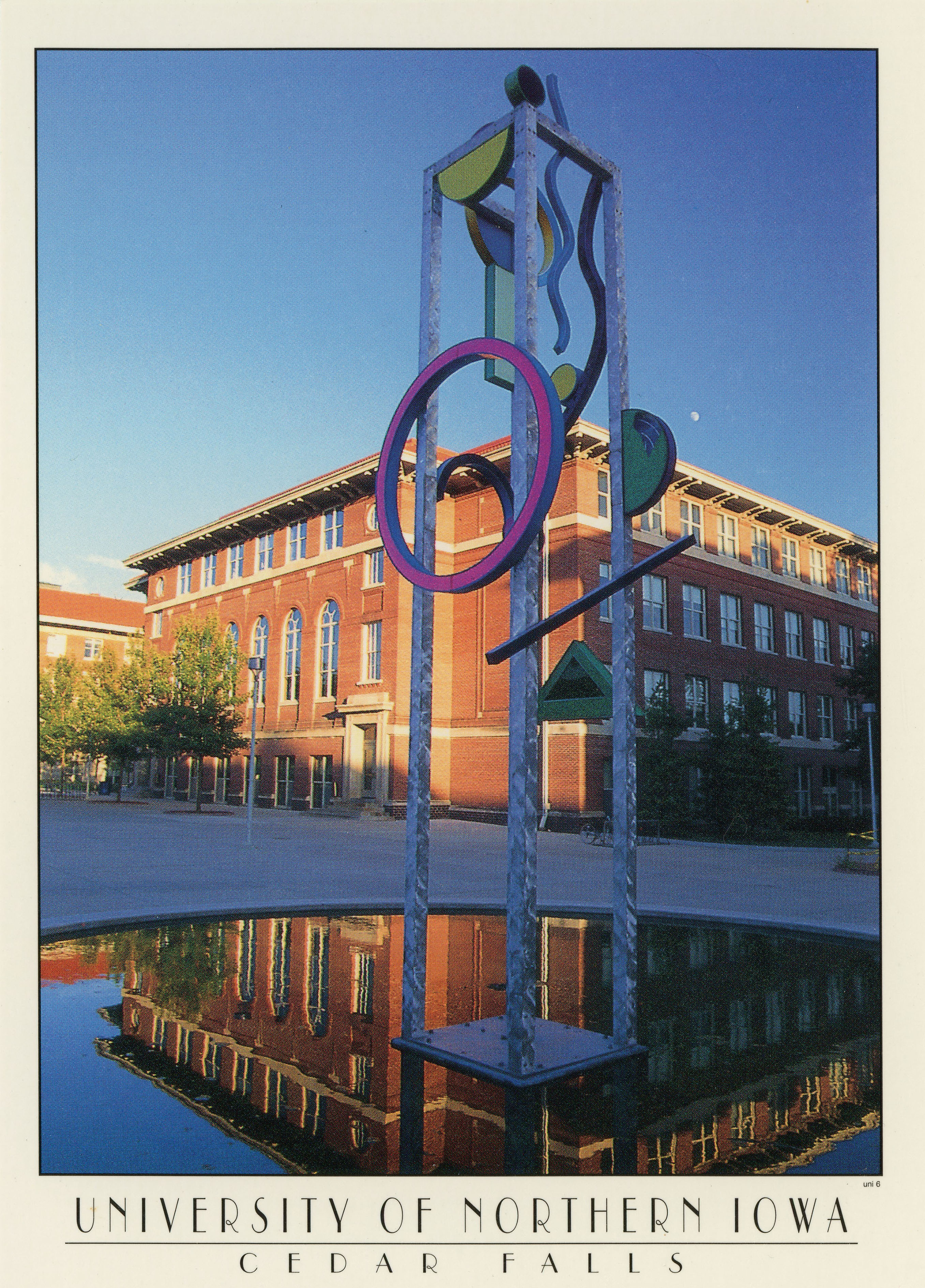
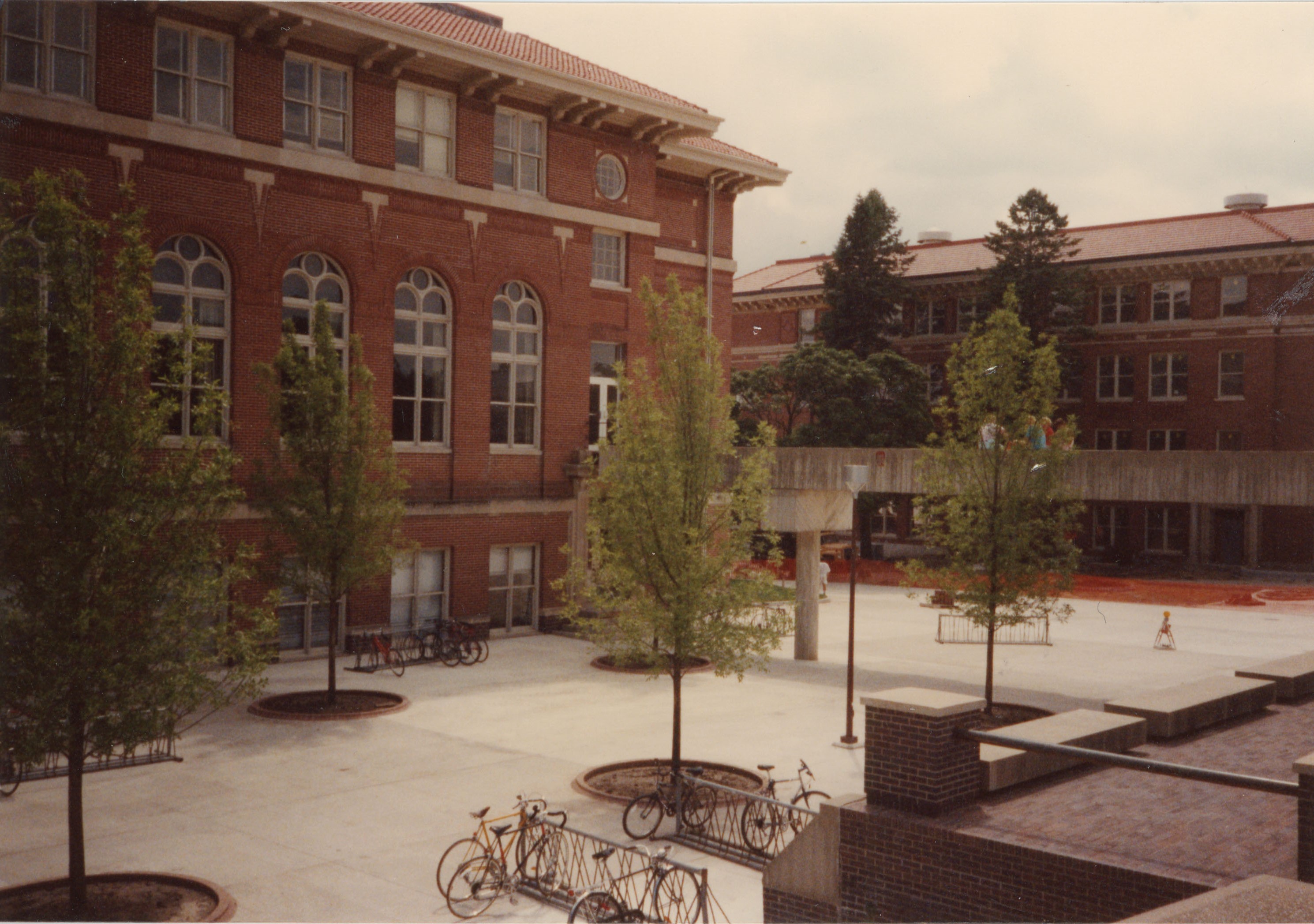
Sabin Hall (1912)
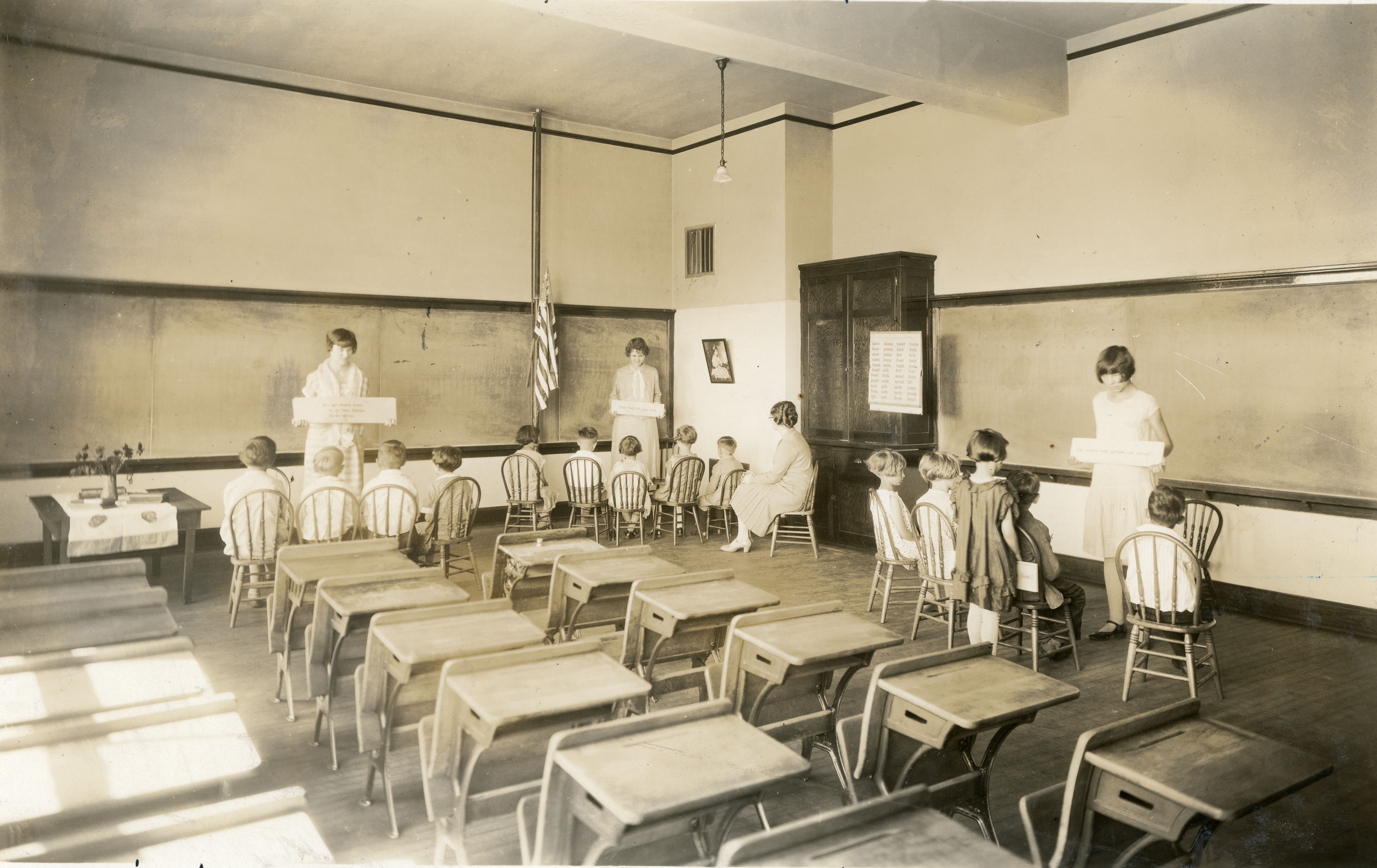
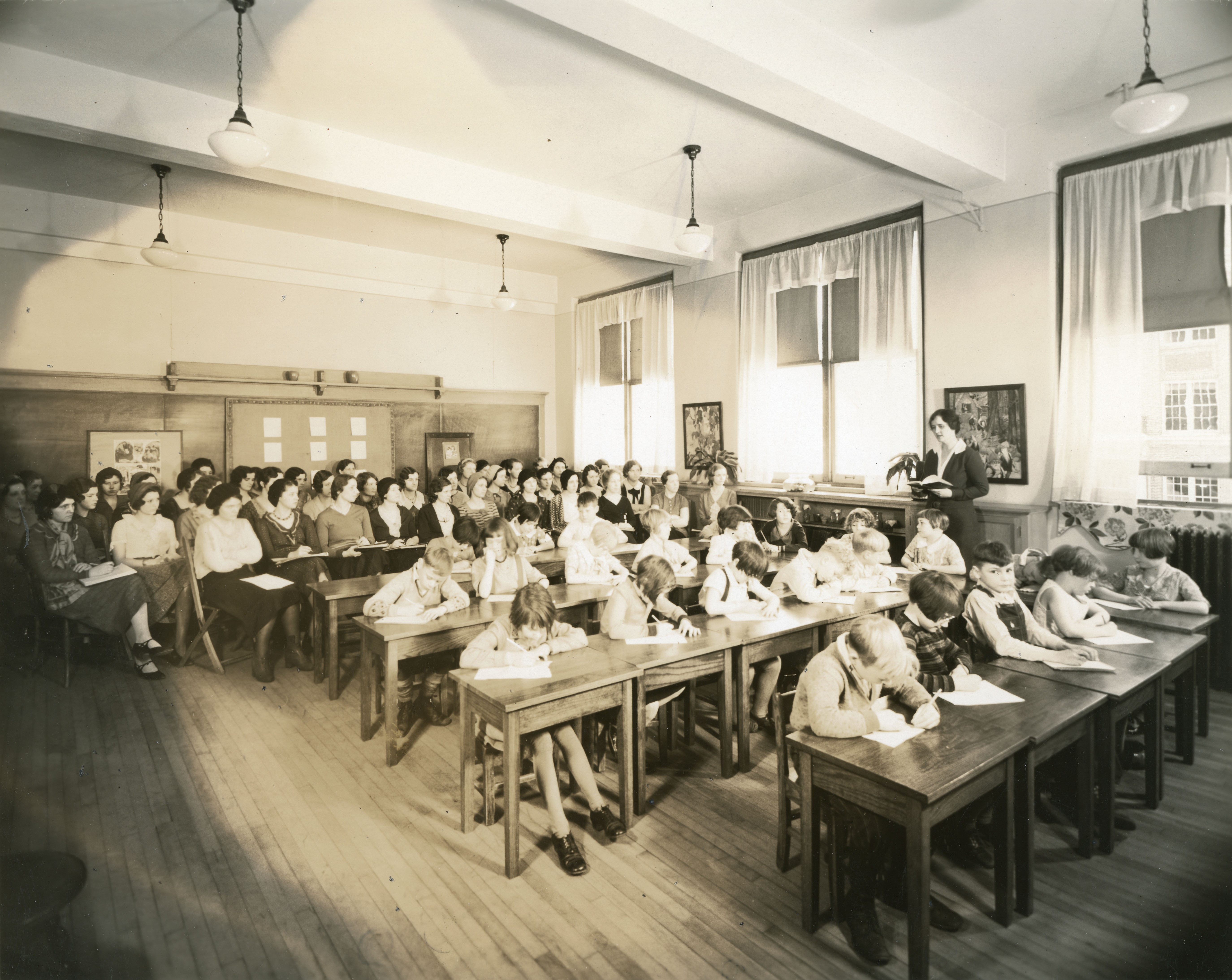
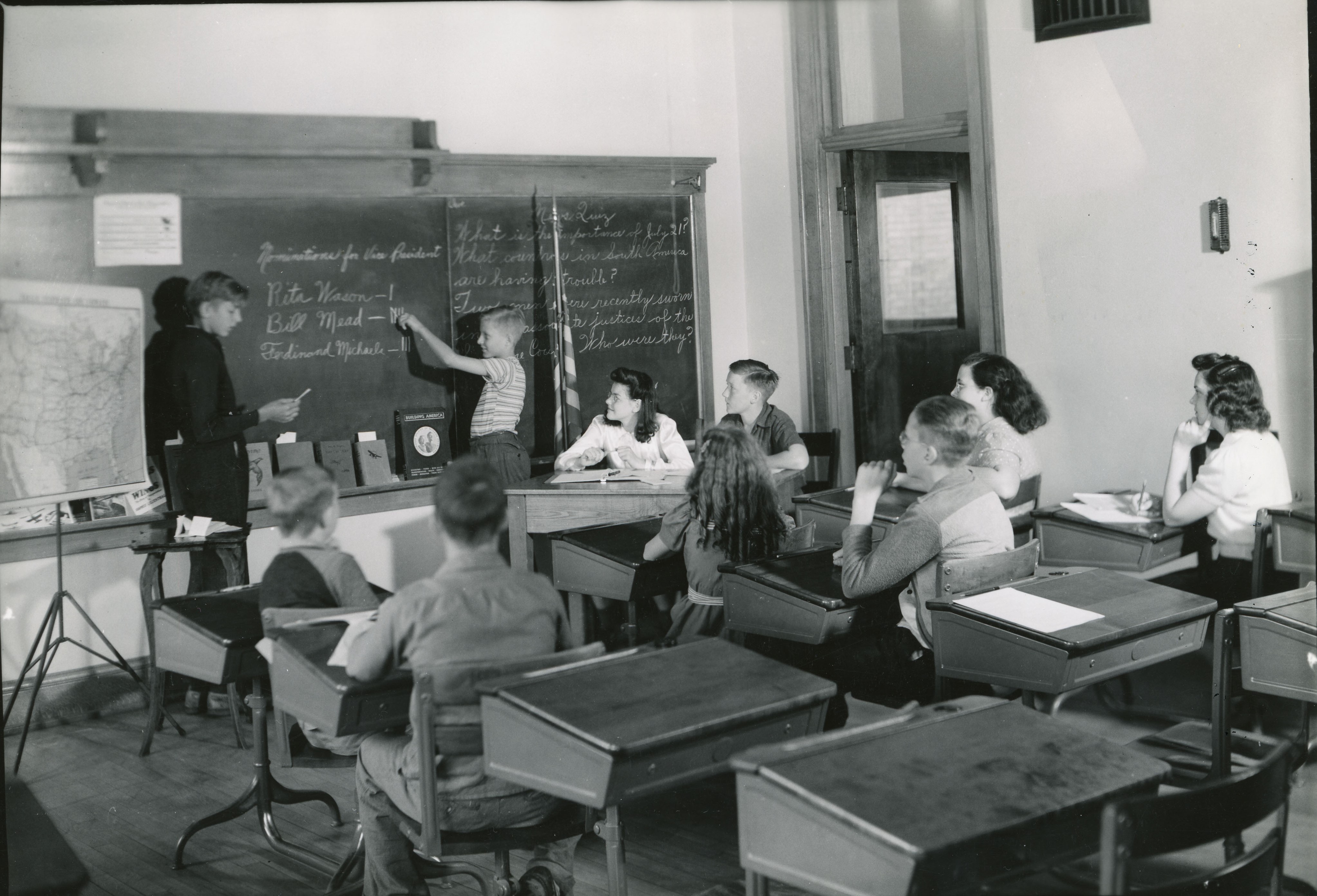
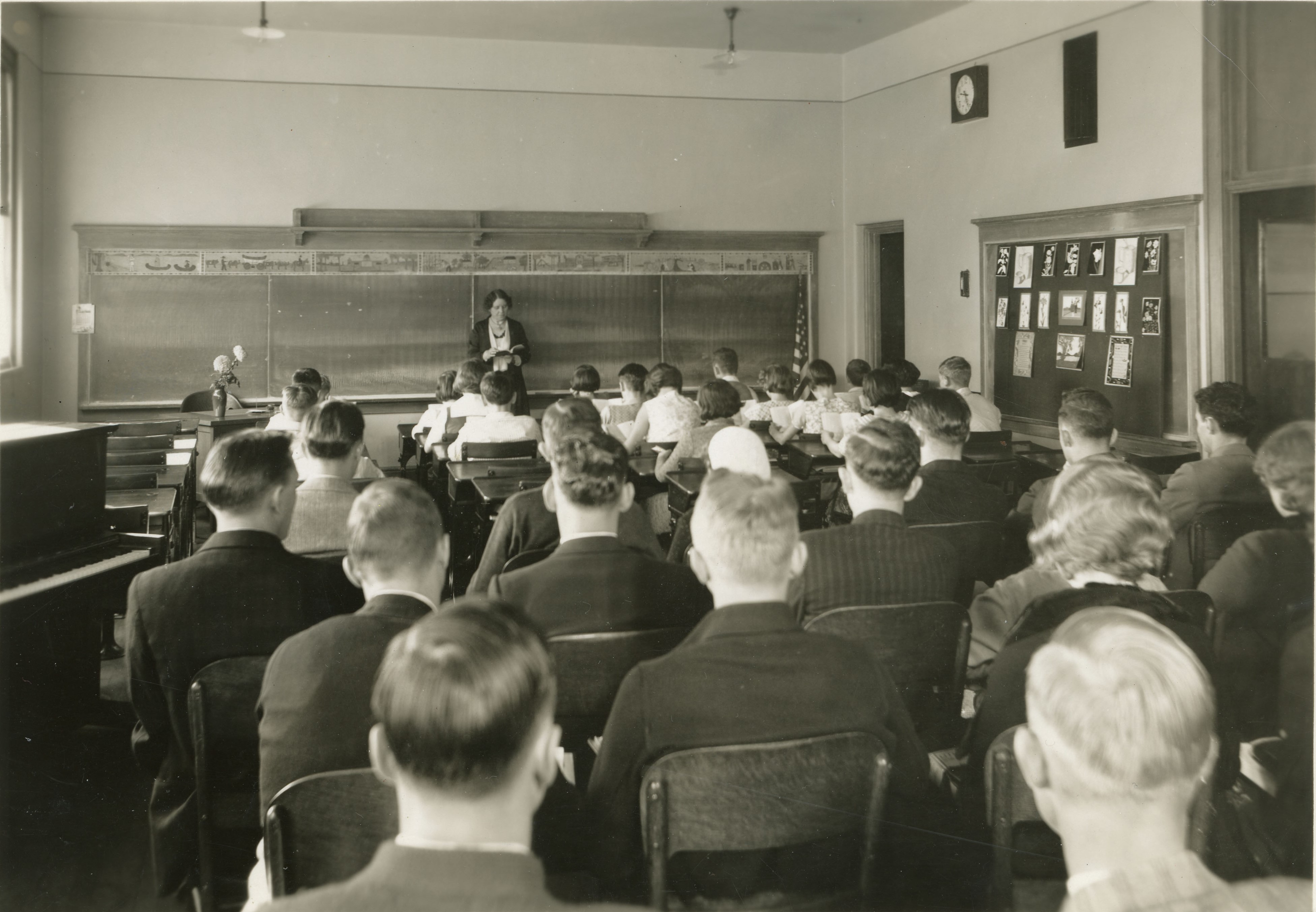
The building now known as Sabin Hall was designed to be the home of the campus training school, a place for children from the community to attend school and college students to do their student teaching. Prior to construction of the Training School Building, these functions had been housed in a number of other campus locations. The renewal of the millage tax by the Iowa General Assembly in 1911 provided funding for the building’s construction. This tax on Iowa real estate financed construction of most of the red brick and limestone buildings on the eastern part of campus in the early 1900s.
Construction began in 1912. Superintendent of Buildings and Grounds James E. Robinson was the architect for the $150,000 project. It was ready for use in January 1914 and dedicated on February 10, 1914. At the dedication ceremony, D. D. Murphy, president of the State Board of Education, praised the new building and said it “...symbolized proper teacher training…." When it opened, the school had about 350 pupils, 25 teachers, and, over the course of the year, about 500 student teachers.
The new building was a significant addition to campus. Its many rooms provided instructional facilities for classes ranging from kindergarten through high school. It included space for manual training, domestic science, physical training, and student teacher demonstration and observation. The auditorium, which held 400 people, was decorated with a copy of a Lucca della Robia frieze, a gift of the Class of 1913. The new building housed a library of 3,000 volumes as well as motion picture equipment, phonographs and a player piano.
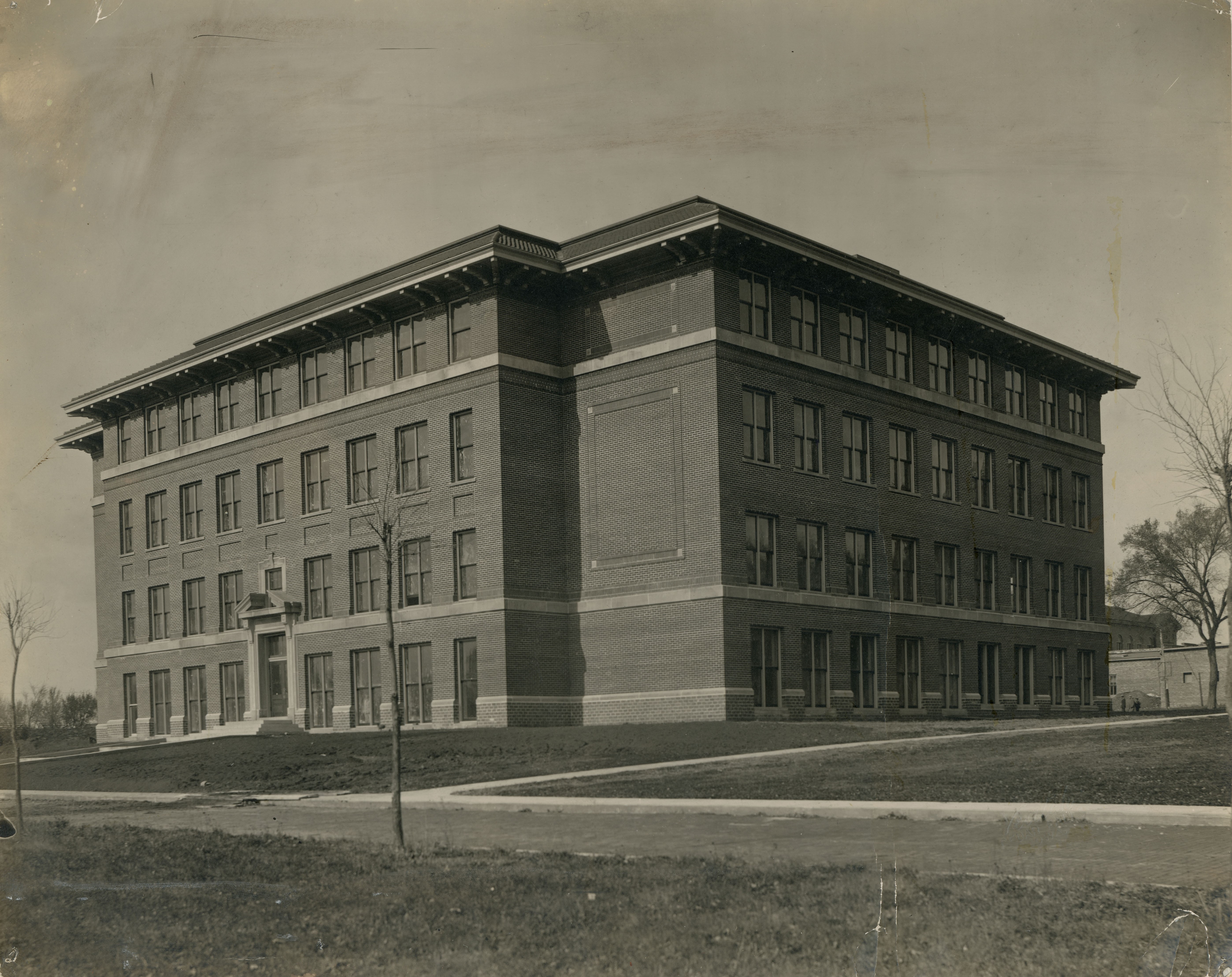
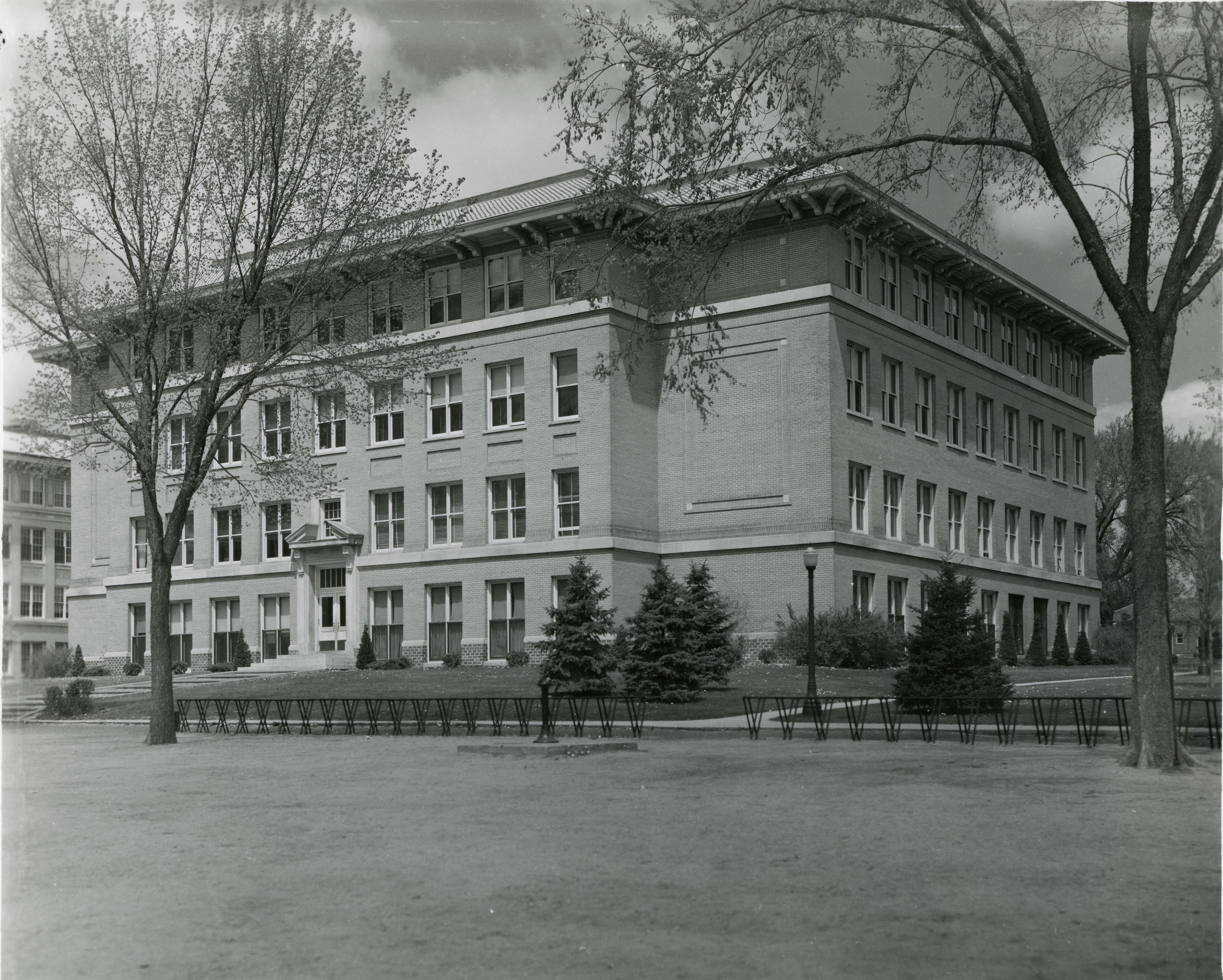
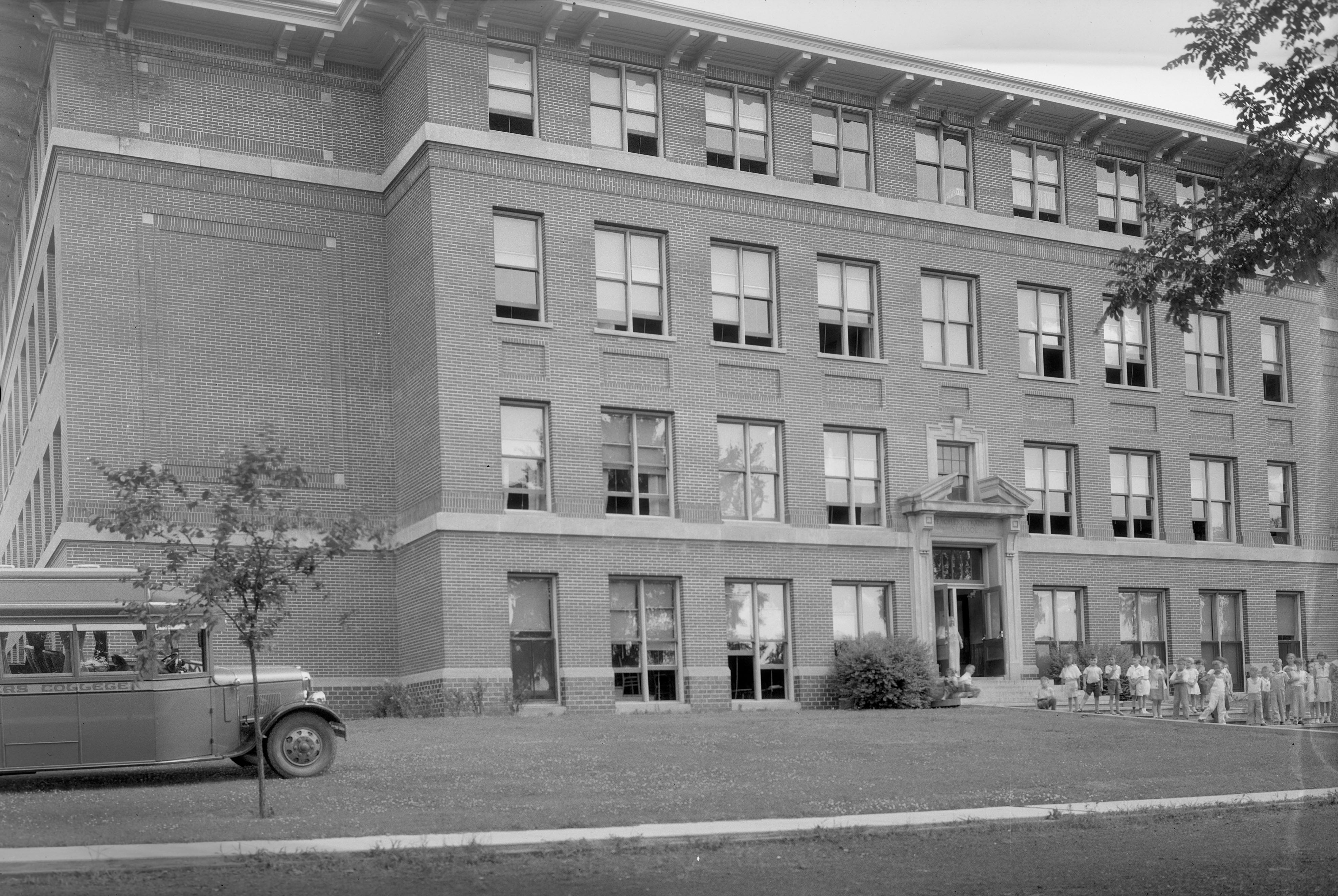
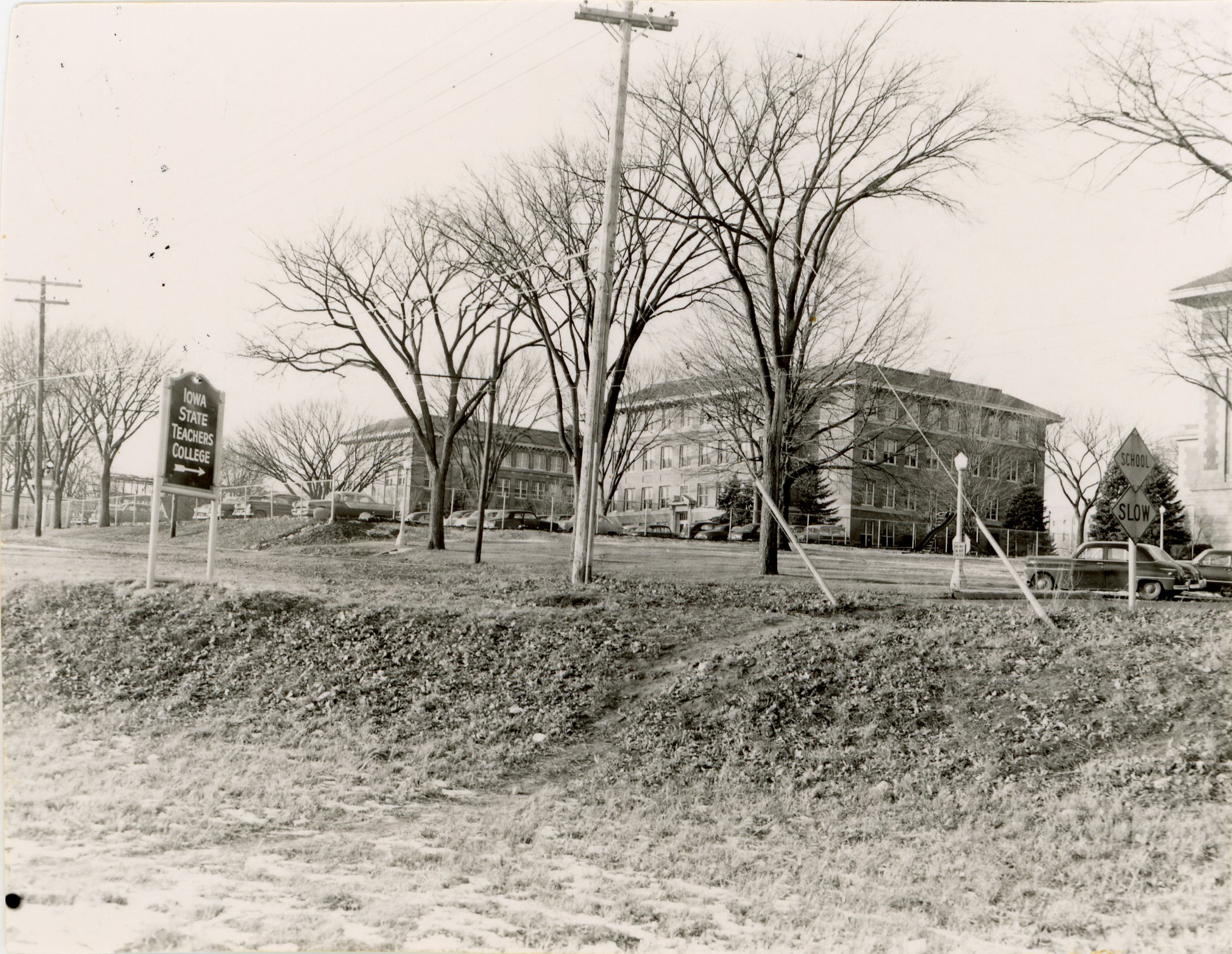
The four-story structure was designed to be a model school building. It was a place where Iowa State Teachers College (now the University of Northern Iowa) students could receive instruction on proper teaching methods and then have opportunities to practice what they had learned in real classrooms under the observation of experienced teachers. Originally known as the Training School, by the 1930s the building was called the Campus School. Once work began on a new campus school in the early 1950s, the building was known briefly as the Old Campus School. On June 17, 1957, it was renamed Henry Sabin Hall.
Henry Sabin served as State Superintendent of Schools from 1888 through 1892 and 1894 through 1898. He also served as ex-officio president of the Iowa State Normal School Board of Directors for those same years. Sabin worked closely with President Homer Seerley to establish the certification of normal school graduates on the basis of training rather than examination; the permanent establishment of the campus training school; and the development of special curricula in teacher training. Sabin was instrumental in securing funds for the buildings now known as Lang Hall, the Innovative Teaching and Training Center, Begeman Hall, the President's House, Seerley Hall, Wright Hall, and his namesake building.
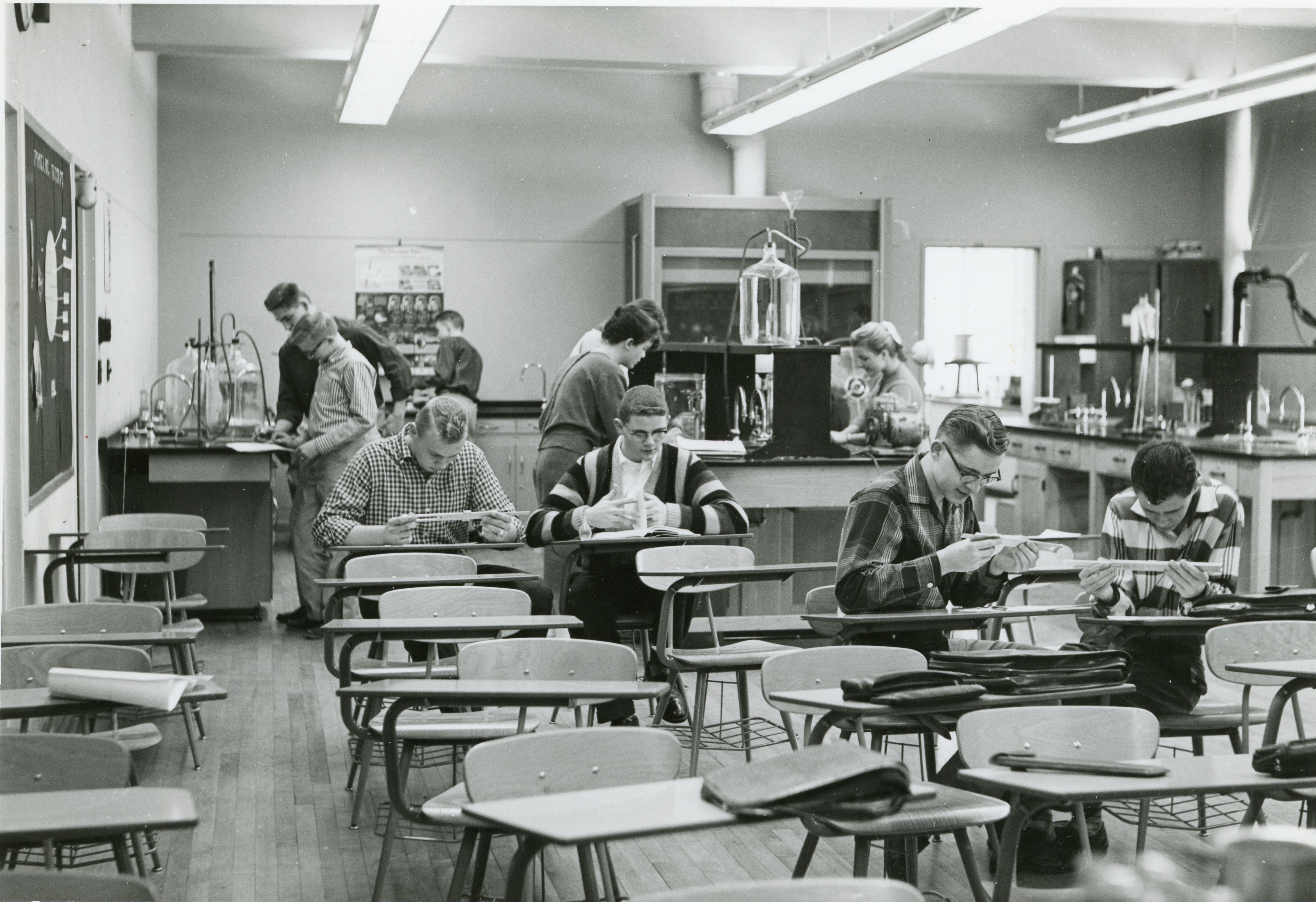
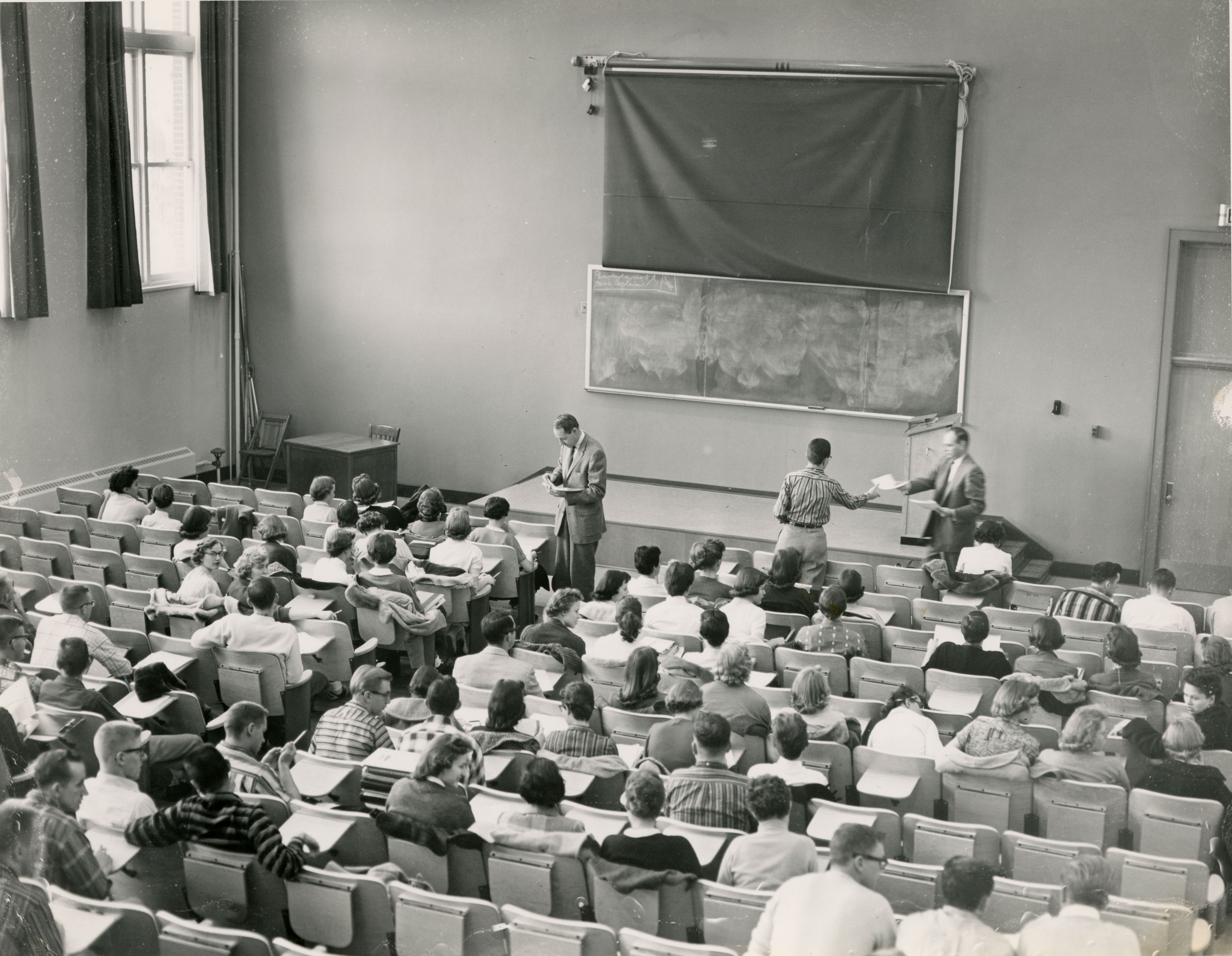
Sabin Hall served as a school and student teacher training facility for over 40 years. However, as early as the end of World War II, college officials looked toward a new school and training building. While the building was structurally sound, it could no longer serve as a model for modern school arrangement and management. Sufficient funding materialized in 1950 to begin work on the new facility which would become the Price Laboratory School. The elementary unit of the new school was completed on August 10, 1953, and the elementary students and teachers moved out of the Old Campus School. The high school students continued to use the building until the secondary unit of the lab school was completed in 1955.
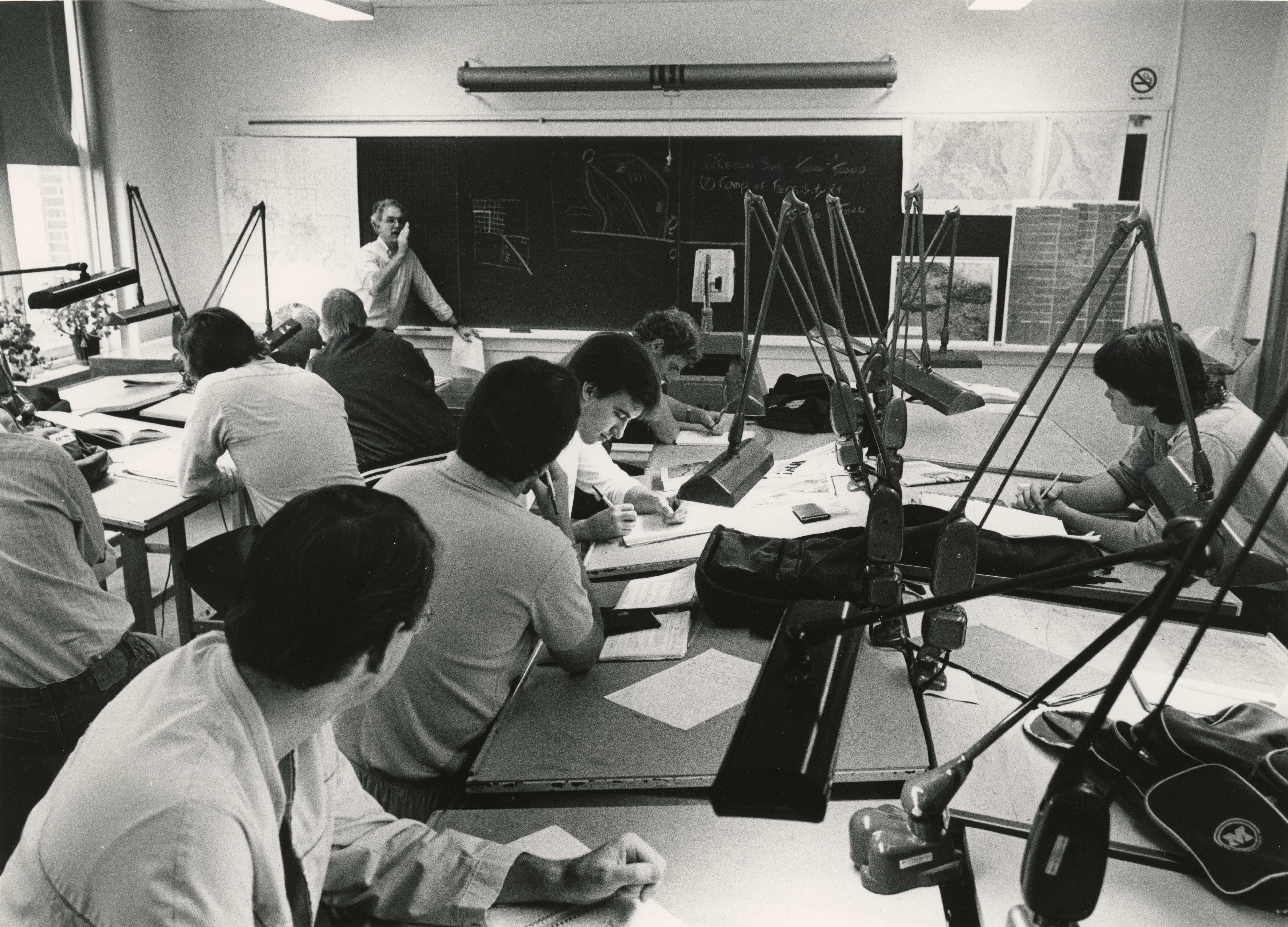
After the last of the students moved out of Sabin Hall in 1955, the Social Science Department moved into the third and part of the second floors, and part of the Science Department moved into the remaining area on the second floor. In 1956, after remodeling was complete, the Department of Business Education moved into the first and basement floors.
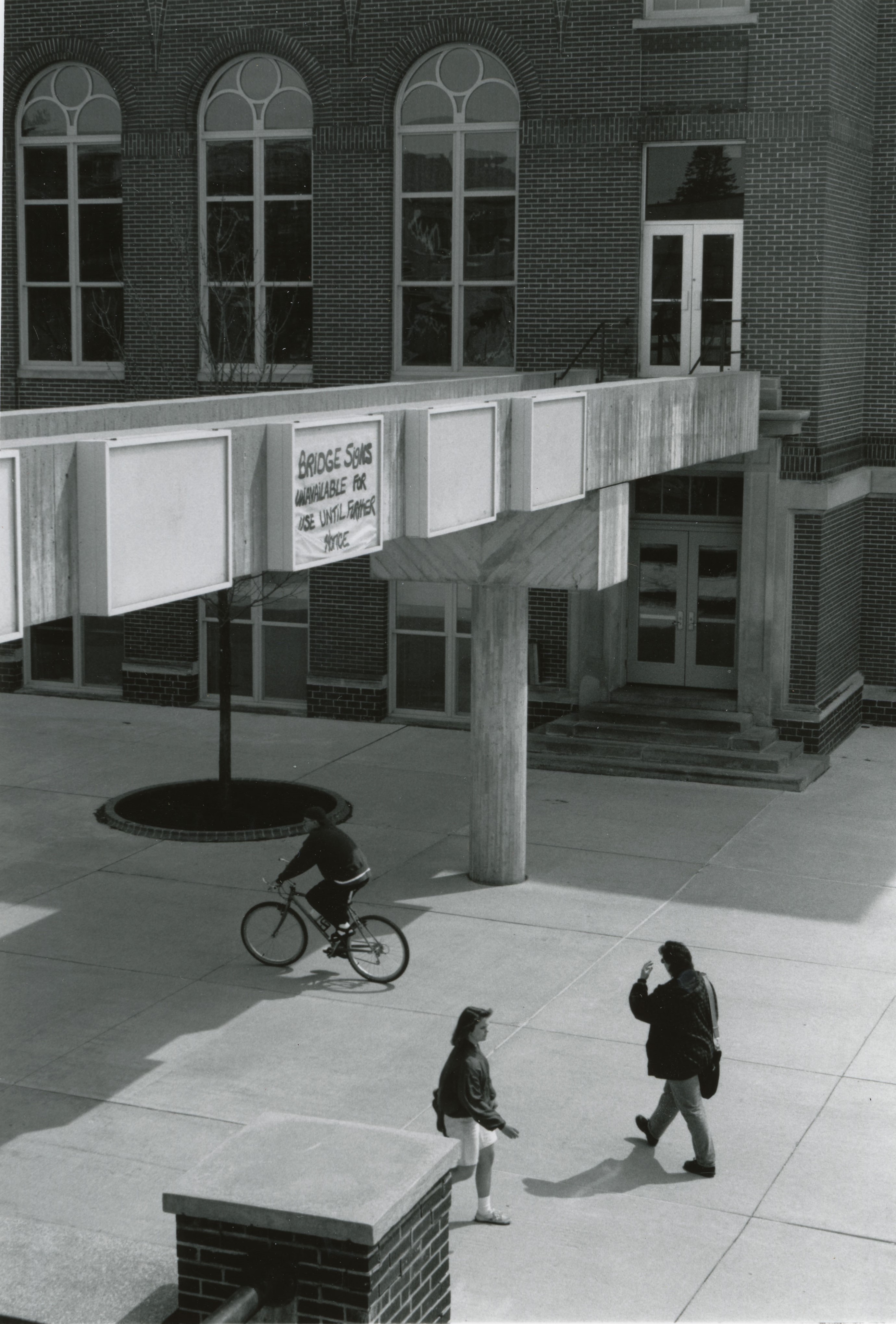
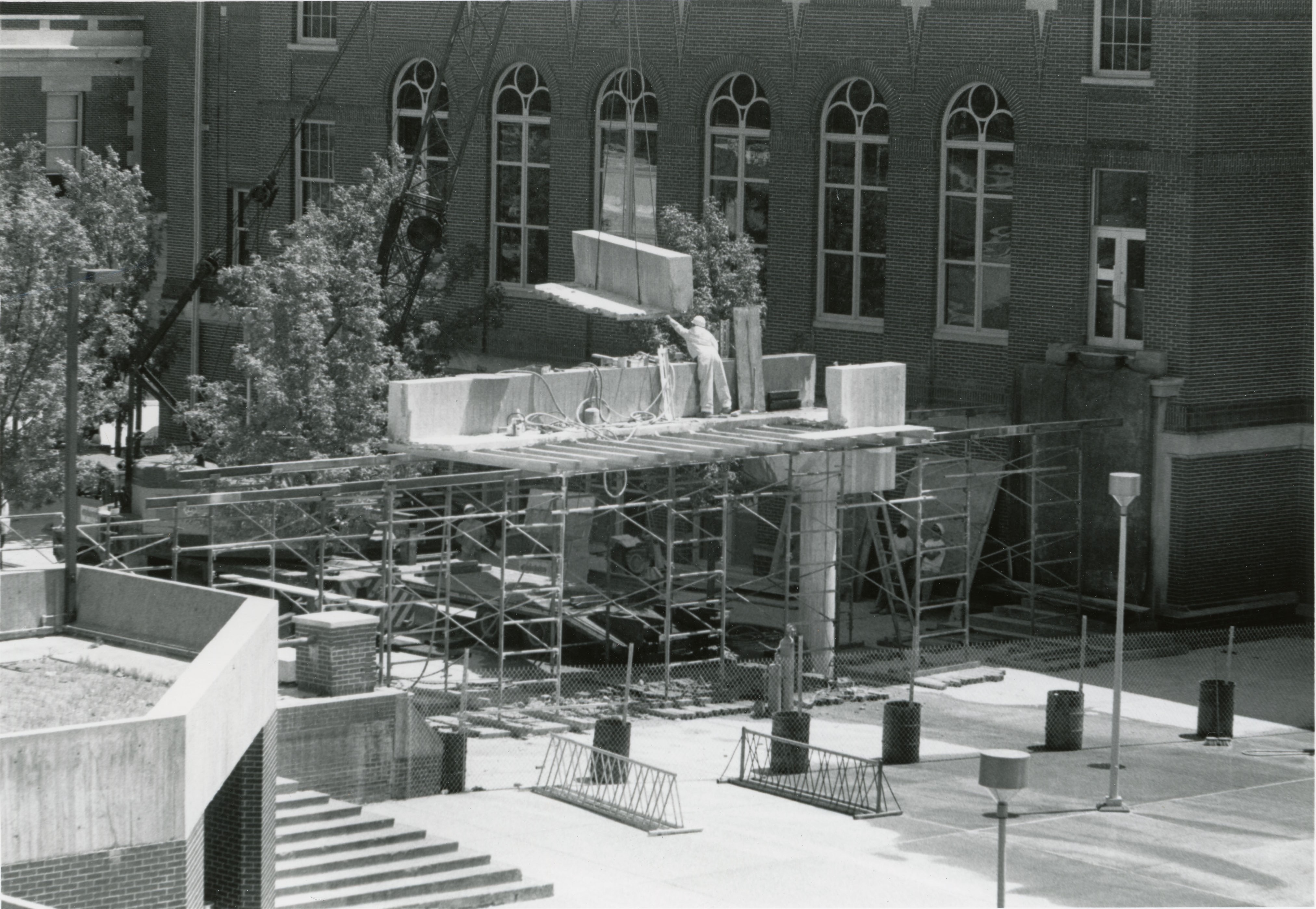
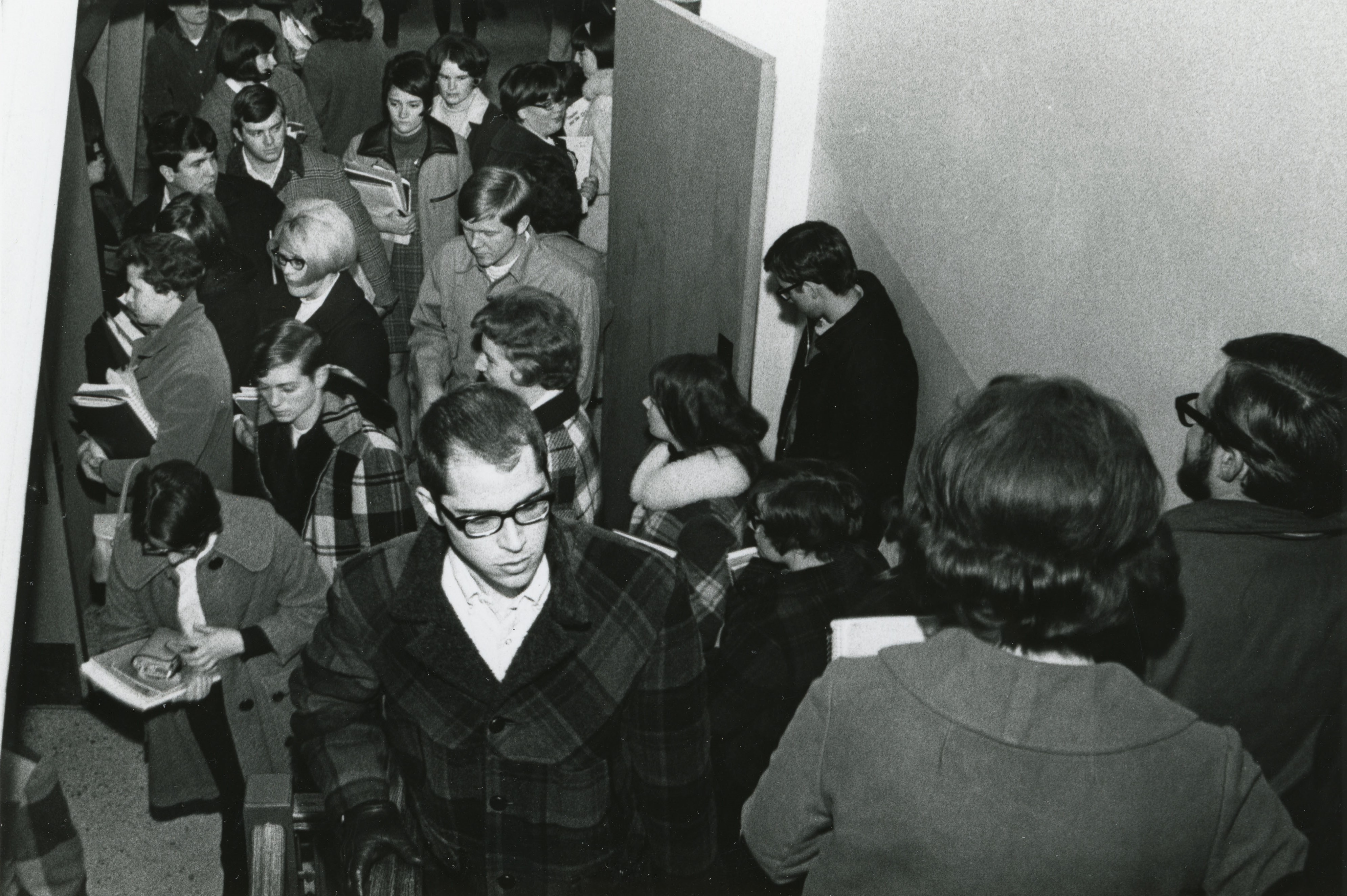
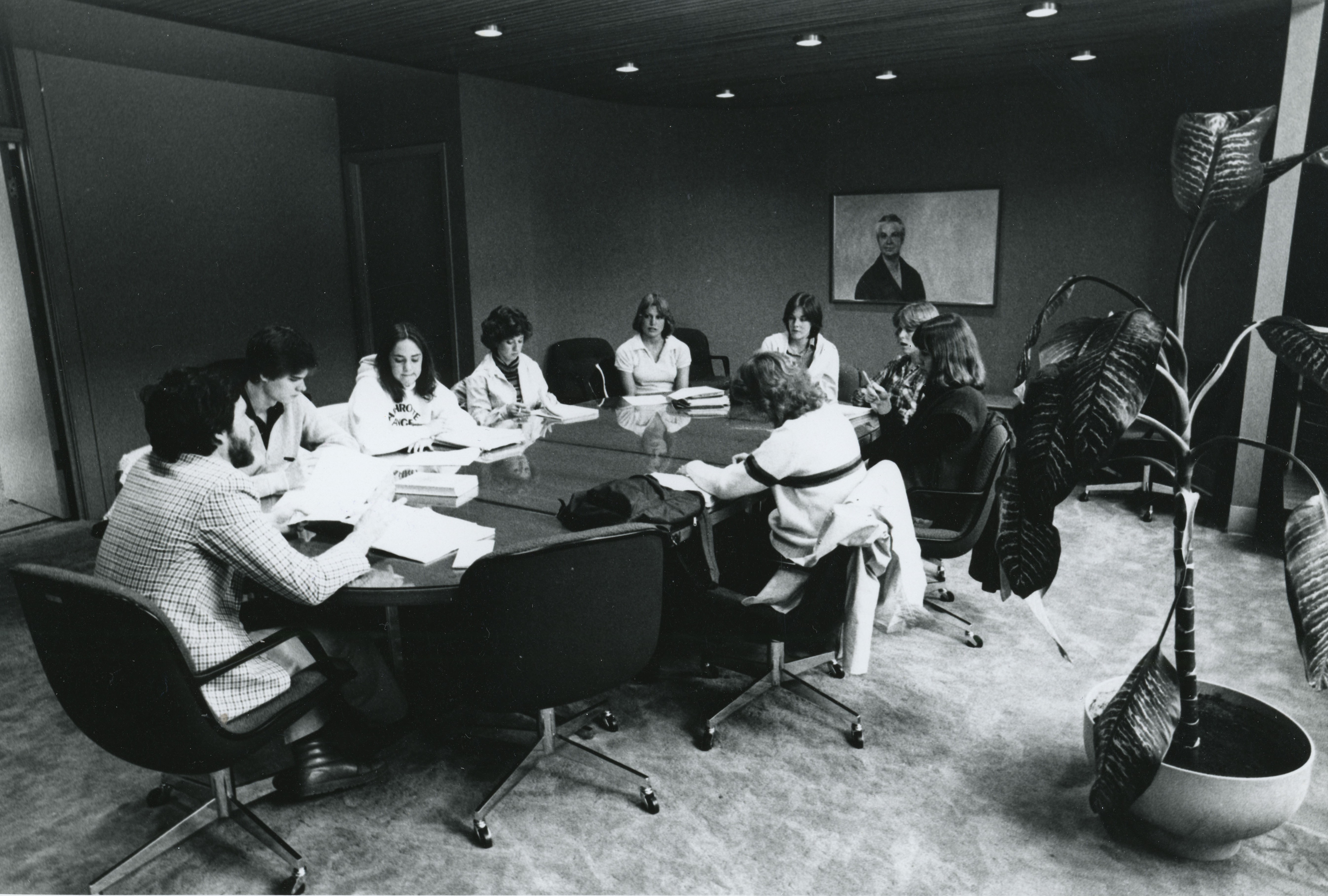
Sabin Hall has undergone several major remodeling projects. One took place in the late 1940s and early 1950s. Another remodel in 1968, had a budget of $424,000 and replaced the heating and cooling system, added an elevator, upgraded electrical wiring, made other repairs, and added a new conference room and 10 offices. To relieve congestion at Sabin Hall's northwest door, a second story walkway was completed between Maucker Union and Sabin Hall. It was removed during repairs and renovations to the Maucker Union roof and plaza in 1995.
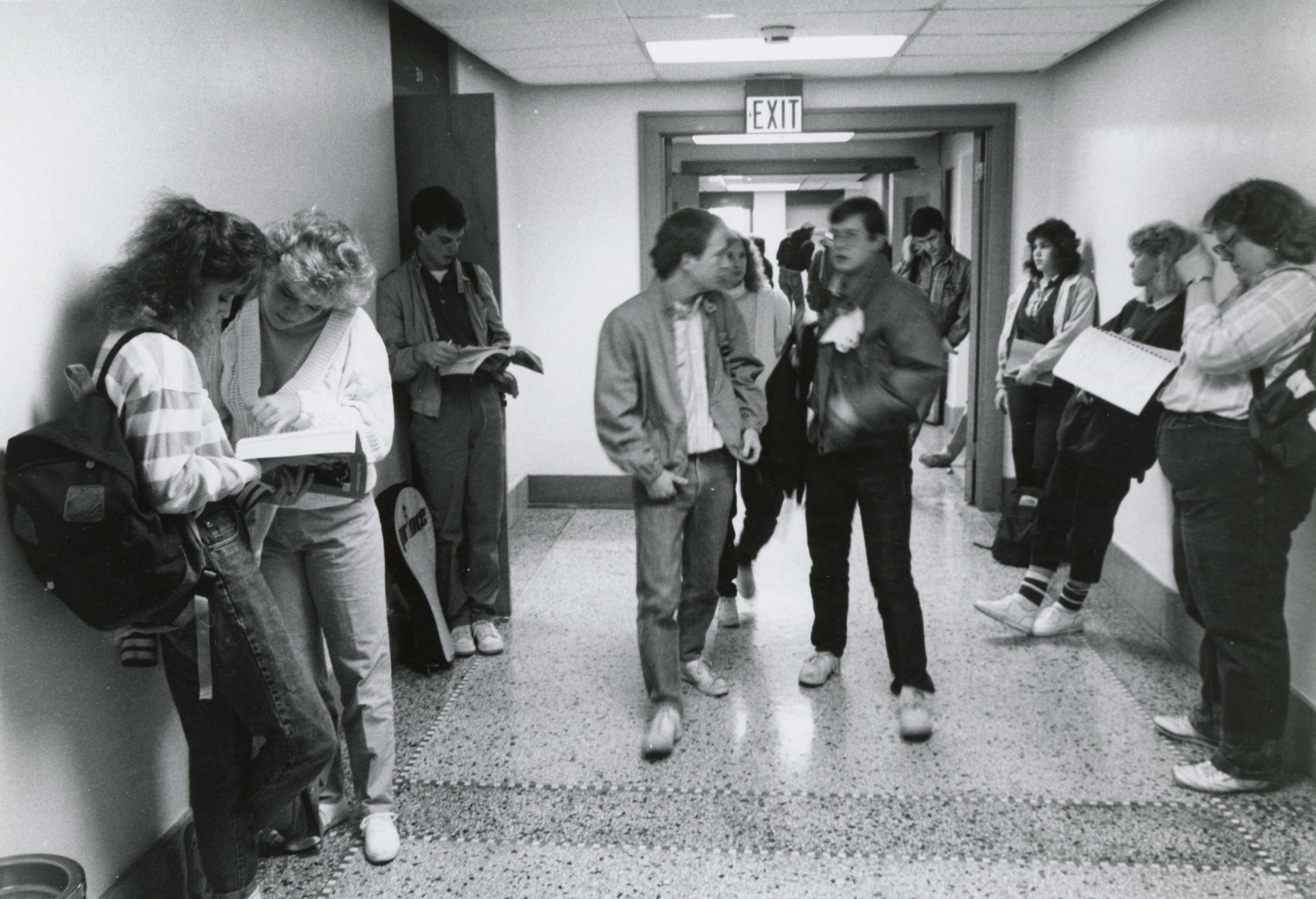
In 1969, the Studio Theatre in Sabin Hall was remodeled and opened with a production of Blithe Spirit under the direction of Professor Stanley Wood. Ten years later, after the construction of Strayer-Wood Theatre, the Regents approved a $120,000 project to convert the old Sabin Studio Theatre into space for the Department of Economics. Reconstruction took place in 1983. In the mid-1980s, Sabin Hall received roof improvements. A summer 1994 project included new windows and some new doors. In addition, the building was connected to the campus computer network. Sabin Hall housed offices and classrooms of the College of Social and Behavioral Sciences, and the Departments of Political Science and Geography. But, due to its age, the building was placed on the university's five year list of possible capital projects for a $9.3 million renovation.
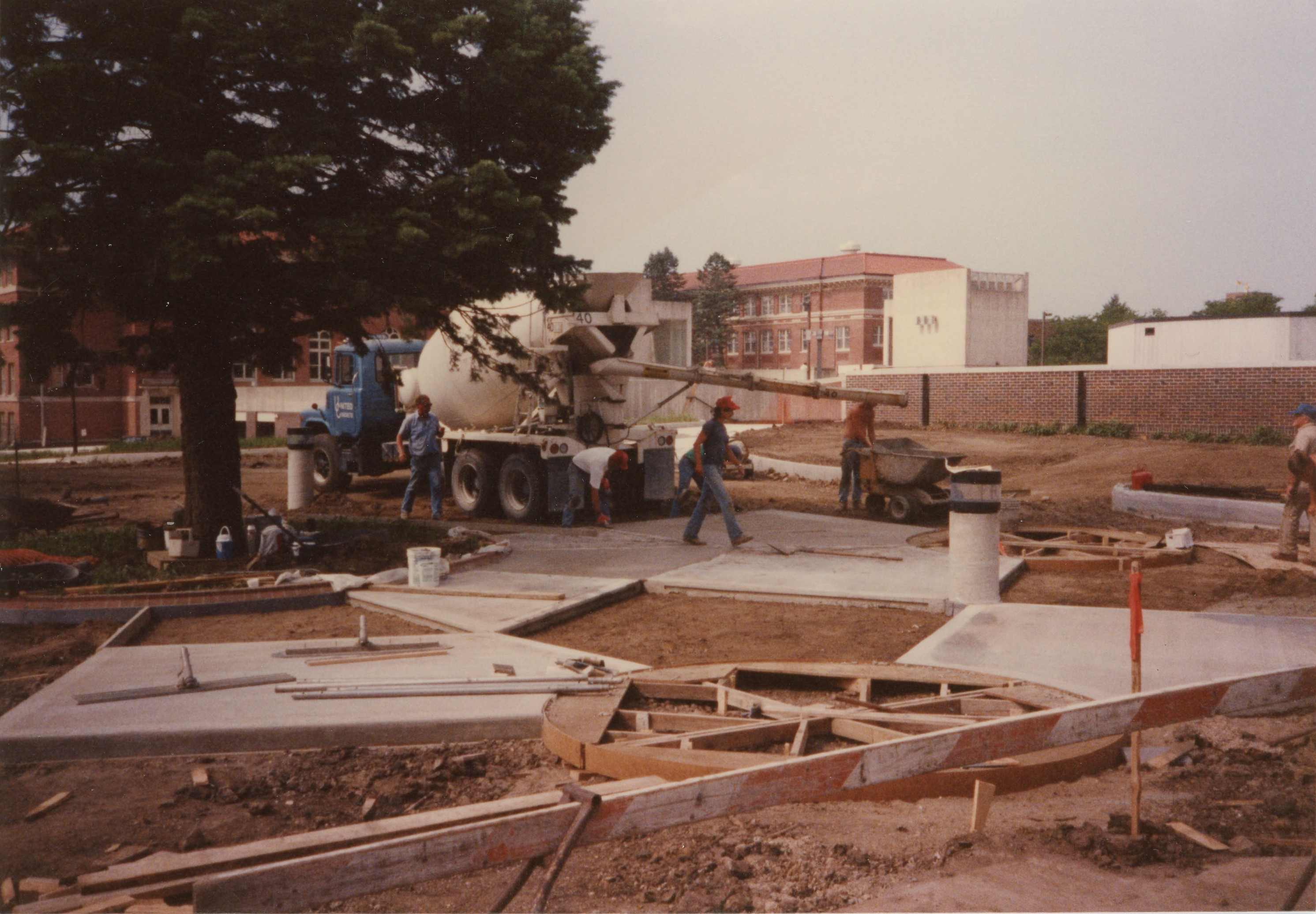
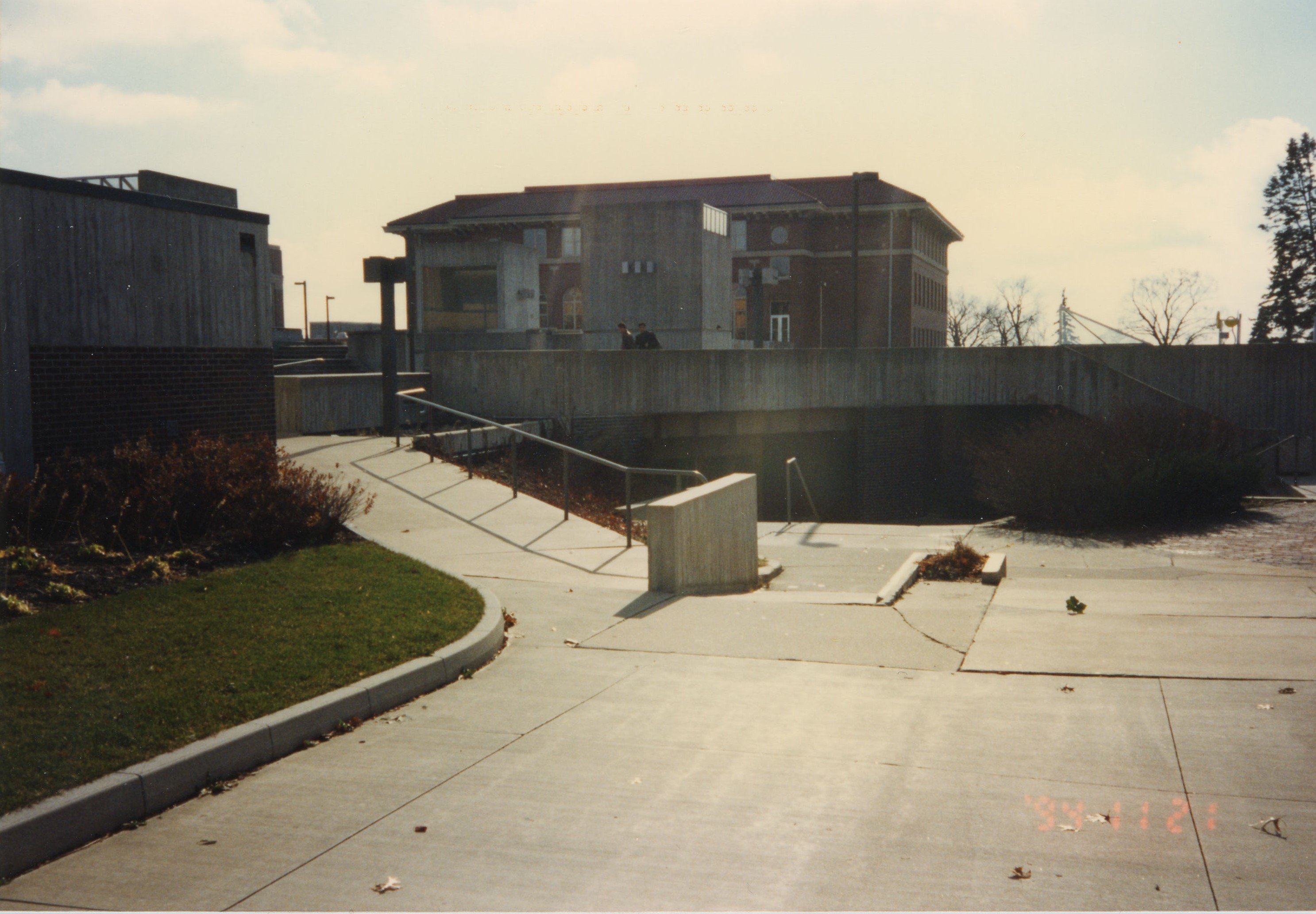
In March 2008, the Board of Regents approved academic revenue bonding to begin the renovation of Sabin Hall. Architects and consultants began working on plans scheduled to go out for bid in spring 2009. The project was scheduled to last about 18 months. Associate Vice President for Facilities and Planning Morris Mikkelsen stated the renovation design would aim at energy conservation and sustainability in hopes the building would qualify under the Leadership in Energy and Environmental Design Green Building Rating System. Sabin Hall would be the first campus building to be certified under this system.
Sabin Hall was closed for reconstruction after the fall 2008 semester. Units formerly housed in Sabin Hall transferred operations to other campus buildings. Brooks Borg Skiles Architecture Engineering LLC, a successor to original designers Proudfoot, Bird, and Rawson, developed plans for the renovation. After the building was cleared, demolition and reconstruction began in May 2009. Lead contractors included Larson Construction Company, Nikkel and Associates, and Young Plumbing and Heating Company.
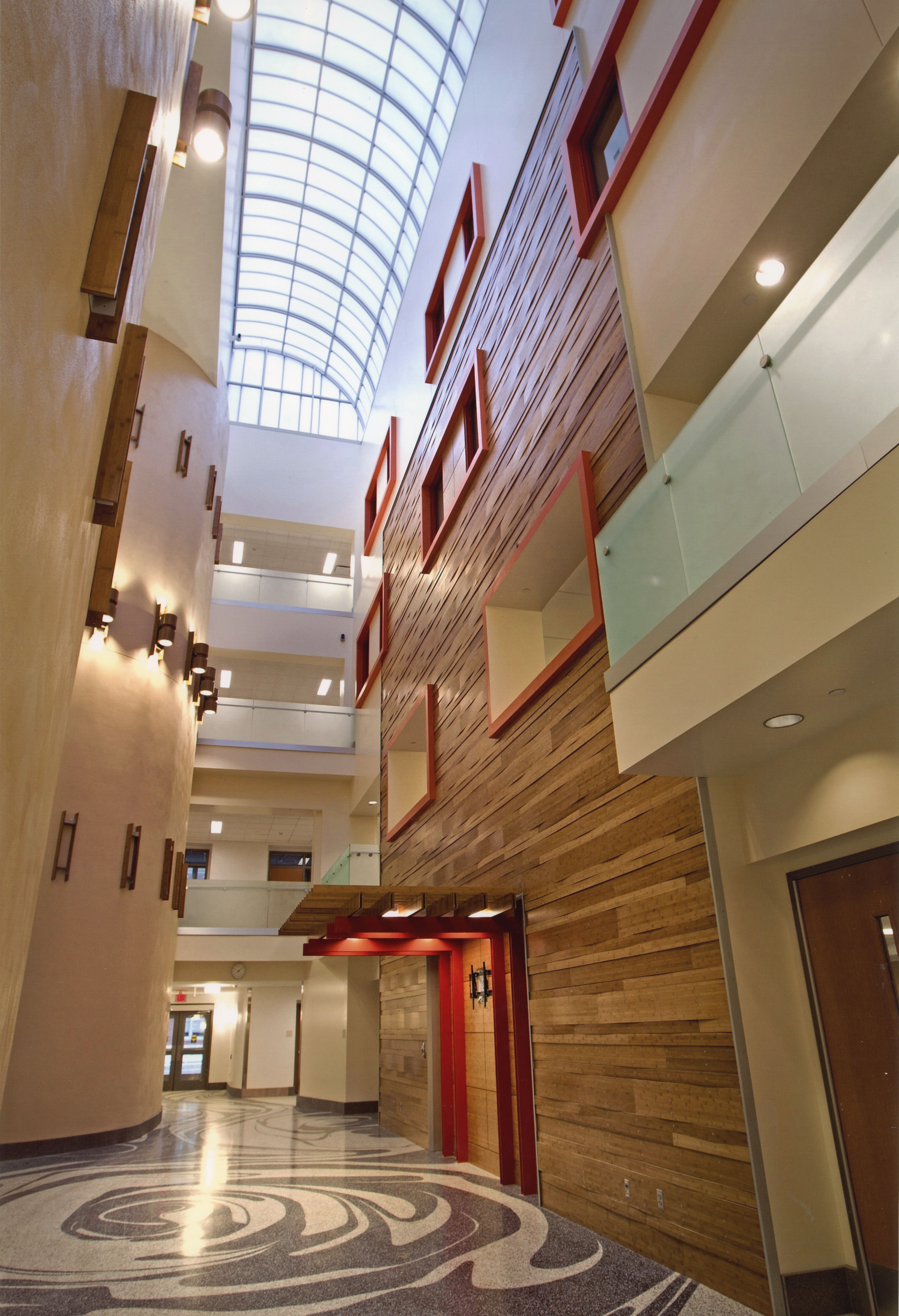
Designs were focused on sustainability. They enhanced access to natural light, and contractors reconditioned and re-used furniture, doors, chalkboards, and wood trim in use prior to the renovation. New plumbing reduced water use. New mechanical systems improved the comfort and quality of indoor air. The designers acquired necessary new material from sources as close to campus as possible. The renovation also allowed designers to meet enhanced life safety codes.
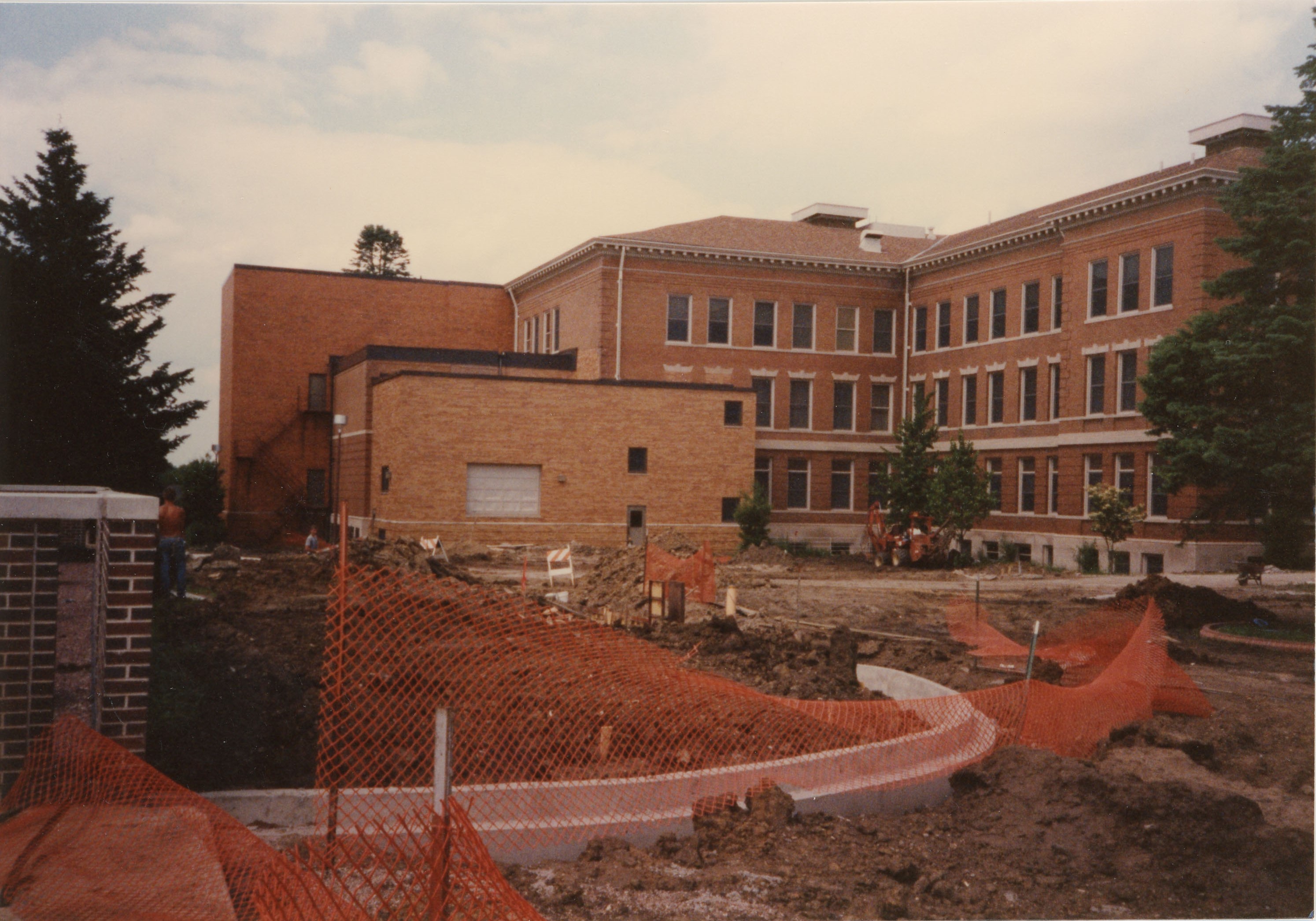
Work neared completion by the end of 2010, although crews were still conducting finishing work into the first weeks of 2011. Office units from the College of Social and Behavioral Sciences began moving back to Sabin Hall in December 2010. Classes resumed in the building at the beginning of the spring 2011 semester. Landscaping and sidewalk work continued through summer 2011.
Sabin Hall was re-dedicated on September 23, 2011, with a program of speakers and a reception. Featured speakers included Dean Phlip Mauceri, President Benjamin Allen, and representatives of the Governor, the Regents, the university faculty, the students, and College of Social and Behavioral Sciences alumni. The re-dedication program brochure noted the renovated building served as the primary instructional facility for the College of Social and Behavioral Sciences. Sabin Hall has about 700 classroom seats, a large lecture hall, computer facilities, and offices for faculty and staff.
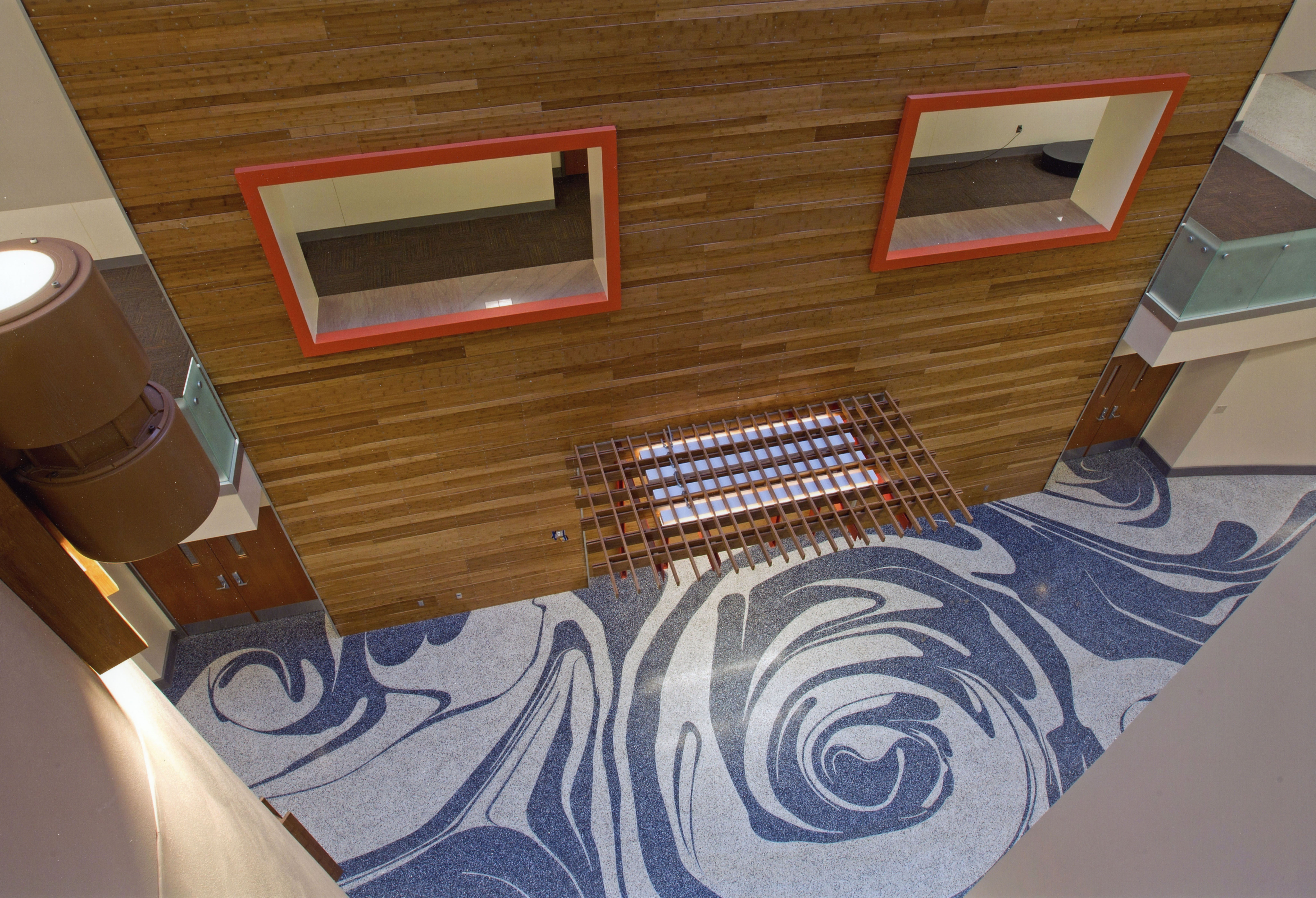
Lynn Basa produced artwork for the renovated building. It includes a terrazzo floor design entitled Coursing Through Life in the new atrium. The artist stated in the re-dedication program, "For public work, I research the site and what the stakeholder's vision is and try to interpret it through my aesthetic lens to make something that both their public and I can feel good about." The artist used recycled glass and mirror, mother of pearl, and white marble to create a swirling design. The work covers over 1,000 square feet.
Compiled by Special Collections Library Assistant Susan Witthoft; edited by University Archivist Gerald L. Peterson, July 1996; substantially revised by Gerald L. Peterson, with research assistance by Student Assistant Jen Carlson and scanning by Special Collections Library Assistant Gail Briddle, April 2004; substantially revised by Gerald L. Peterson, January 14, 2011; updated September 30, 2011 (GP); photos and citation updated by Graduate Assistant Eliza Mussmann March 30, 2023; content revised by Library Assistant Hannah Bernhard, February 2026.