
Sunset Village (1946)
At the end of World War II, large numbers of veterans started or continued college with the help of the GI Bill®, including at the Iowa State Teachers College (now University of Northern Iowa). Many were married with families. The college anticipated their need for housing, but the Iowa Attorney General ruled the State Board of Education (now the Board of Regents) did not have the authority to provide housing for married students and their families. The Attorney General later reversed this decision, but it caused delays in readily available housing.
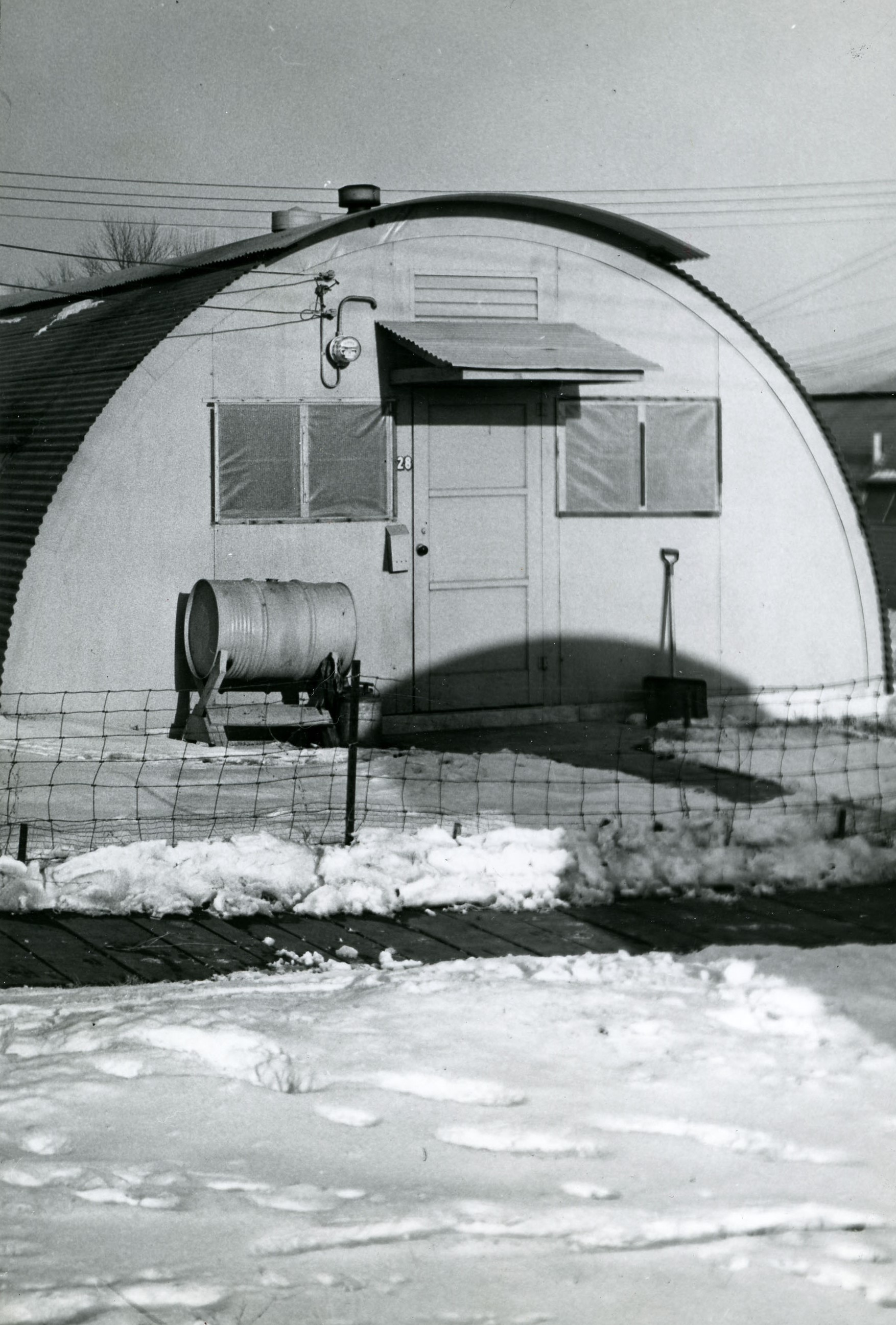
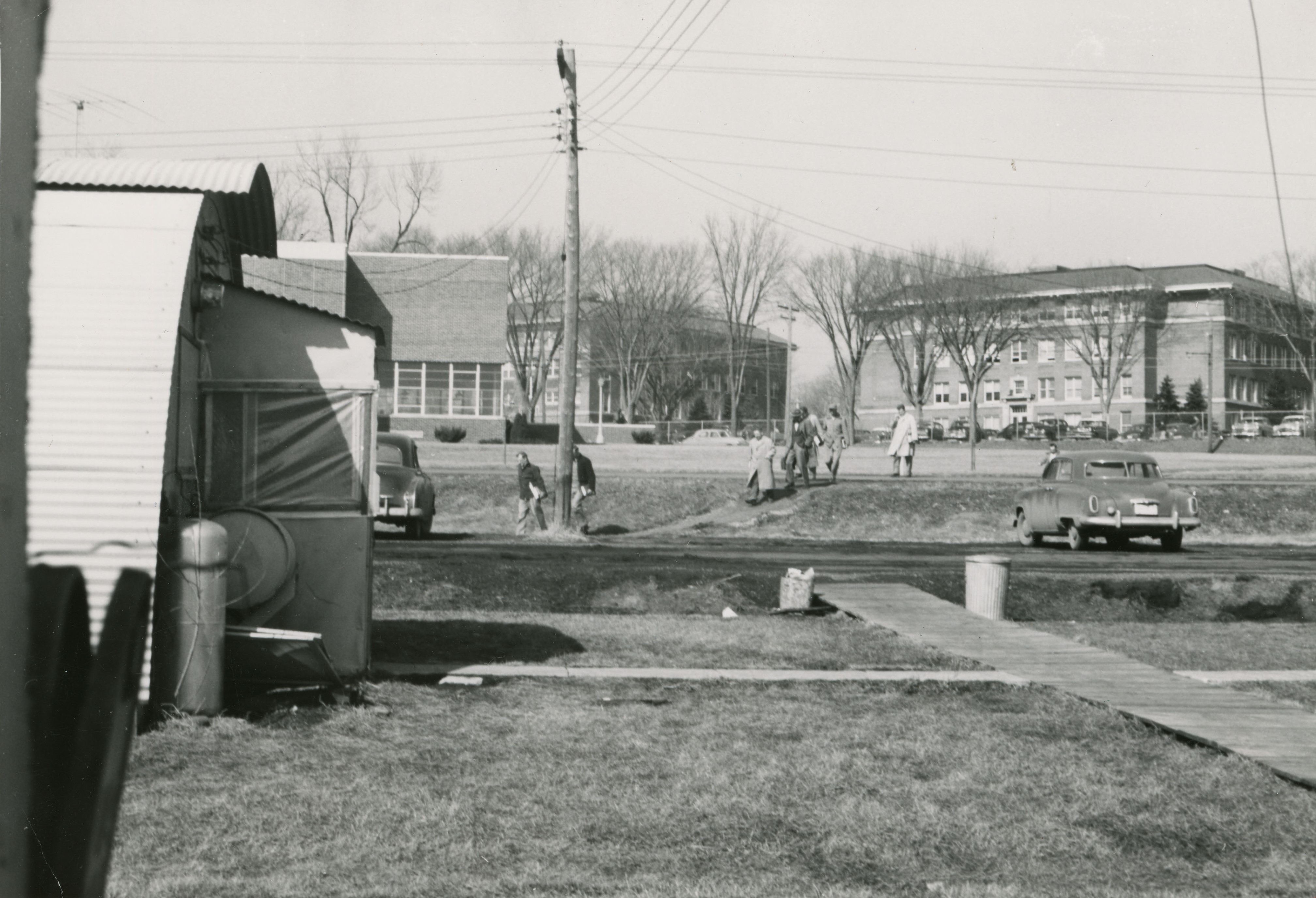
Consequently, President Malcolm Price was unable to make arrangements with the Federal Public Housing Authority until spring 1946. They then shipped surplus Quonset huts and metal-sided rectangular barracks buildings to campus. Although the housing units were free, the college invested $40,000 in infrastructure such as water and sewer lines, roads, electrical power and concrete slab foundations. The initial shipment of 18 Quonset huts came from Oregon and by 1947, a total of 72 buildings had arrived on campus.
The buildings were approximately 48 x 20 feet. Each was divided into two apartments with a living room, kitchenette and two bedrooms. Kucharo Construction Company of Des Moines was in charge of erecting the buildings. All units were intended for married veterans. While these veterans were mostly students, a few married veteran faculty members lived there until they could locate more permanent housing. The buildings were meant to be temporary, with an anticipated life of about five years. The site for the buildings was a 47-acre tract, acquired by the college in 1941, near the site of the current Industrial Technology Center parking lot.
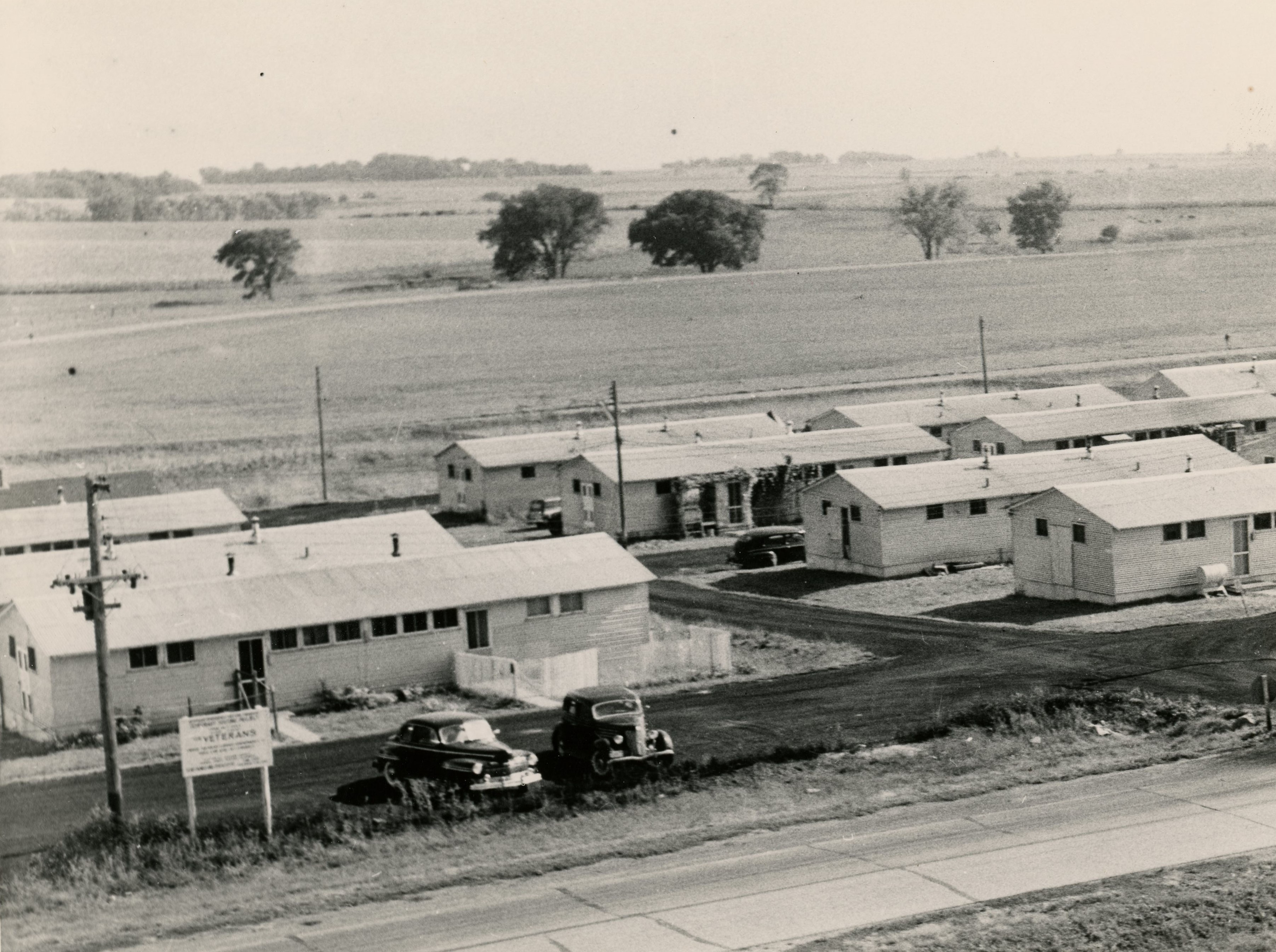
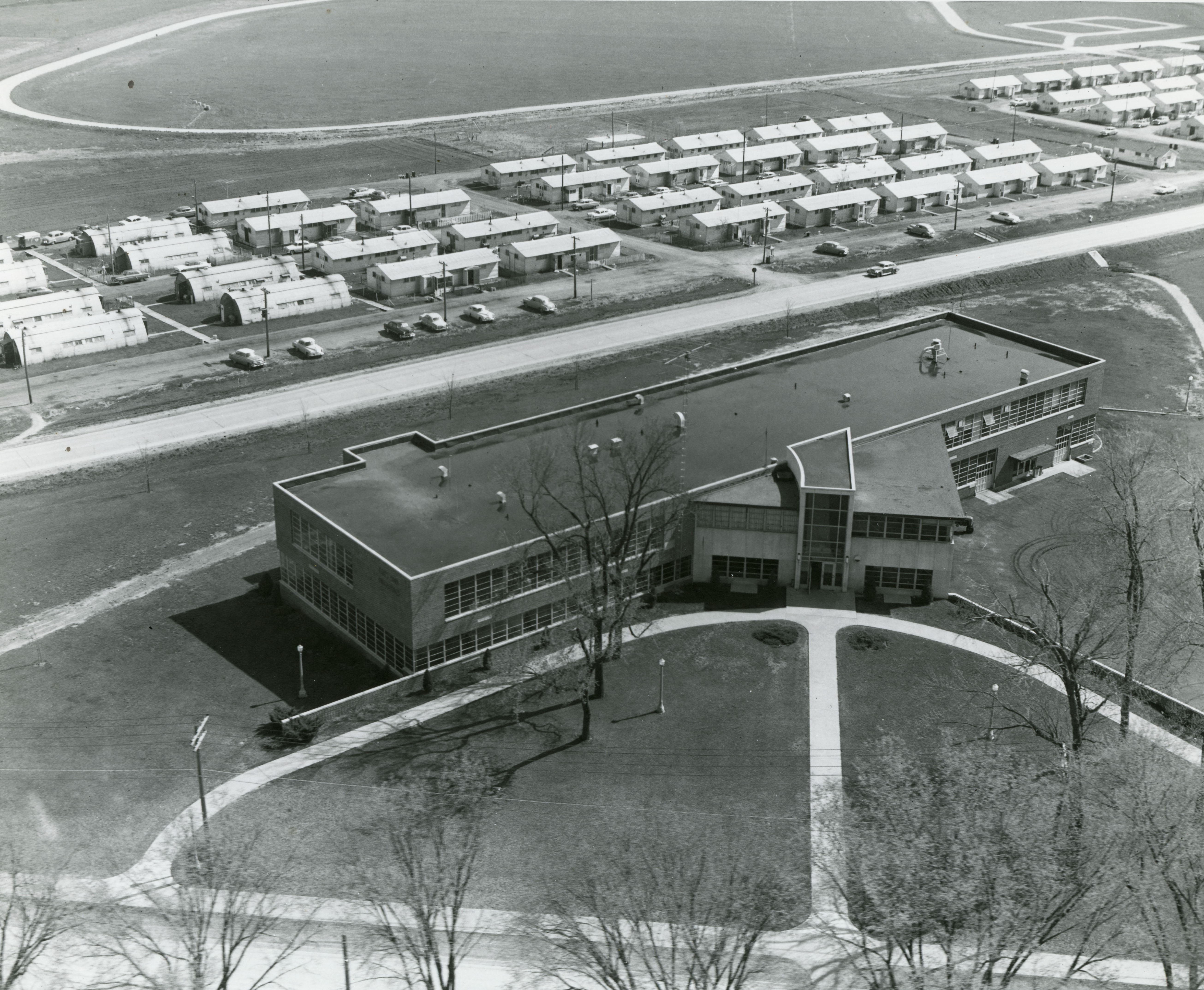
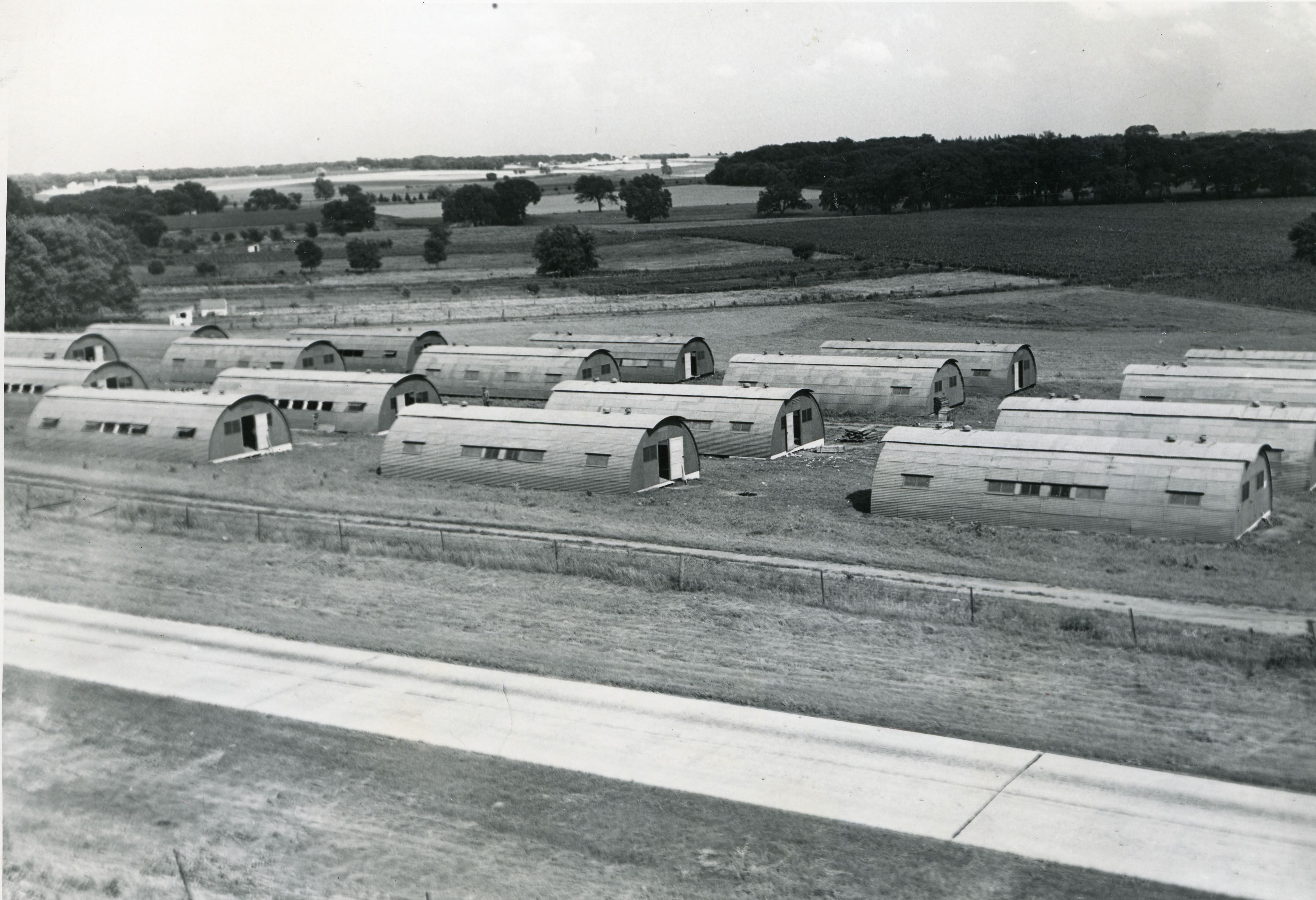
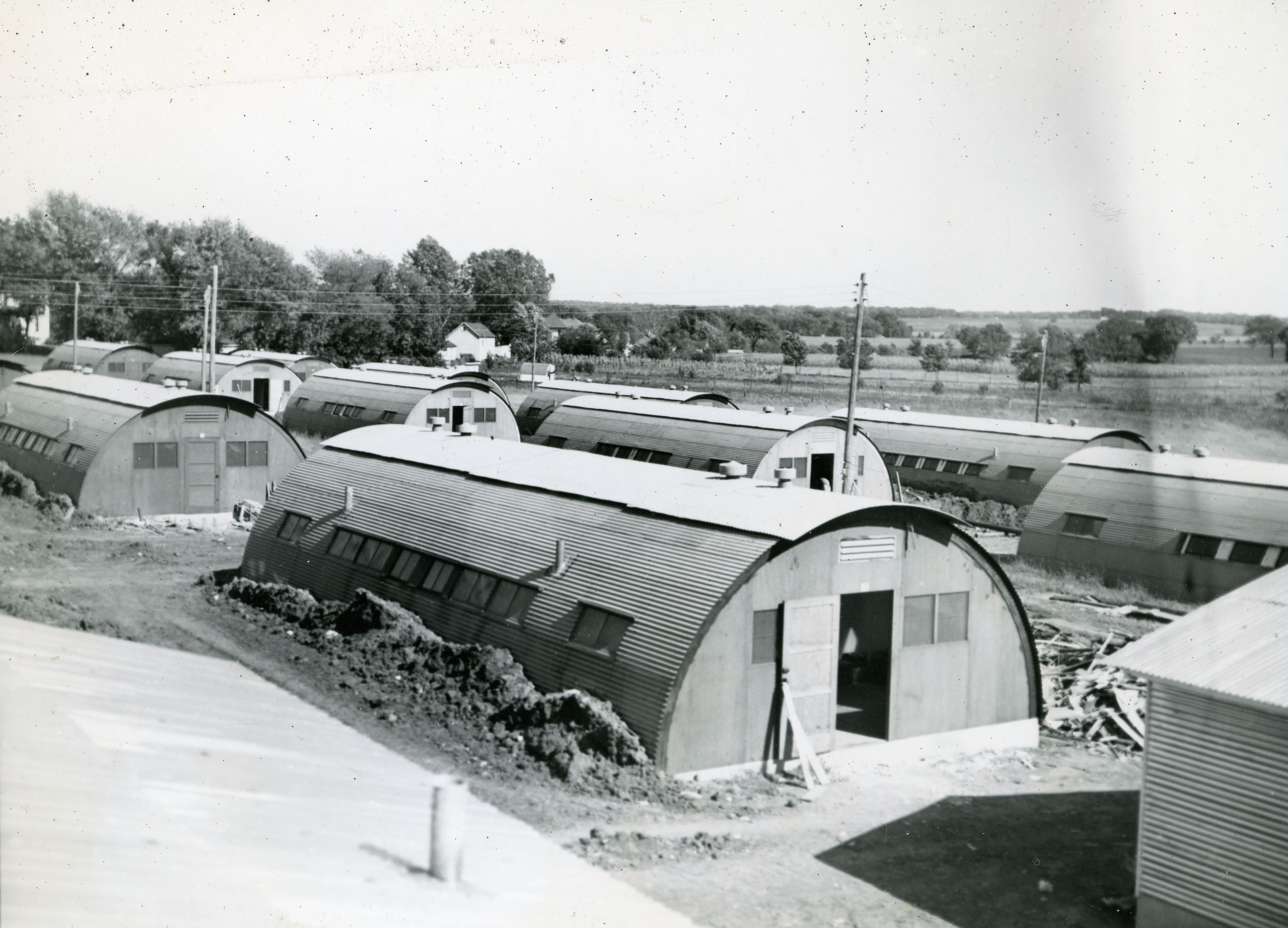
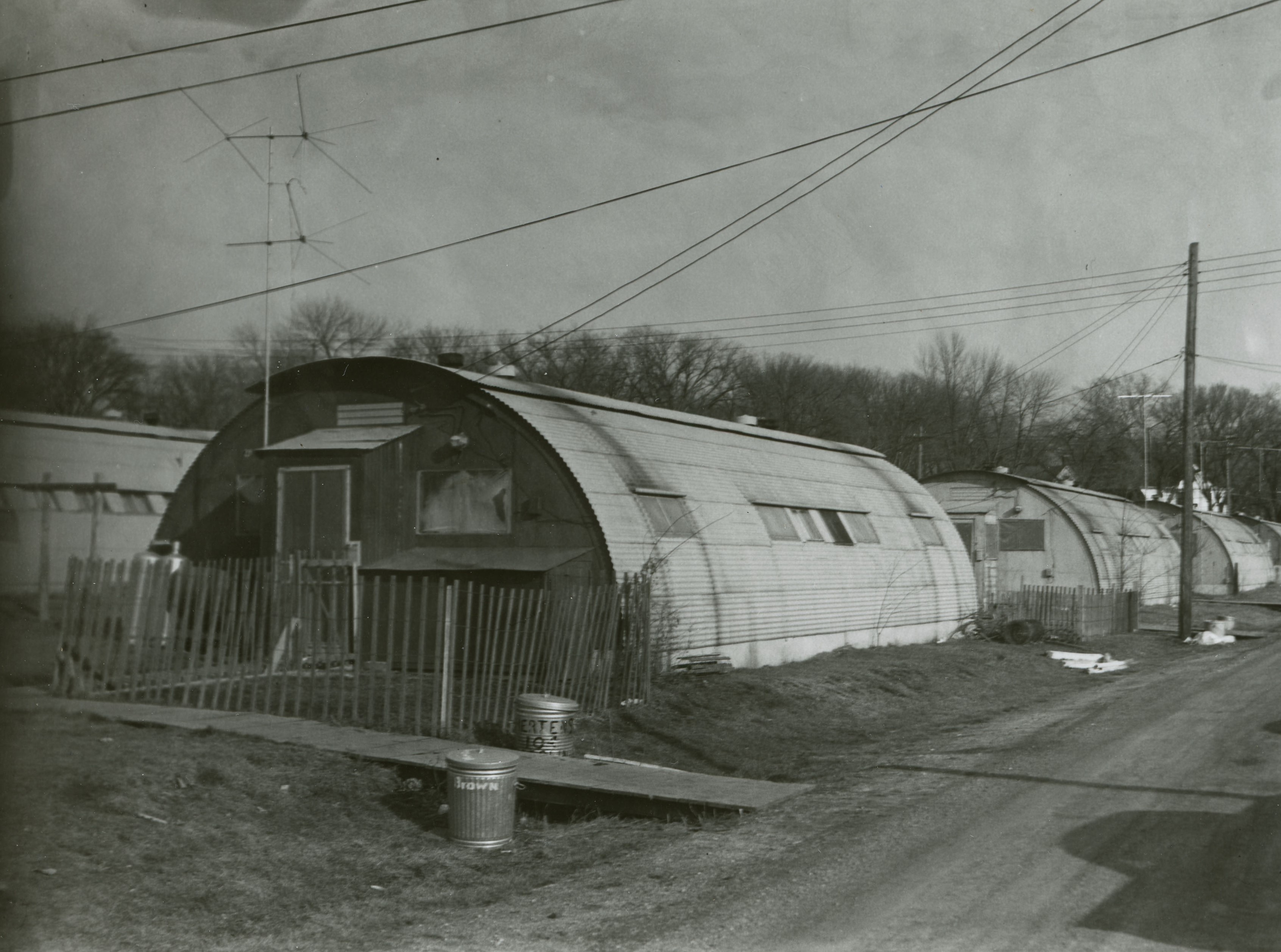
In May 1946, Dean of Men Gordon Ellis solicited applications to live in the units. Priority was given to veterans with families and veterans who had no housing or were living in substandard quarters. Solicitation for applications continued during summer 1946, with hopes some units would be completed by the end of summer. The College Eye student newspaper ran a contest to name the new housing area. James Loomer won a $5 prize for his suggestion, Sunset Village. Unsuccessful suggestions included Teecyville, Sunshine Slope, Iowana, Veteran Valley, Atomic Reserve, and T. C. Reserve.
By fall 1946, most of the construction work was done. However, due to postwar shortages, plumbing equipment was very difficult to obtain. In October 1946, some plumbing fittings and fixtures arrived and were installed. Construction workers were able to complete interior finish work and, on November 6, 1946, the first seven families moved into Sunset Village. Most of these families had been living in Riverview Bible Camp cottages, which were not meant for cold weather. The seven veterans who moved in with their families were Peter Hiltis, Ray Collins, Fenton Isaacson, James Nelson, Glenn Starner, Fred Steinkamp, and George LeVasque. They organized themselves into a group called Quon-Vets (Quonset Veterans), whose purpose was "expediting procurement of materials needed for completing the structures of the village." At this point, only four of the 72 buildings were available for occupancy. Fenton Isaacson was the first president of the group. Quon-Vets members visited building supply manufacturers in Minnesota and western Iowa to discuss the need for their products.
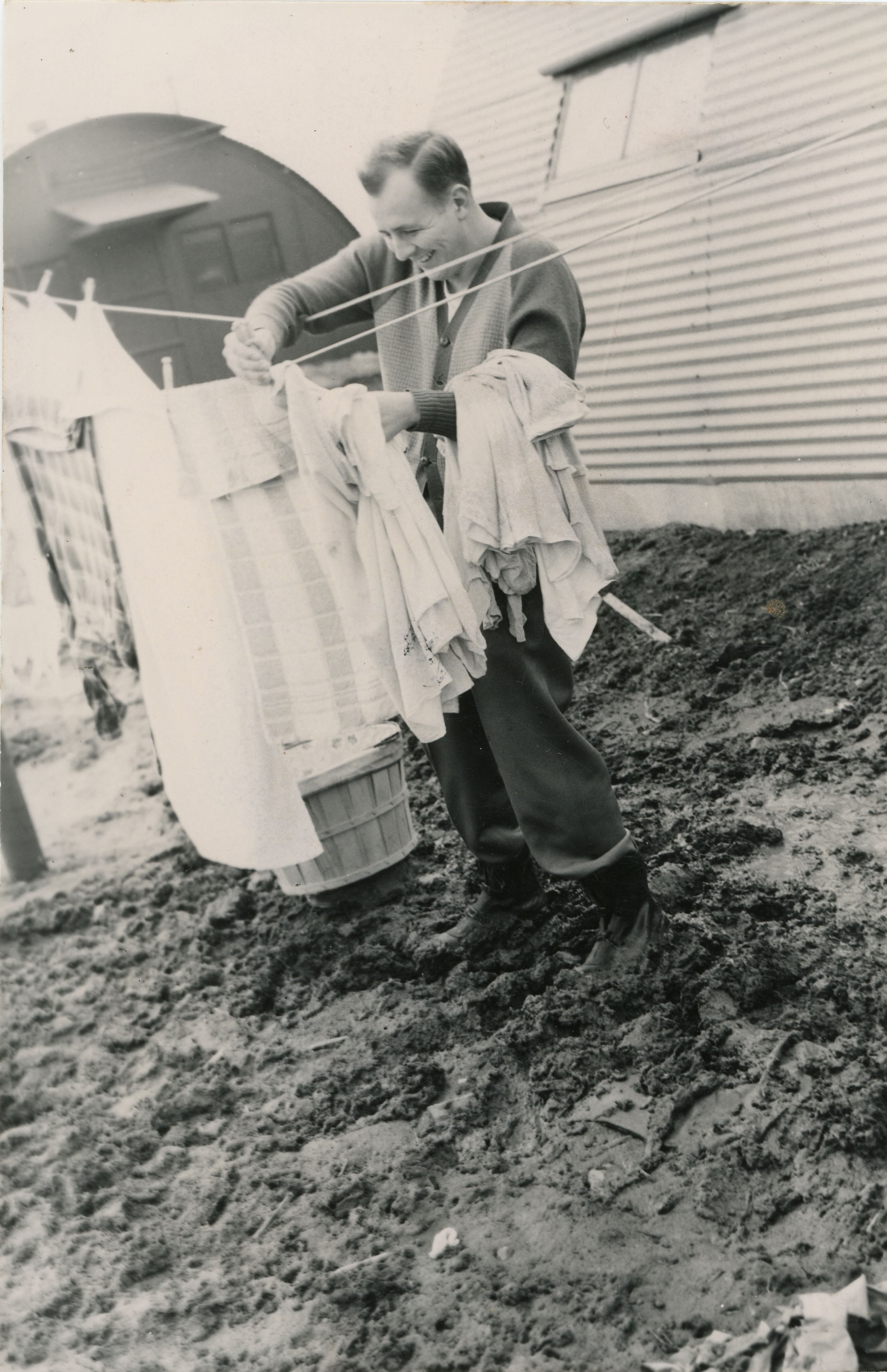
In December 1946, a carload of wallboard and a shipment of heating stoves arrived on campus. By mid-December, 18 huts were available for occupancy. The College Eye described the Quon-Vets as "truly displaying the American spirit." In an article on families moving into the huts and creating homes, the College Eye noted, "Some of the wives are breaking out their linen and china that have been stored with the 'folks' during the war years. For many it is the first opportunity to use wedding and shower gifts."
The winter of 1946-1947 was a difficult time for Sunset Village families. The surplus metal buildings were neither insulated nor weather-tight, and homes were difficult to keep warm with oil heaters requiring constant maintenance. Mice were abundant. Roads were mud and sidewalks did not exist. Due to the poor condition of village roads, deliveries of mail, ice, and oil were unreliable. Milk deliveries usually came early in the morning when the roads were still frozen and passable. The college spread cinders on the roads, and college students from the dormitories provided babysitting services. Three families welcomed new babies. The wives started a Women's Club which brought in speakers on childcare, nutrition and homemaking.
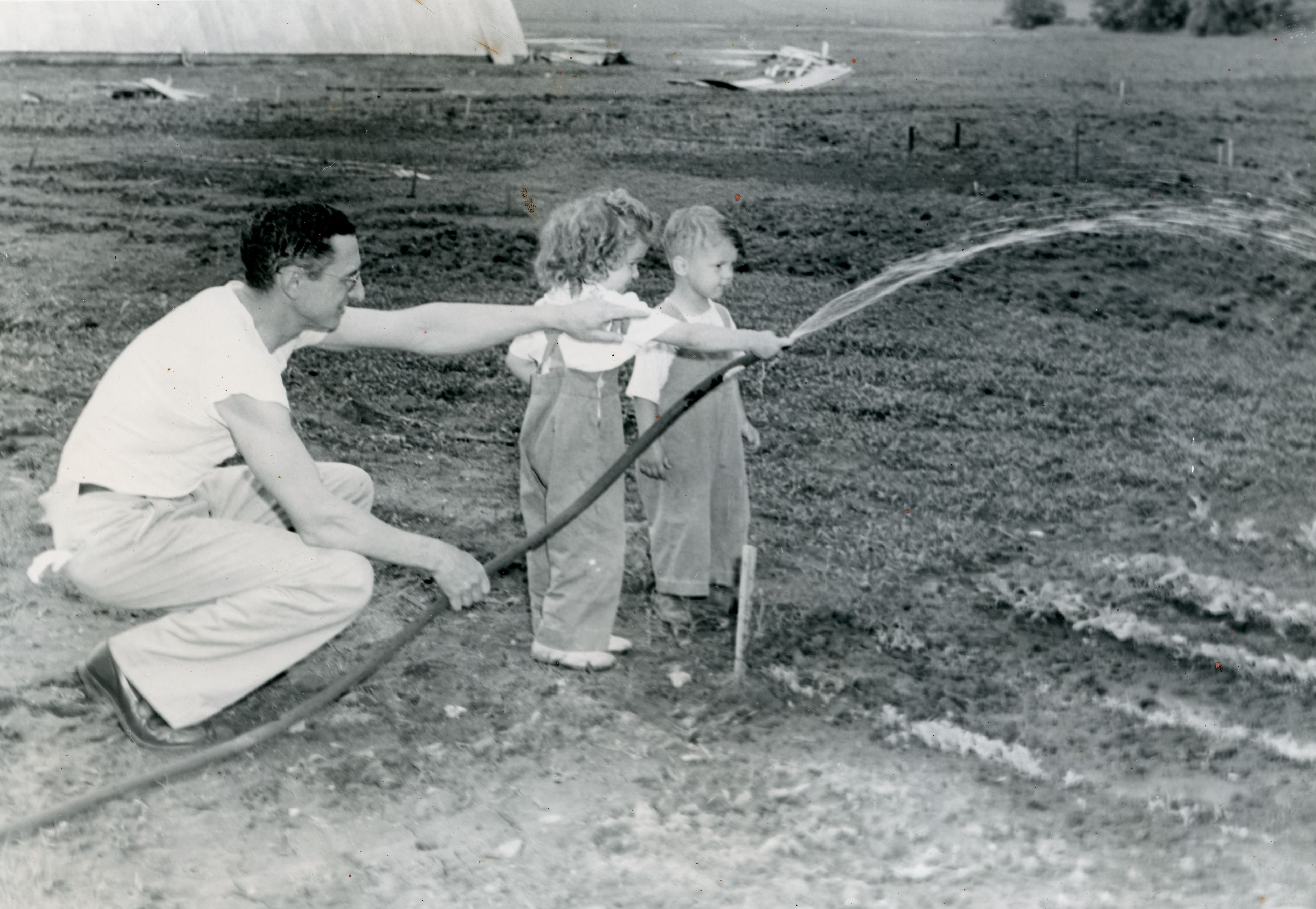
The community also worked to found and develop a cooperative grocery store in the village. Families contributed $20 each to build and stock the small store. It opened in May 1947 and was initially available for about 20 hours per week. The store's prices aimed at meeting costs plus making enough to cover management expenses. Lawrence Shepard was the store's first manager. In spring 1947, 70 families obtained garden allotments on college land near the village. Road improvements meant mail could be delivered to each hut, but the cinder surface led to many skinned knees for the children, who had no other place to play.
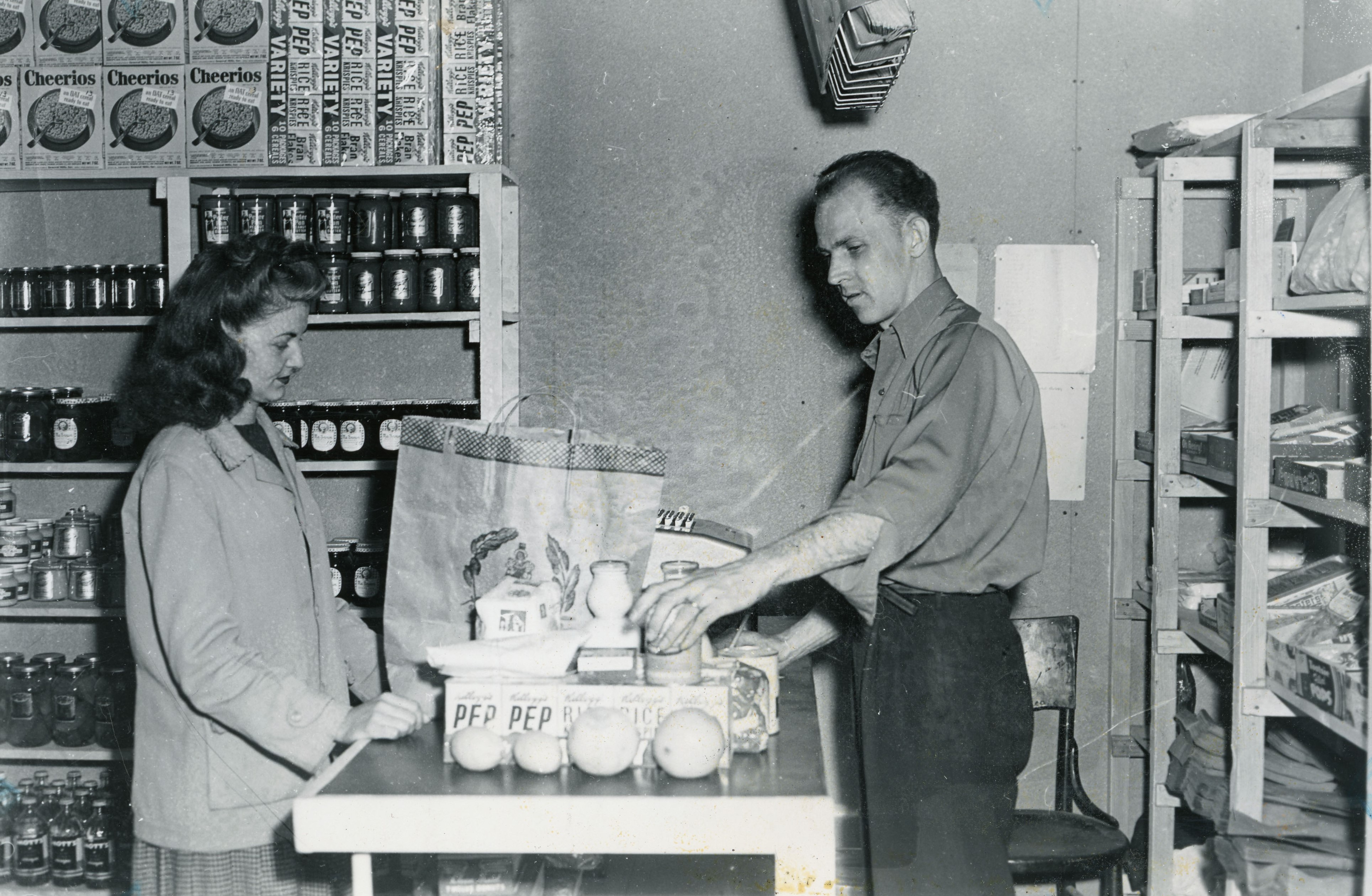
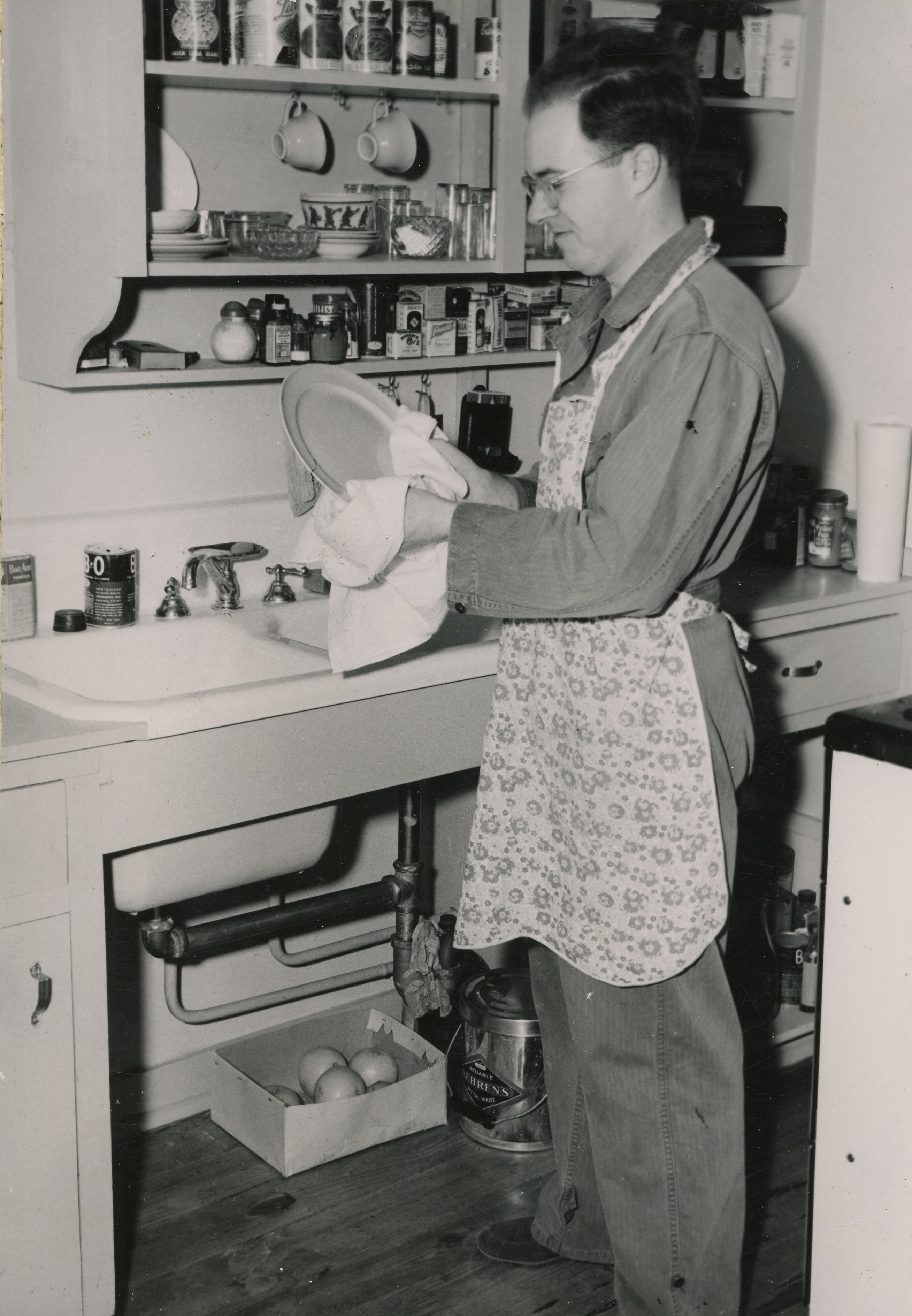
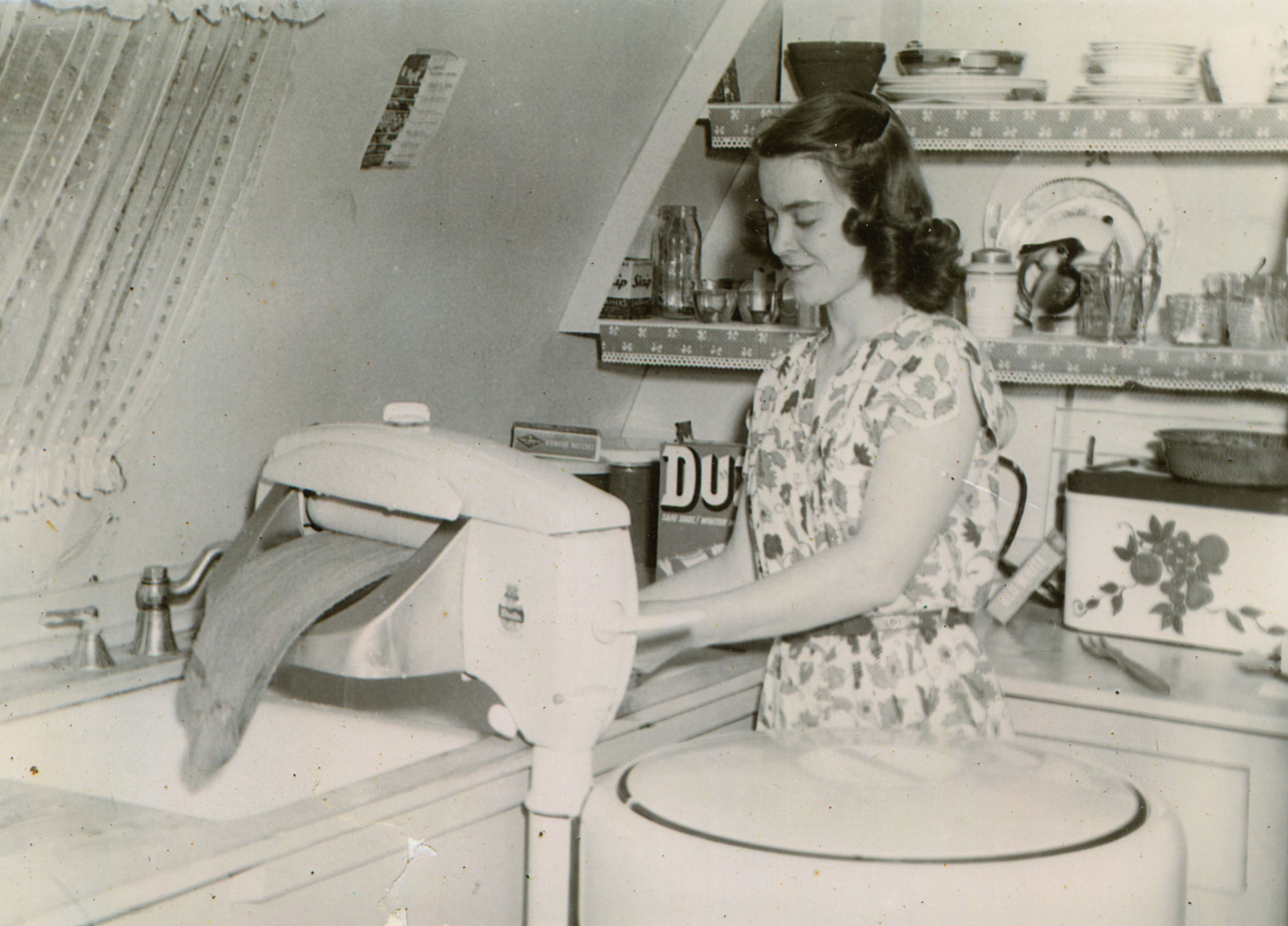
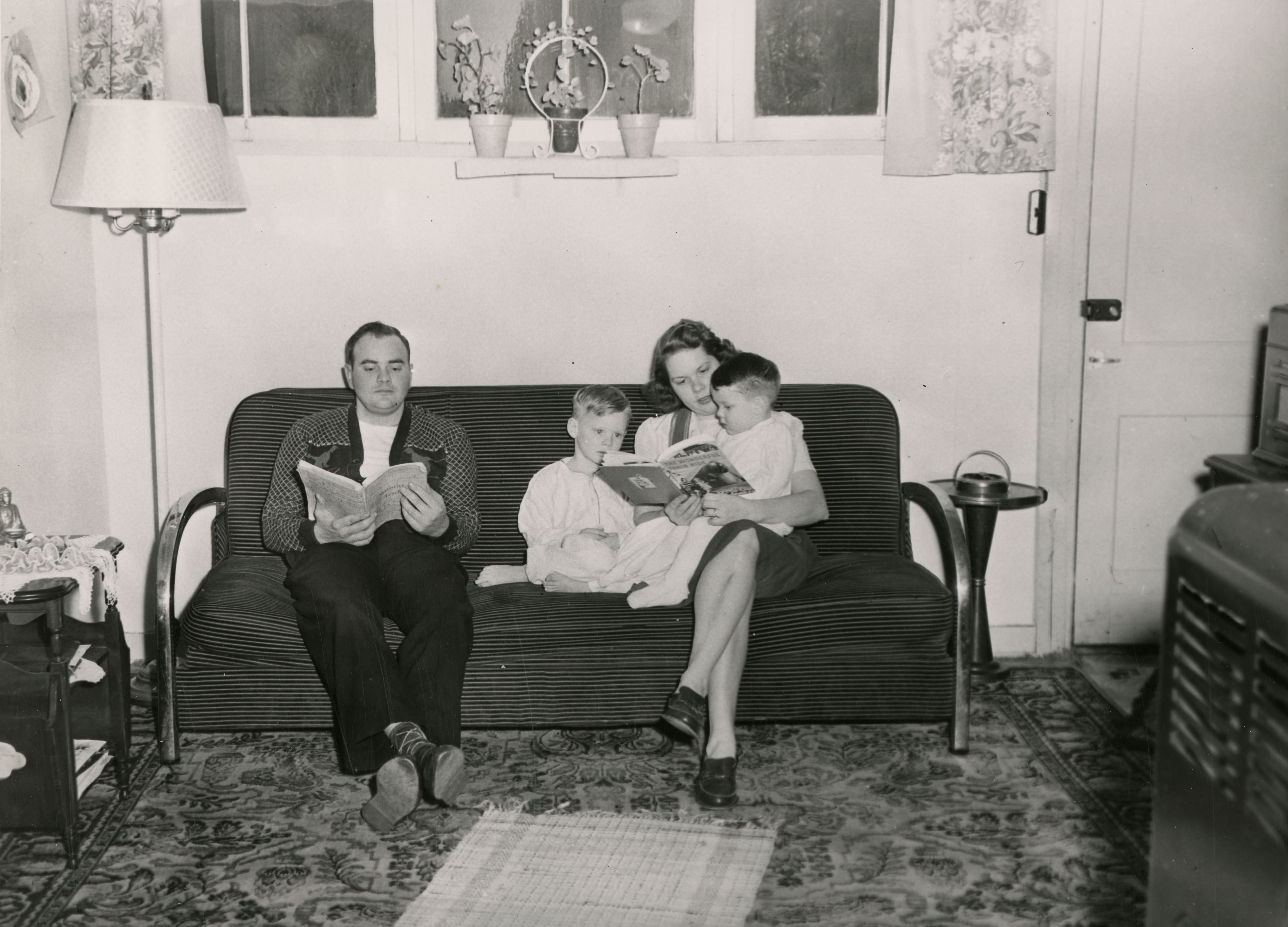
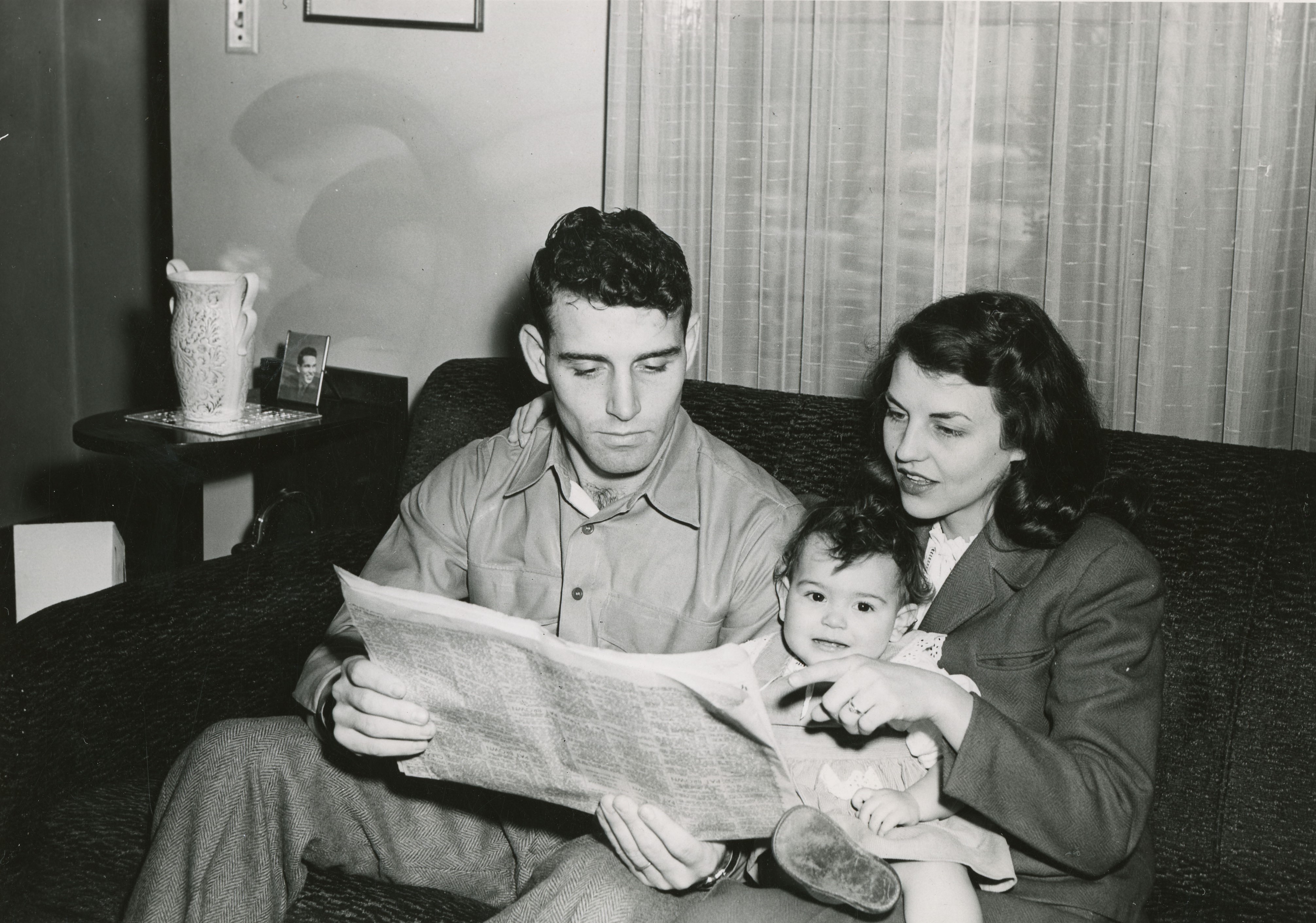
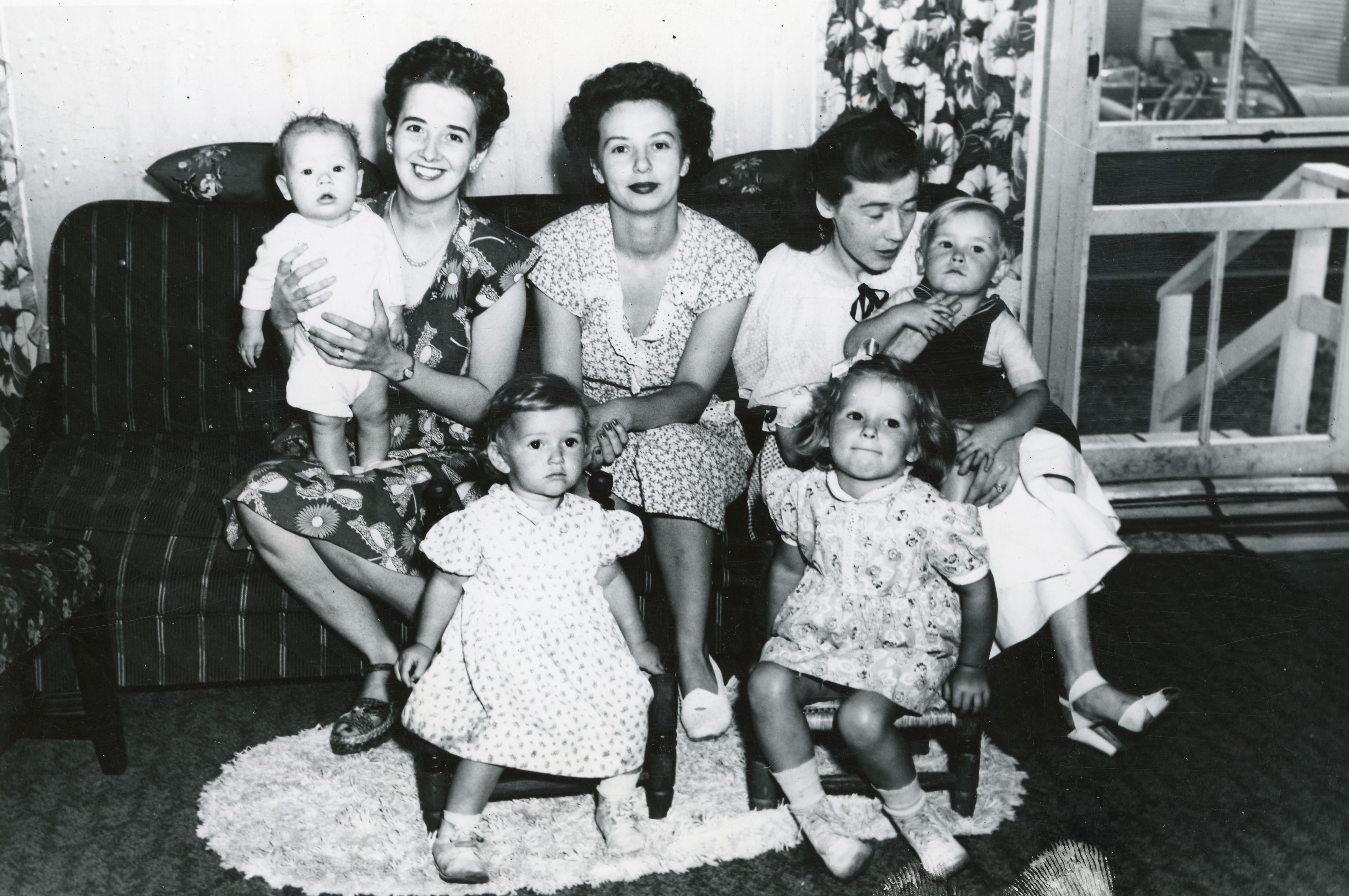
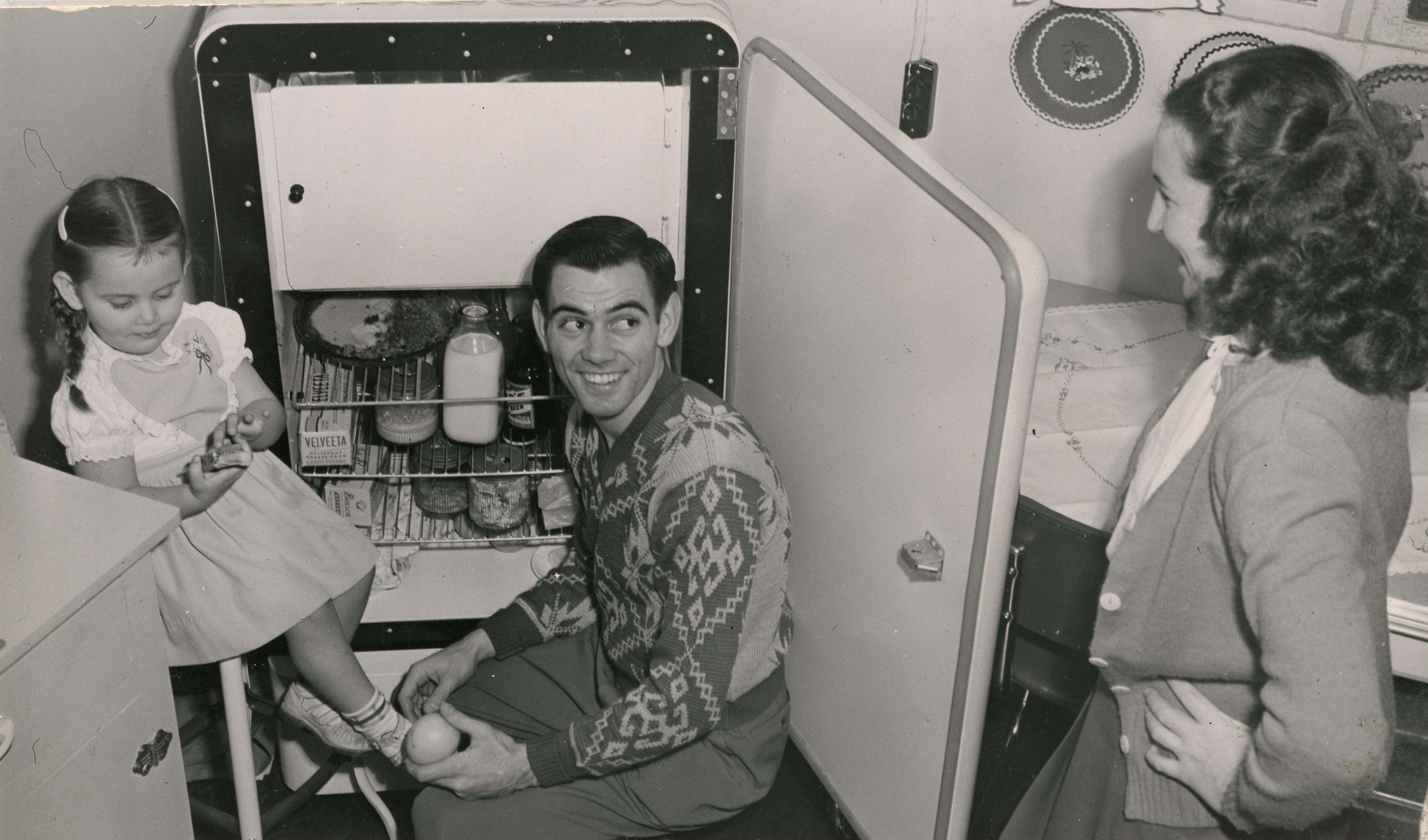
By summer 1947, about 400 people lived in Sunset Village. Rent ranged from $20 to $33, depending on family income level. Throughout the fall and winter of 1947, families sought a dependable supply of oil. Since each unit was heated by an individual oil heater and many families had small children, fuel was critical. The village as a whole would need at least 20,000 gallons of oil for the winter. The college offered to supply each family with winter heating oil for $168 per unit. Village residents initially rejected the offer, but agreed in December. The college brokered a deal with four local fuel oil suppliers, dividing the village into areas of responsibility. The companies promised to make regular deliveries, and the college promised to assist in bill collection as necessary. In addition, the college installed its own emergency fuel oil tanks in case village residents ran into supply problems. However, due to the nationwide shortage of heating oil, by the end of January 1948, the situation in Sunset Village was critical. Some oil heaters were converted to burn coal or wood. Some families moved in together to conserve fuel, and some veterans moved into the dorms while their families went home.
When spring arrived, Sunset Village began working on outdoor improvements. The college designated an area about 100 x 150 feet for a playground and installed a hard surface on part of it for skating and bike riding. Several Waterloo and Cedar Falls organizations donated cash and equipment to improve the playground. In August 1948, the college administration asked the federal government to transfer the Sunset Village buildings to college ownership. The college would continue to give housing priority to veterans, as the federal government had initially stipulated. In December 1948, the college installed electric meters in each hut. Previously, the college had paid for electrical service to the entire village. Following the meter installation, the college would pay an initial $2.50 on the bill, but residents would be responsible for the remainder.
The occupancy rate remained high in the village, even when the college expected veteran enrollment to decline. In early 1950, with campus-wide housing shortages, the college explored plans to convert about a dozen village huts into barracks style housing for groups of 10 or 12 single men. However, by summer 1950, all units were again occupied by families, and the college abandoned plans to convert village units to other kinds of housing. In 1951, with the huts nearing the end of their five-year anticipated life, the College Eye asked about Sunset Village’s future. The units were in high demand: 400 people, 100 of them children, still lived there. The low rent and expenses made the village a good option for families: rent was $23 per month ($5 more for furnished units), water was free, heat was about $20 per winter month, and electricity was minimal. The huts remained uninsulated and the roads were poor - the college needed to upgrade the huts or find a permanent solution.
College Eye writer Tom Pettit summarized the situation in 1953. He noted veteran enrollment was down, but married students had become a fixed part of college life. Additionally, the college's new graduate study program meant numbers of married students would likely increase; for example, over half the men enrolled in summer 1953 were married. Pettit investigated the finances of Sunset Village and found the capital costs had been amortized; rent from the village was essentially underwriting bonded indebtedness of the college dormitory system. In an interview, President J.W. Maucker said the intention was to "maintain it (Sunset Village) as long as we can. Beyond that there is no provision. I don't see any possibility of it." President Maucker said the level of bonded indebtedness in the dormitory system precluded any substantial improvement in housing for married students in the near future. Pettit offered several solutions to the problem, including converting Campbell Hall into a men’s dormitory and remodeling parks of Baker Hall and Seerley Hall for Men into family apartments, or upgrading Sunset Village to an improved permanent facility.
In spring 1954, resident Diane Sargent wrote a series of columns entitled "Sun Spots" in the College Eye. She wrote with good humor about the problems village residents continued to encounter: loose pets, mud, deteriorated playgrounds, trash, dirty oil heaters, parking, thin walls and bad roads. In December 1955, the Regents approved $180,000 for the construction of 12 two-unit buildings which became known as College Courts. The first batch was completed in December 1956, and a second similar batch was ready in January 1959.
Construction of College Courts initially had little effect on Sunset Village, although several units were converted to storage facilities, but even after the college. Even after the college installed 50 house trailers in South Courts just southeast of Sunset Village in summer 1963, village occupancy rates remained high.
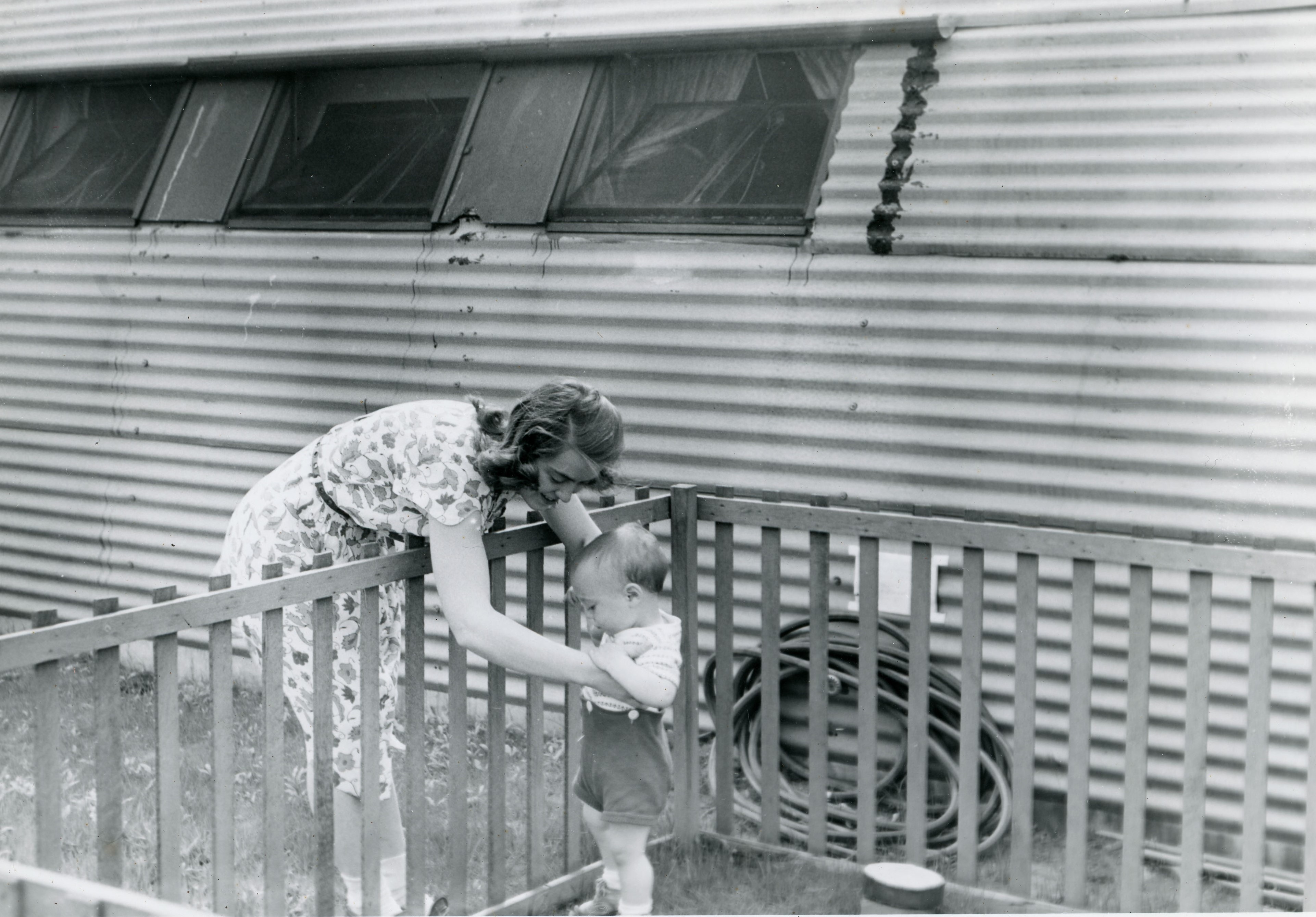
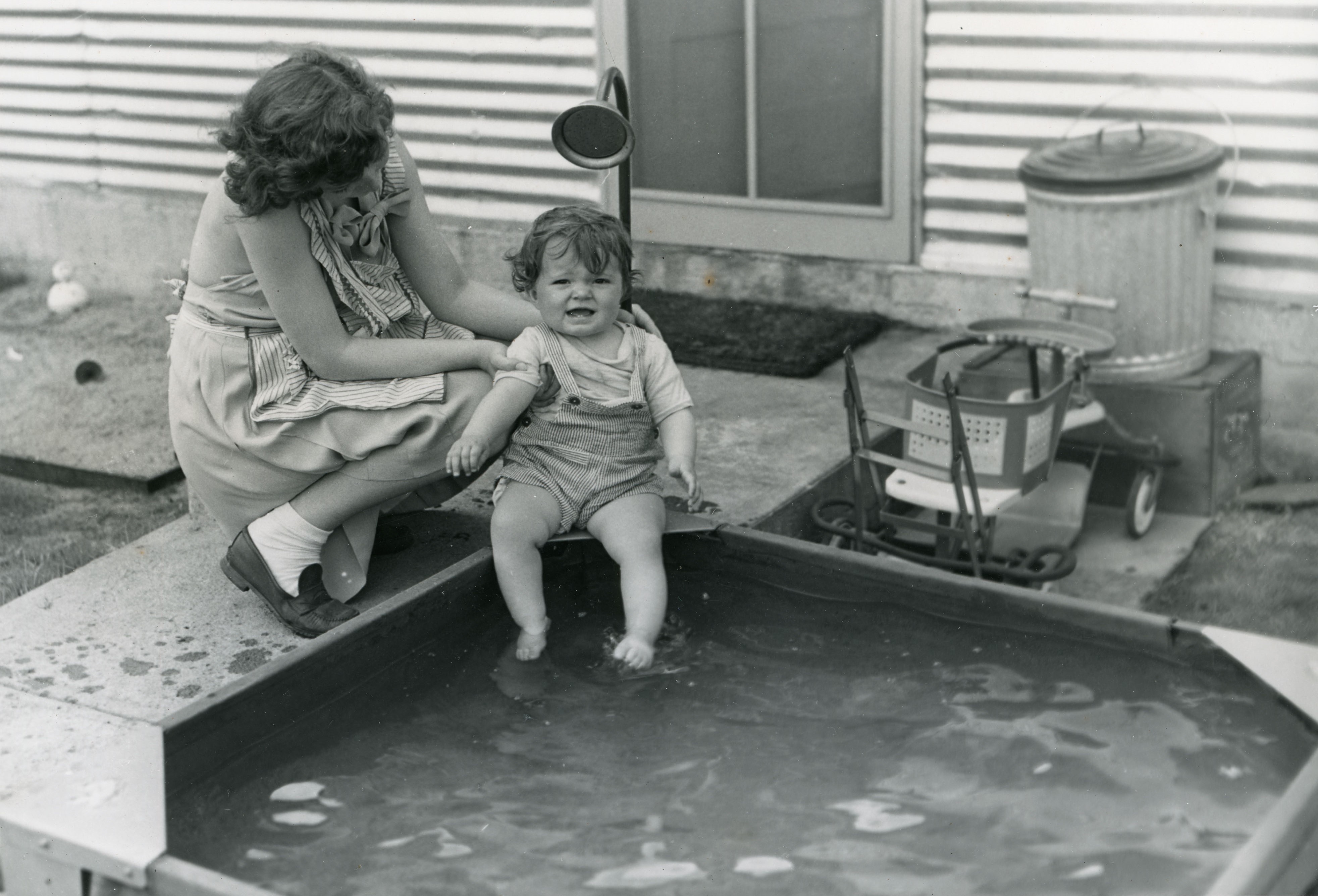
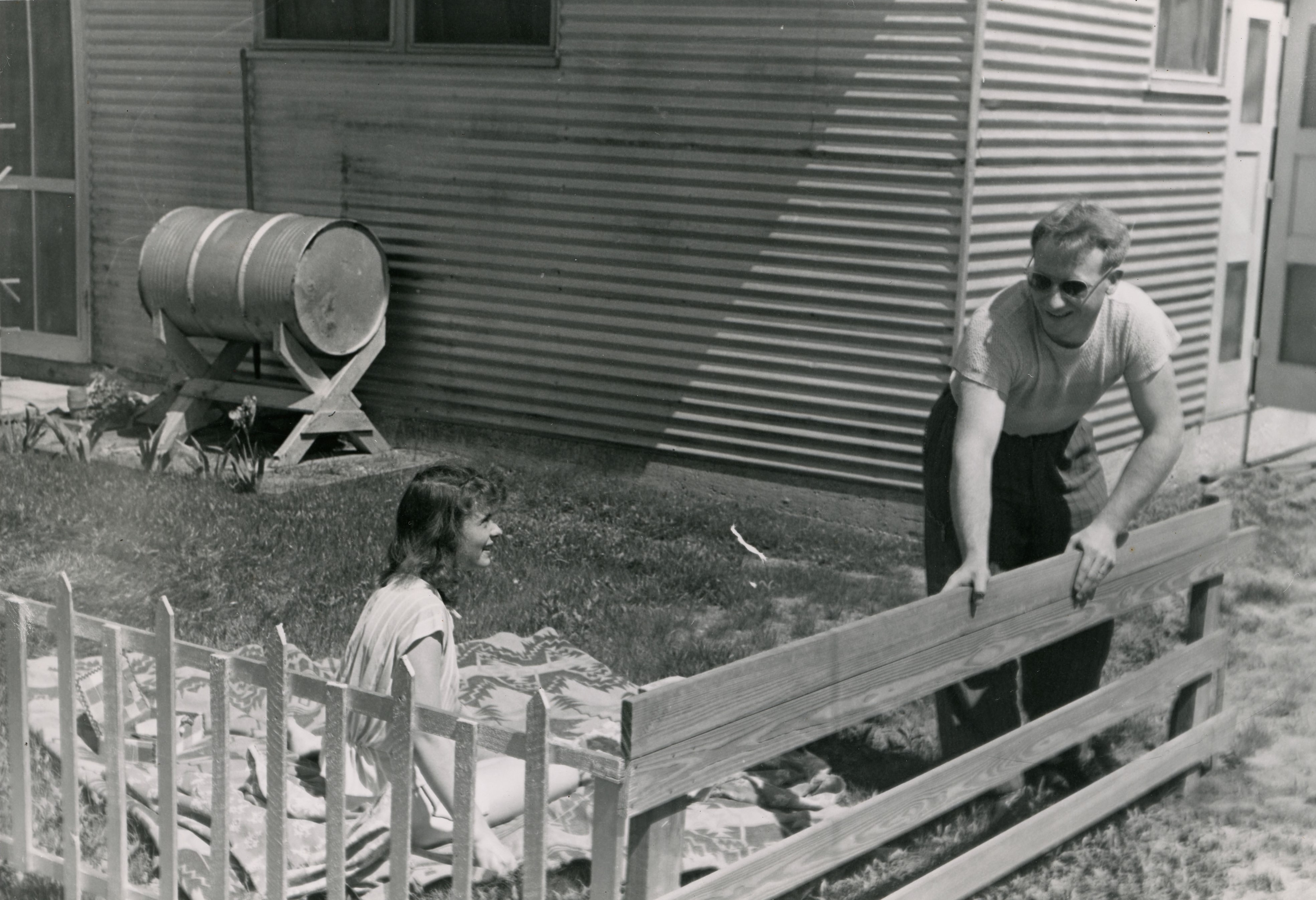
By the middle of the 1960s, there were serious discussions about the future of the village. More traffic meant more danger to children. A child was struck by a car while the village was in the midst of a campaign to enforce a 10 mile per hour speed limit. After a December 1965 campus inspection, the State Fire Marshall suggested vacating the village. He cited the considerable danger posed by the units' single entry door and the small, high, windows making egress difficult in an emergency. Later in the 1960s, the Fire Marshall found that several of the units being used as studios by the Art Department "Do not meet any of the standards related to fire safety in school buildings." President Maucker considered these recommendations along with the substantial need for married student housing, and stated there was too strong a demand for family housing at that point to vacate the village immediately. Even in the late 1960s, applications to live in Sunset Village exceeded available units by a 3:1 ratio.
In April 1969, the college purchased the land on which Hillside Courts would eventually be built. To underline the necessity for new housing units, college planning administrator Marshall Beard said, "The Quonset hut buildings have been unsafe since they were built." Even as Hillside Courts construction progressed, students expressed their affection for the Sunset Village level of housing: one survey found an 88% satisfaction rate among residents with factors such as rent, amount of space and location. Rent in the new Hillside Courts apartments would be in the $100 range.
In summer 1970, the university announced the Sunset Village units would be phased out as they became vacant. For fall 1971, with Hillside Courts apartments nearing completion, the university offered Sunset Village tenants an option: move to Hillside Courts or stay in Sunset Village through the spring semester, after which the village would be closed.
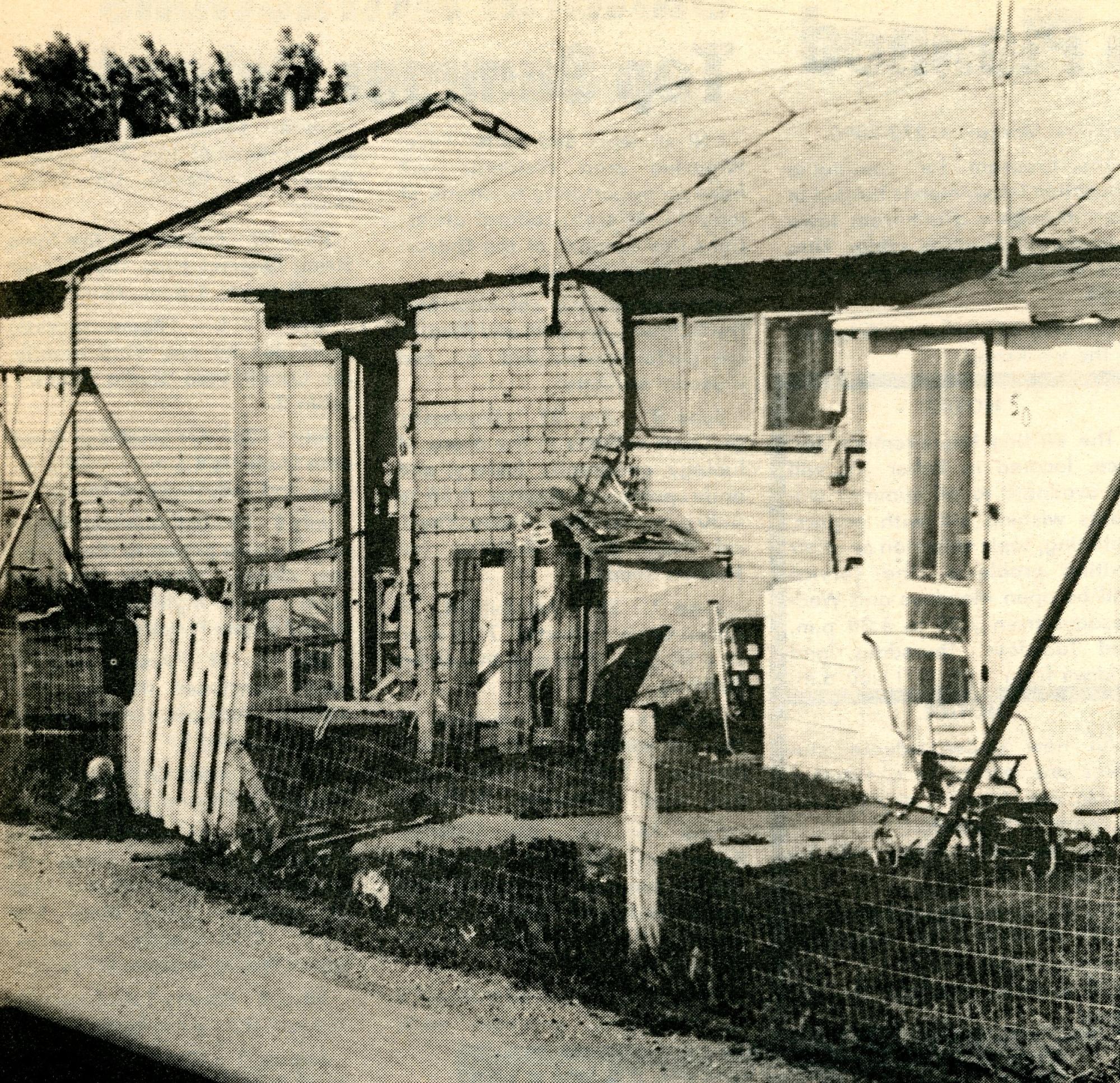
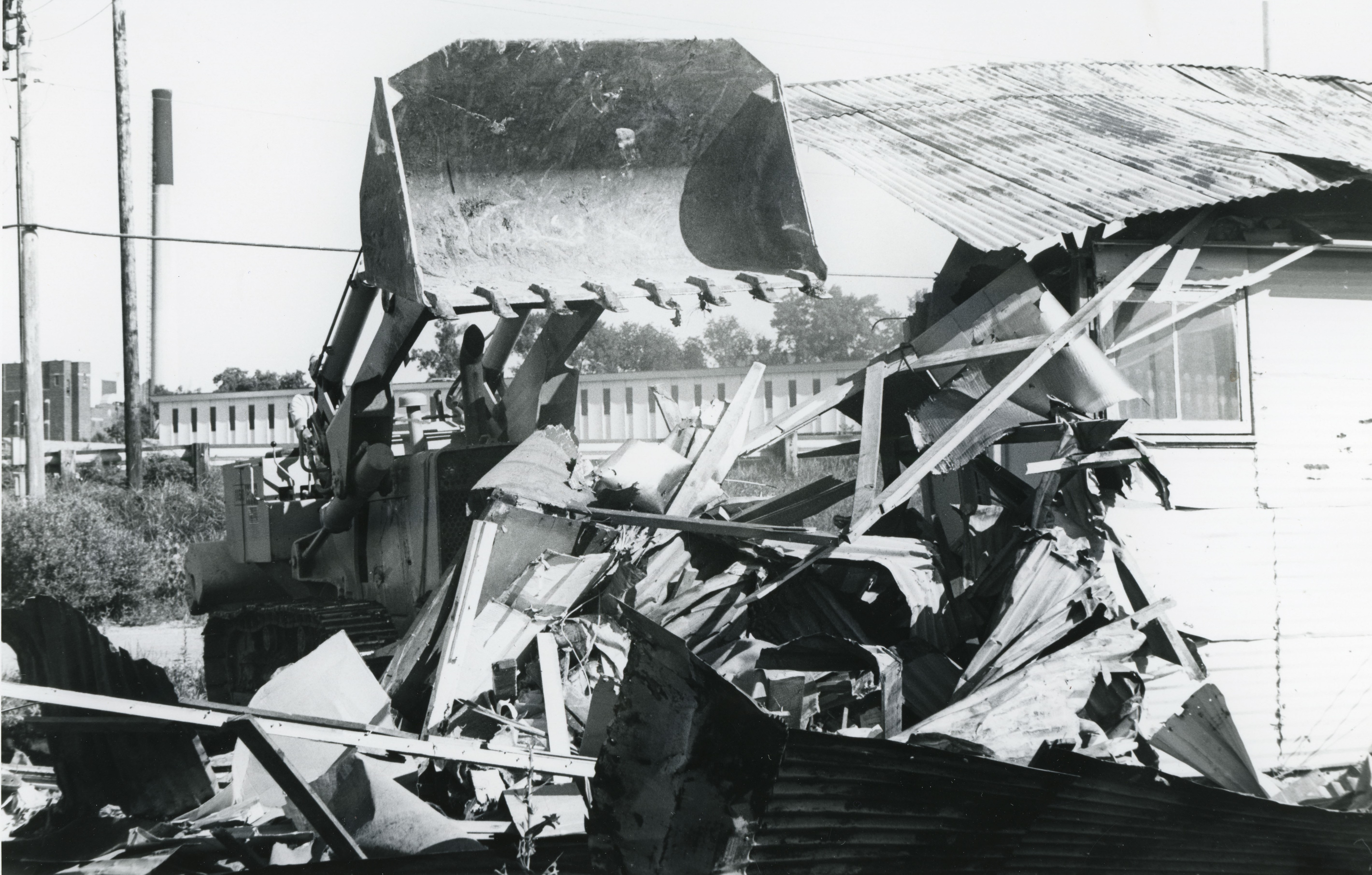
Sunset Village closed on August 15, 1972. The university put the buildings up for sale, but only three were sold. The eastern part of the village was bulldozed by mid-September and most of the rest of the buildings were razed shortly thereafter. Several of the buildings survived as storage space and art studios, complete with a kiln. The ceramics studio attracted the attention of the Fire Marshall in 1978, when he ordered the building vacated unless substantial life safety modifications were adopted. The university spent $50,000 to make the building safer.
Compiled by Library Assistant Susan Witthoft; edited by University Archivist Gerald L. Peterson, September 1996; substantially revised by Gerald L. Peterson, with scanning by Library Assistant Gail Briddle, September 2002; updated January 26, 2015 (GP); photos and citations updated by Graduate Assistant Eliza Mussmann April 5, 2023, February 2025; revised by Library Assistant Hannah Bernhard, February 2026.
"GI Bill®” is a registered trademark of the U.S. Department of Veterans Affairs (VA). More information about education benefits offered by VA is available at the official U.S. government website at www.benefits.va.gov/gibill.