
Begeman Hall (1903)
Even though the word "Laboratory" was chiseled over the north main entrance when the building was constructed, the building did not receive an official name until much later. During the planning, construction, and earliest years of this building, the terms "Laboratory Building," "Science Hall," "Physical Laboratory," "Physical Science Laboratory," and "Science Building" were used interchangeably. By about 1912, the school catalogue began to use "Science Building" fairly consistently. By 1970, when most chemistry classes had moved to McCollum Science Hall, the catalogue began to use the term "Physics Building" on a consistent basis. In 2007, the building was officially named Begeman Hall. This essay will use the building name that is appropriate for the period under discussion.
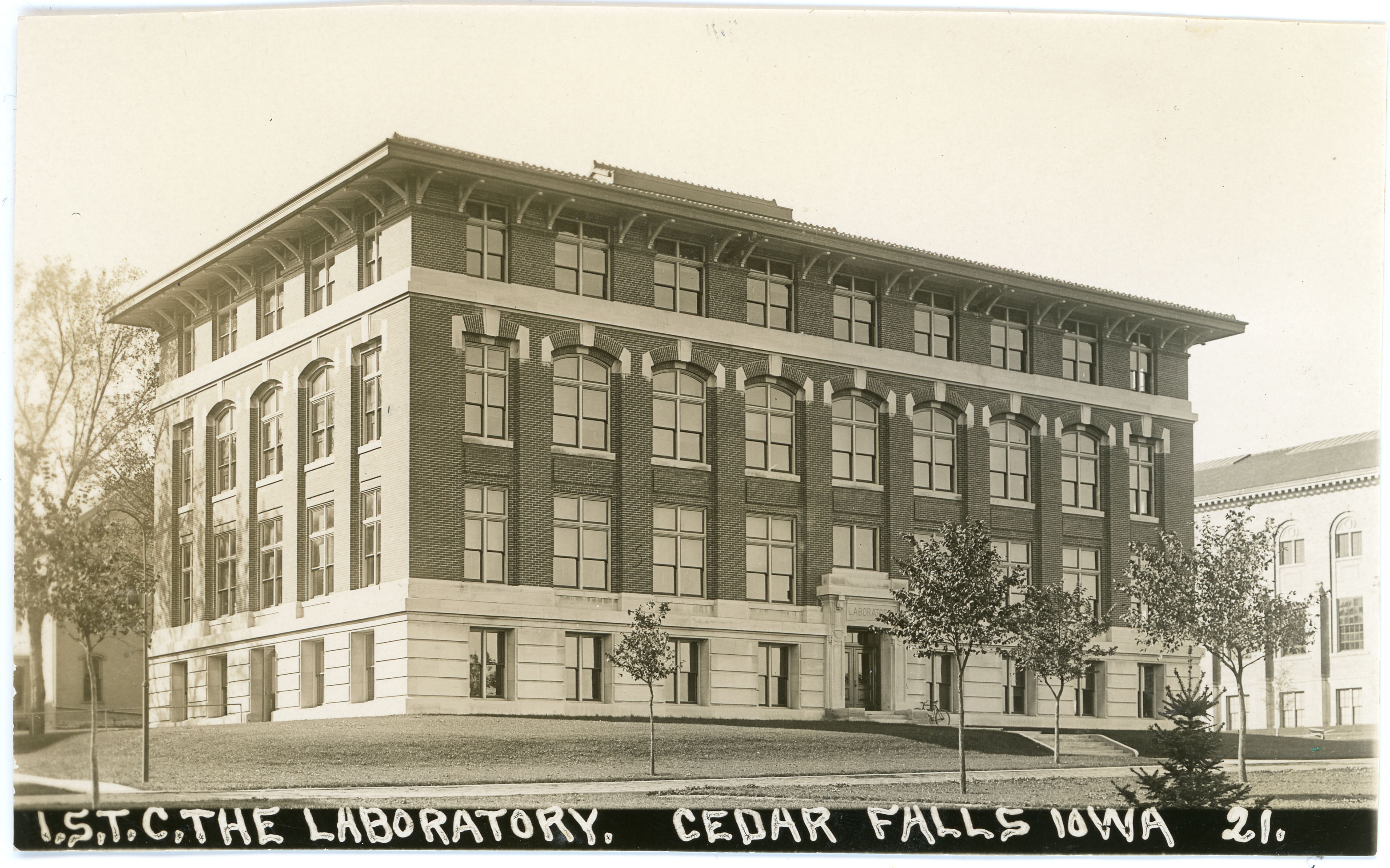
The Iowa State Normal School, now the University of Northern Iowa, included science courses in its curriculum when the school opened in September 1876. Professor Moses Willard Bartlett was in charge of that work. The earliest laboratories likely consisted of small arrays of equipment spread out on tables in a classroom. By fall 1878, when the school had only a single classroom building, a former storeroom was converted into a laboratory. The student newspaper, The Students' Offering, reported:
"The laboratory has been furnished with about $600 worth of philosophical and chemical apparatus, and now the instruction given in physics and chemistry is satisfactory to the teacher and thorough and comprehensive to the students."
In 1880, the school bought two microscopes and a polariscope, a device that used polarized light. A spectroscope arrived in 1883. The same year, science instructor Maude Gilchrist, daughter of President James Gilchrist and member of the first graduating class at the Teachers College, offered an essay entitled "An Hour with a Microscope" in the student newspaper.
In 1892, the school improved its laboratory facilities and acquired a new batch of microscopes. However, conditions remained less than ideal. Serious accidents occurred in the chemistry laboratory in 1893 and 1894. The school soon developed new chemistry and physics laboratories. The chemistry laboratory included new tables complete with sinks and bottle racks. Just as important, according to the student newspaper, the new laboratory had venting hoods where "gases will be so taken care of that chemistry teaching will not provoke the wrath of all other departments."
Administrators continued to advocate for better facilities. In his report to the Board of Directors for the 1895-1897 biennium, President Seerley outlined his recommendations for campus capital improvements, including a "Chemical and Physical Laboratory." He noted the facilities, then housed in a classroom building used by faculty and students in other curricula, were unsatisfactory for several reasons. First, the facilities and equipment could barely serve the students enrolled in chemistry and physics classes. Second, despite the new venting hoods, gases generated in the course of laboratory work were still highly offensive to students engaged in other work. Third, chemicals stored and used in a laboratory posed a significant threat of fire. Seerley believed chemistry laboratories should be isolated in a building separate from other classroom buildings. Seerley ranked a laboratory building second only to his request for a classroom building with an auditorium.

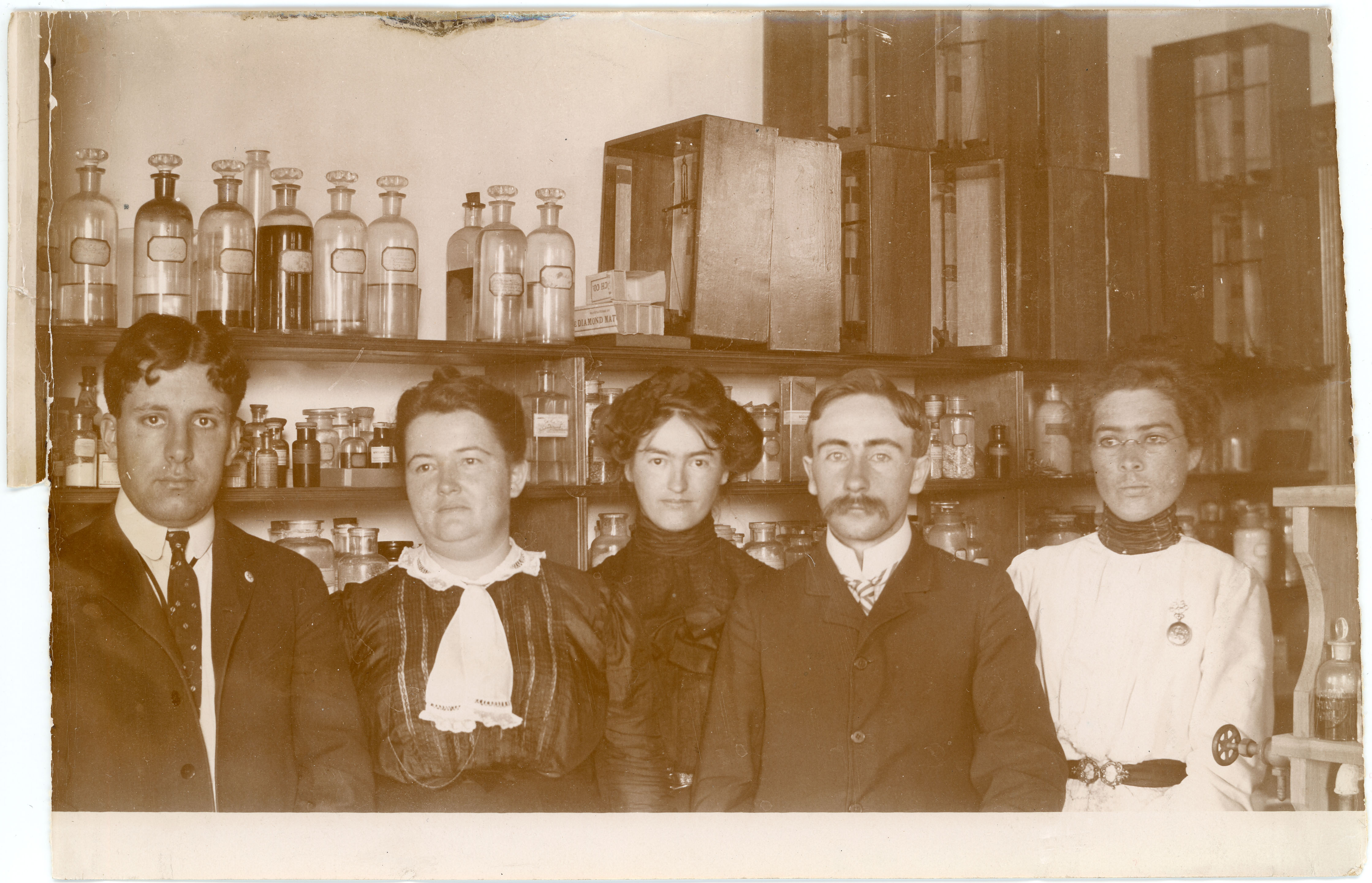
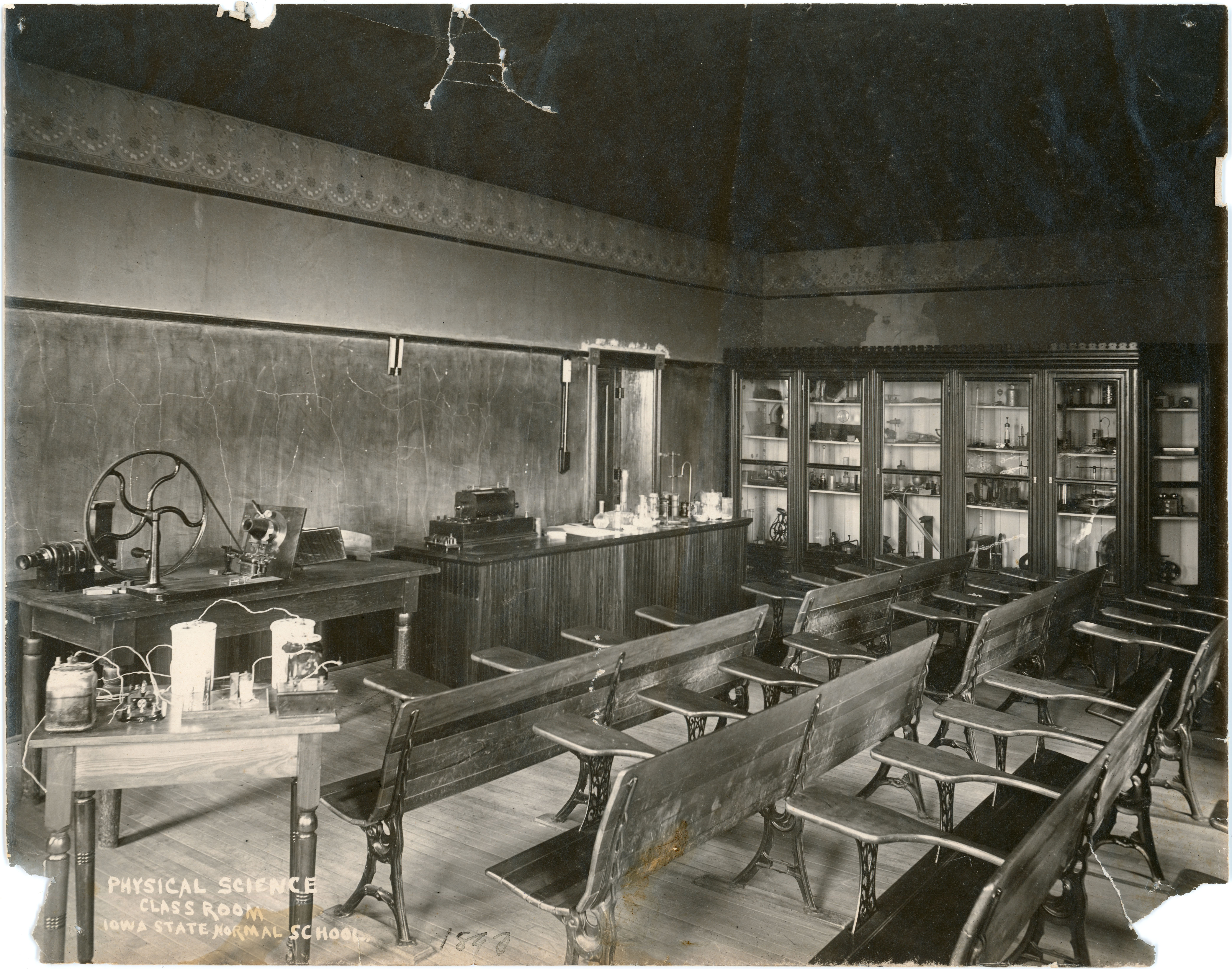
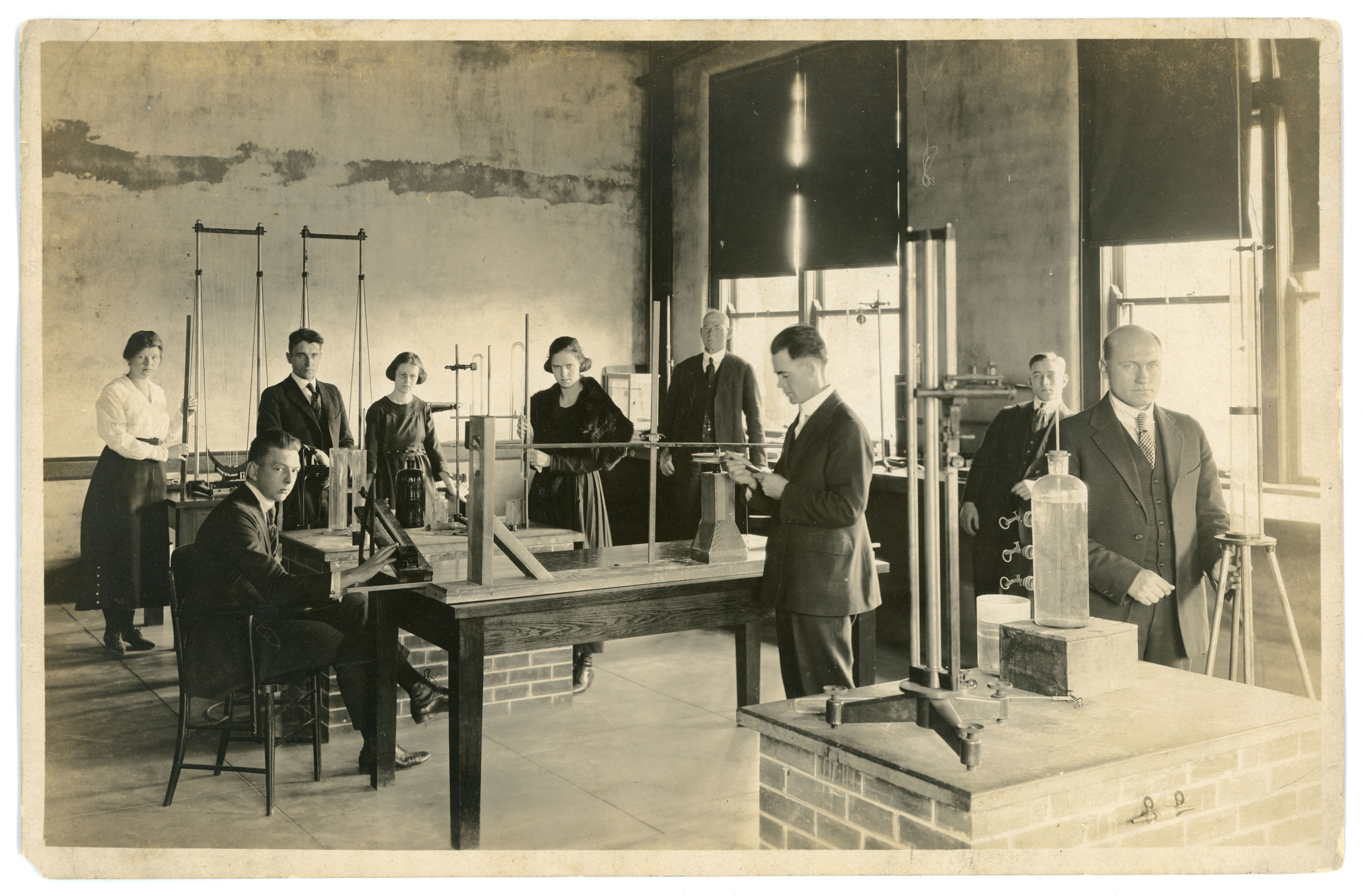

The Board and the General Assembly first supported a classroom and auditorium building, now known as Lang Hall. With that building under construction, Seerley asked again for a laboratory building in his 1901 report to the Board. He stated the school was required by law to teach chemistry and physics and such subjects could not be taught in ordinary recitation rooms. He continued, "We earnestly recommend that a building not connected with any other be erected for the sole use of these two departments of the school." He estimated such a building could be constructed for about $18,000.
On April 4, 1902, the General Assembly passed a measure that the Normal School would receive a portion of a millage levy from state real estate tax for 1903 through 1908. The money would be designated for capital improvements. School officials could expect to receive between $275,000-$300,000 over the course of that six-year time period. With this source of funding assured, the Normal School could undertake a planned building program. A laboratory building would be among the first projects. Money from the millage levy would also result in buildings now known as Seerley Hall, Sabin Hall, Wright Hall, the Innovative Teaching and Technology Center, and the President's House.
At its meeting on June 10, 1903, the Board adopted preliminary plans for a new laboratory building drawn up by Superintendent of Buildings and Grounds James E. Robinson. The Board authorized excavation for the building and construction of a foundation sufficient to protect the excavation, as well as all necessary sewer and heating connections to the building. However, at their September 9, 1903 meeting, the Board deferred construction of the foundation. It is unclear how far work had progressed.
In fall 1903, the Board concentrated its efforts on specification and materials for the Gymnasium, which was in a slightly more advanced stage of planning and construction than the Laboratory Building. Additionally, the school would need a better steam plant to supply heat and power to future buildings. Consequently, little work was done on the Laboratory Building. The Board did make a key decision at its February 2, 1904 meeting: whenever it could again turn its attention to the Laboratory Building, that building should be of "fire proof" construction.
Buildings in this era were significantly susceptible to fire. They often had wooden frames, trusses, flooring, paneling, trim and furniture, as well as highly flammable roofing material. Lighting was transitioning from open flames such as kerosene and gas to electricity. Electric wiring itself was in early stages. Fire-fighting equipment, personnel and techniques were geared to the level of house fires, and adequate high-pressure water supplies were only beginning to become available. A fire in a large building would be very difficult to bring under control. The board’s decision to build a "fire proof" laboratory established a precedent for the building program in the following years.
On September 11, 1905, the Board approved plans drawn up by architects Proudfoot and Bird for the new Laboratory Building. The base of the building would measure 65 by 113 feet. The architects received $1,000 for their work on this building and the proposed Library Building, now known as Seerley Hall. They would later receive additional fees for their continued work on the Laboratory Building.
The Board authorized the construction of the foundation of the Laboratory Building, up to the grade line, to be done that fall. Superintendent of Buildings and Grounds James E. Robinson would supervise this work as well as the entire construction project. At the December 12, 1905 meeting, the Board selected winning bids for construction materials. The Gethmann Brick Company won contracts for several kinds of brick. Arthur Watson of Des Moines would supply cut stone, and H. E. Olbrich would provide steel. In April 1906, the Board authorized construction of a utility tunnel to the building.
By September 1906, the student newspaper reported work on the building was moving along well, with an anticipated completion date of January 1907. The article stated the building would cost about $75,000 and be "entirely fire proof" with "floors, ceiling, and roof composed of concrete." Ultimately, the building was not ready in January, but in that month the Board authorized President Seerley, Board member Roger Leavitt, professor of physics Louis Begeman, and professor of chemistry Abbot C. Page to supervise the selection and purchase of $5,000 of laboratory equipment. Later, the Board added $500 to the allocation.
Summer 1907 was the next target date for completion. An article by Professor Page in the April 10, 1907 issue of the student newspaper used the new facility as a strong point in recruiting students to study chemistry in summer school. He said:
"One entire floor of the building is occupied by the chemistry department and includes a classroom with raised seats, a general laboratory for the first year's work, a laboratory for quantitative analysis and other advanced work, a weighing room, a private laboratory and preparation room adjoining the classroom, a library, three supply rooms for the laboratories in which are desks for water analysis, assaying, photographic work, and chemical microscopy… These rooms are supplied with tables devised and built at the Normal, and the hoods and tables are equipped with steam, electricity, compressed air, water, and gas, as the case requires."
Exactly when the building opened for use is unclear. A note in the September 11, 1907 student newspaper states physical sciences moved into the Laboratory Building "over the last six weeks." Yet, another article by President Seerley on October 16, 1907, says that "The Laboratory Building has been much delayed by matters beyond the control of the Board of Trustees or else it would have been completed in June. As it is, the carpenters, plumbers, and electricians are just now completing their part of the work." Sections of the building may have been available in 1907, and the building was likely completed sometime during fall 1907.
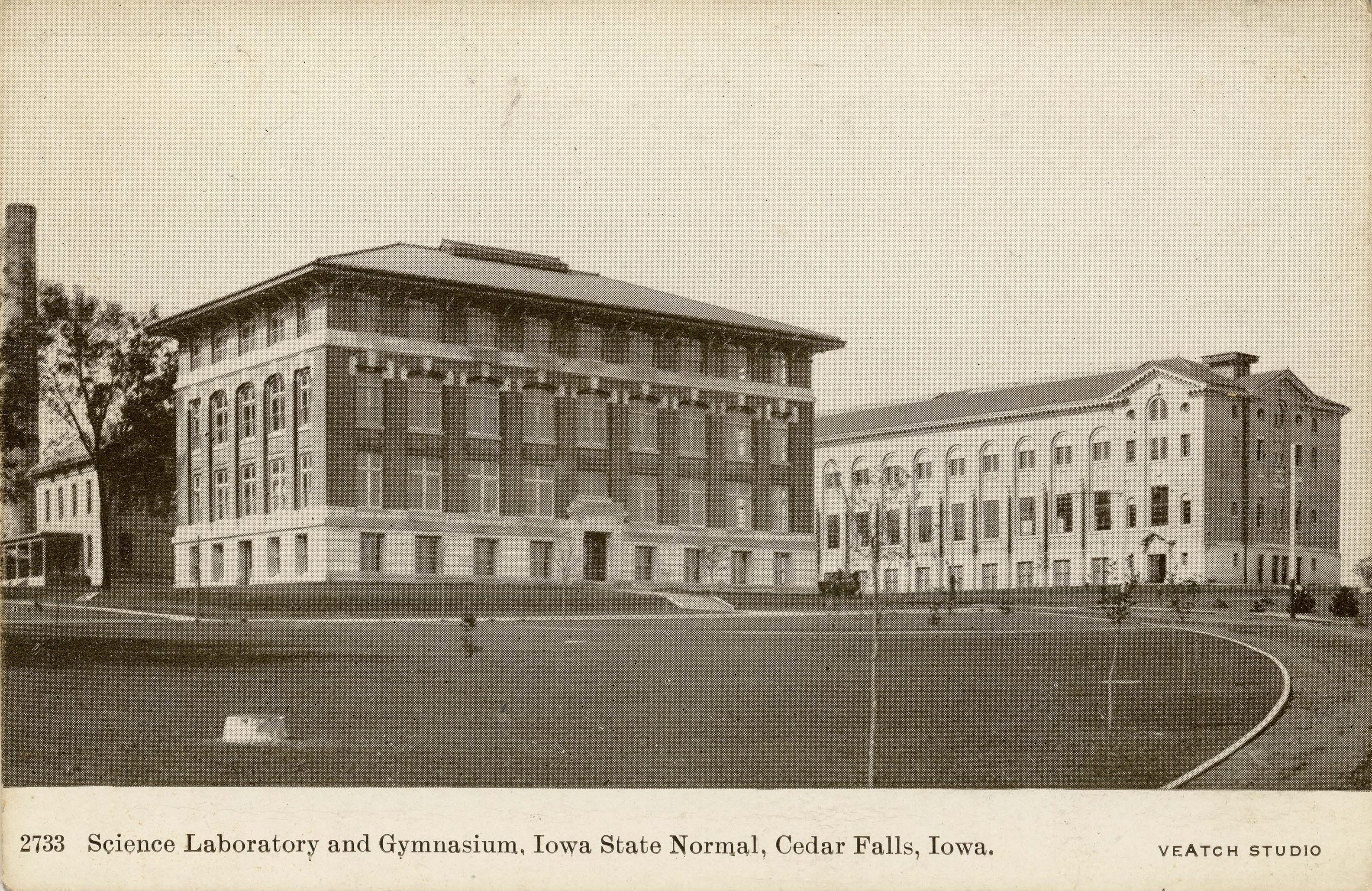


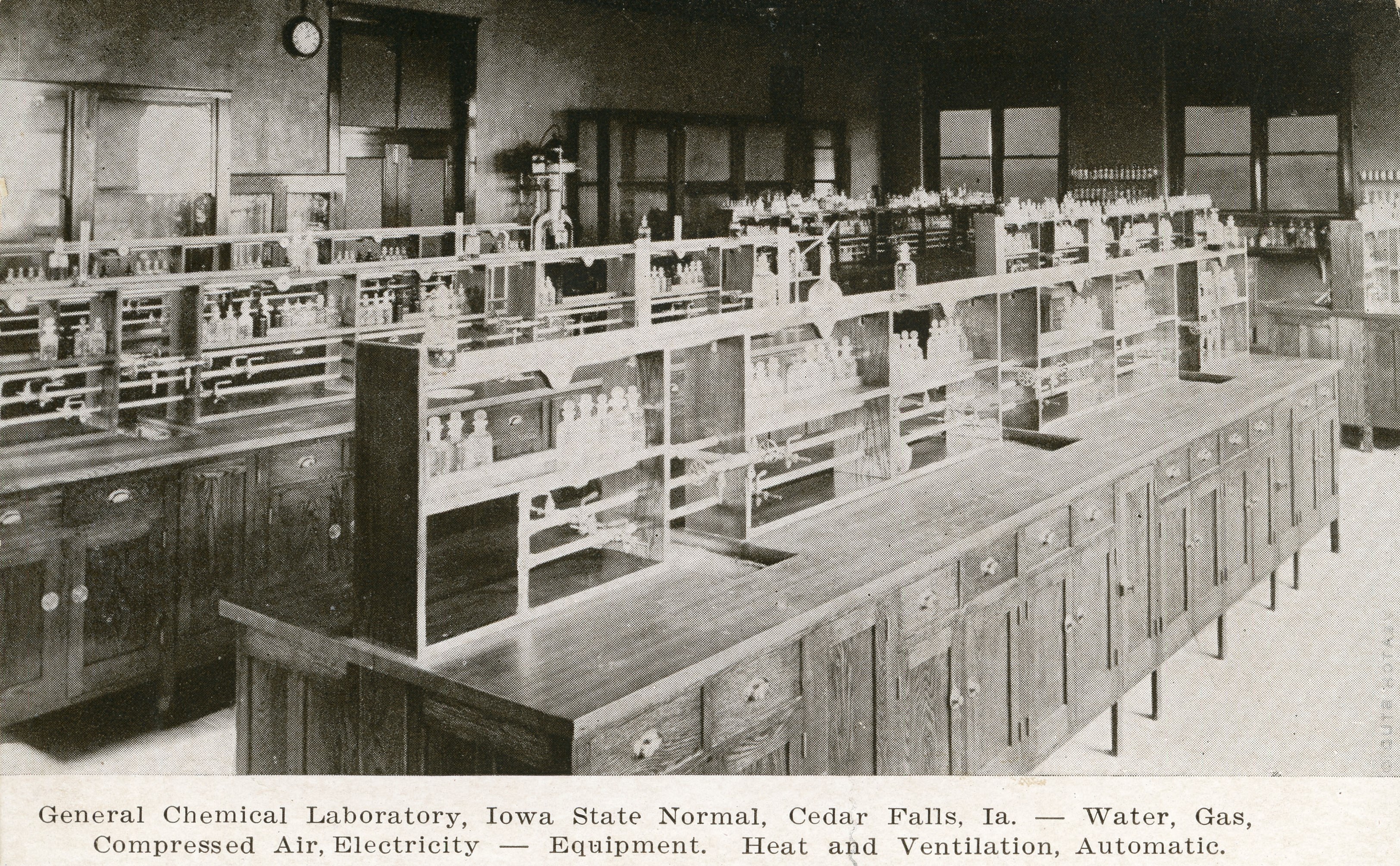
President Seerley was justifiably proud of the new facility. He wrote, "The new Science Laboratory is a very superior building in every respect and is completely equipped to prepare teachers of physics and chemistry for high schools as well as to give instruction to other students in these important sciences." He believed there was "no better laboratory in the United States where the purpose is to give instruction in these branches." He stated this "remarkable building and its equipment put the Normal School among the most progressive schools in the entire country."
The 1908 Old Gold yearbook includes a 10-page essay with photographs which describes the new building’s layout and equipment. The first level was occupied by the geography faculty. The second level included physics laboratories, with a general laboratory, advanced mechanical laboratory, electrical laboratory, light and sound laboratory, and photographic laboratory. The third level, which physics shared to a limited extent with chemistry, included classrooms, offices, and an apparatus room. The fourth level was devoted to chemistry, including a nicely equipped classroom, general and qualitative analysis laboratory, and quantitative laboratory.
The Class of 1908 had fun with the new building at their Halloween party in October 1907. They arrived at one of the old buildings for the party, but a ghost directed them to the Laboratory Building. There, another ghost pointed them toward the utility tunnel, through which they had to walk or crawl to reach the party scene. Ghosts and skeletons frightened them along the way. This party was so successful that the classes of 1909 and 1910 had similar parties. In a more formal occasion, the school had the opportunity to show off its new facilities on May 1-2, 1908 when the Iowa Academy of Science met on campus for the first time in its history. A highlight of the meeting was a lecture by Professor Chamberlain on "The Old and New Theories to Account for the Origin of the Earth."
The driveway north of the Laboratory Building was graded in 1909 and paved in 1910. The first significant modification to the building occurred in 1925. To accommodate increased enrollment in chemistry, caused to some extent by a requirement that Home Economics students take six hours in the field, the large lecture room was partitioned into a smaller lecture room and a laboratory. The laboratory for advanced work was increased in size by 50%. A new stockroom and a dispensing room were part of these renovations.
After twenty years of service, the Science Building was still considered a model facility and was featured in a 1927 issue of the Wiley Bulletin. In early 1931, much of the building's interior was re-painted and redecorated. New electric light fixtures were installed in summer 1935.
An article in the 1946 College Eye newspaper surveyed the Science Building’s arrangement. Classrooms on the first level were devoted to biology, specifically vocational agriculture. The second level included physics laboratories. The third level had mixed purposes; it included a science library, physics laboratories, and a physiology room. The fourth level was devoted to chemistry.
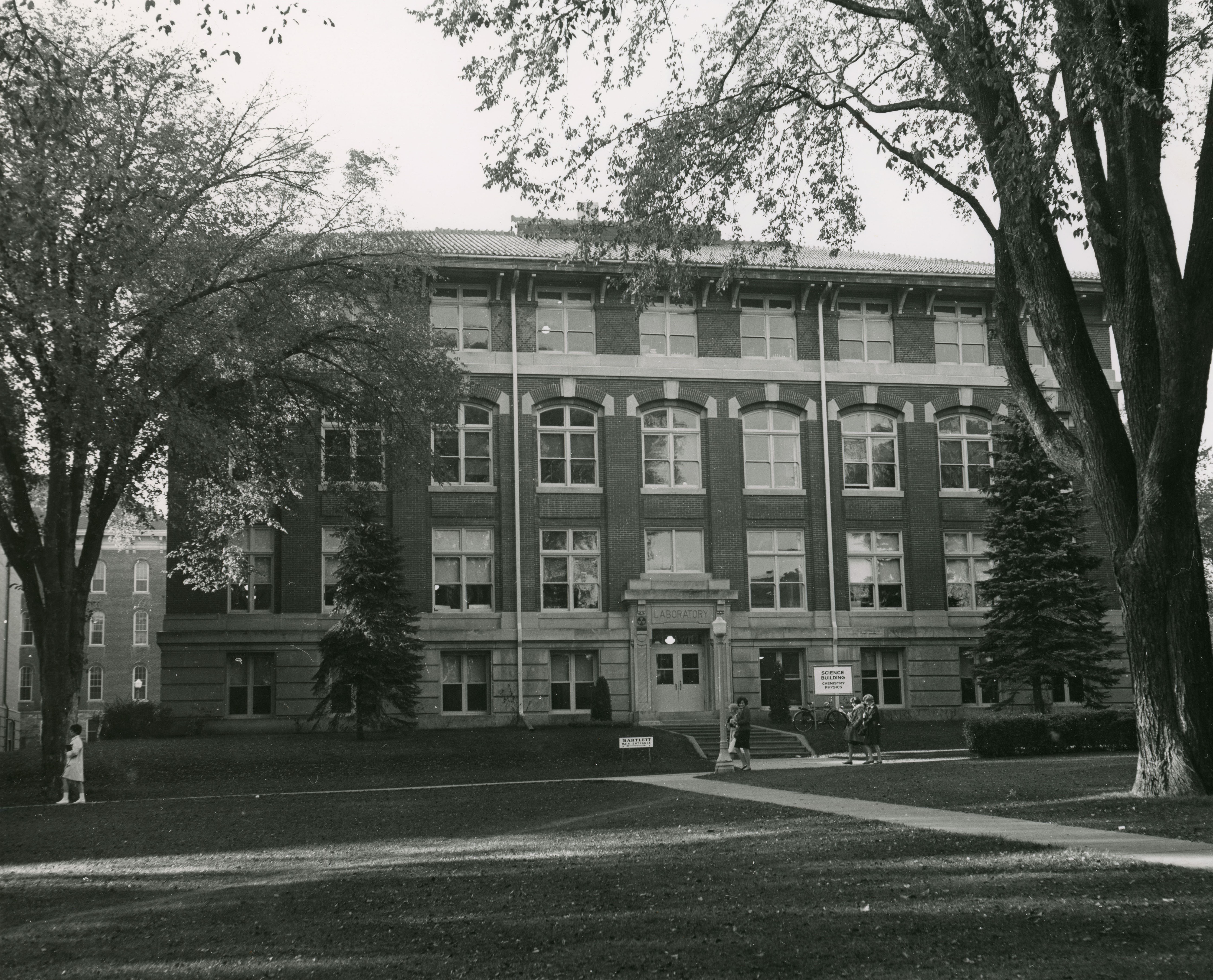
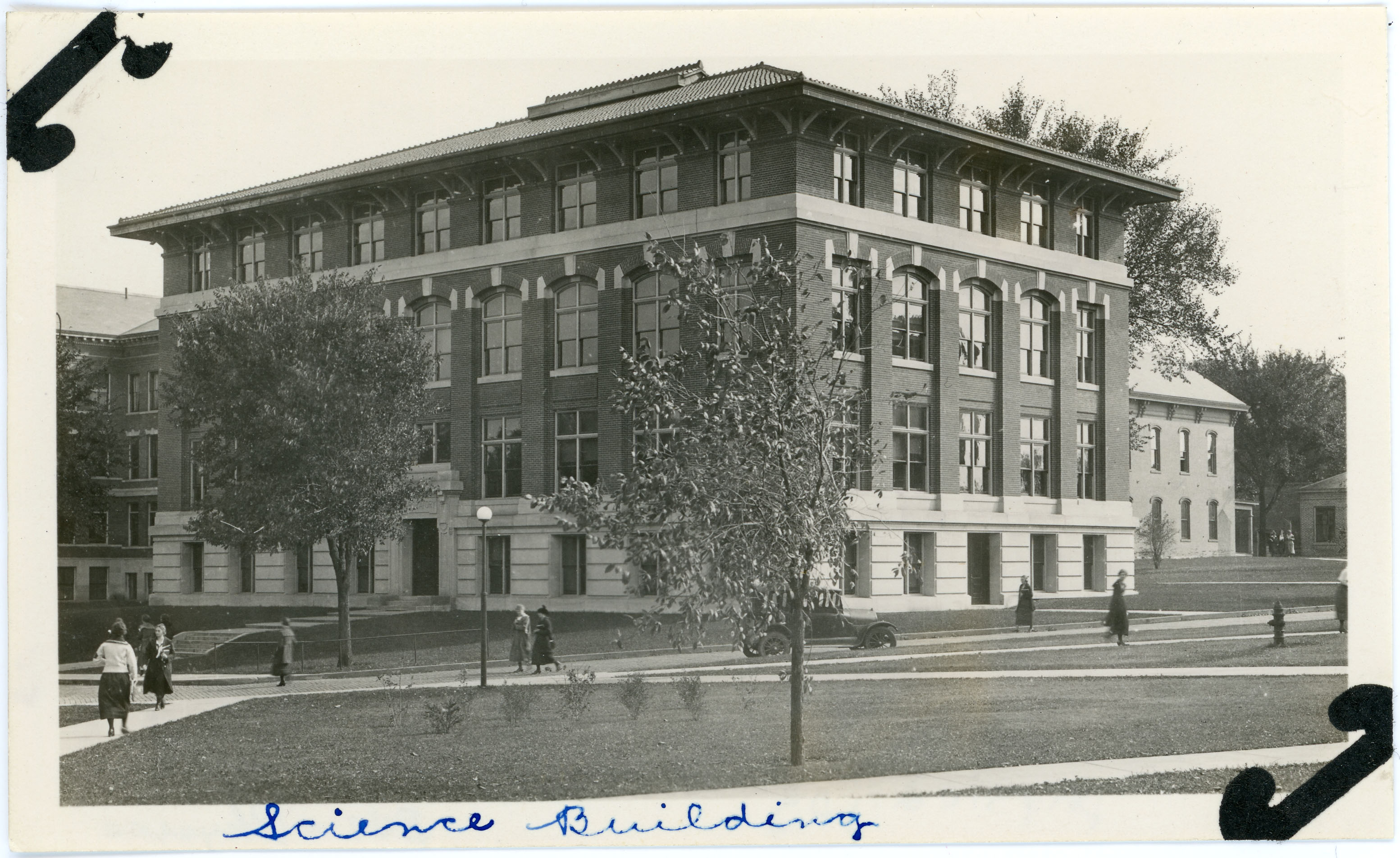


In 1956, the school began to plan for the extraordinary increase in enrollment Baby Boomers would bring in the mid 1960s. At a Kappa Delta Pi meeting in July 1956, Registrar Marshall Beard, who would become the school's first facilities planner, outlined his vision for the future. Among those plans was an addition to the Science Building. Those plans changed in 1962 when the Board of Regents decided to ask the 1963 General Assembly for $1.775 million to construct a new science building. Funding was slow to appear, but by 1966 there was enough money from appropriated funds and grants to begin construction of what is now McCollum Science Hall. After completion in summer 1968, chemistry classes and about 75% of biology classes moved to the building. Physics classes remained in the old Science Building.
At one time, there were plans for all science classes to be held in or near the new science building. Proposals included a “physics tower” east of the building and an addition on the west side to house a museum and classrooms for geology and science education. However, these did not materialize.
In January 1975, the Regents approved a $60,000 remodeling budget for the Physics Building. In 1980, an elevator was added in a separate structure connected to the west side of the building. This structure greatly improved accessibility, but its stark limestone facing looked out of place next to the traditional red brick style of the Physics Building. In 1983 the Regents approved a $108,000 contract for window improvements and a $37,000 contract for tuckpointing of the building.
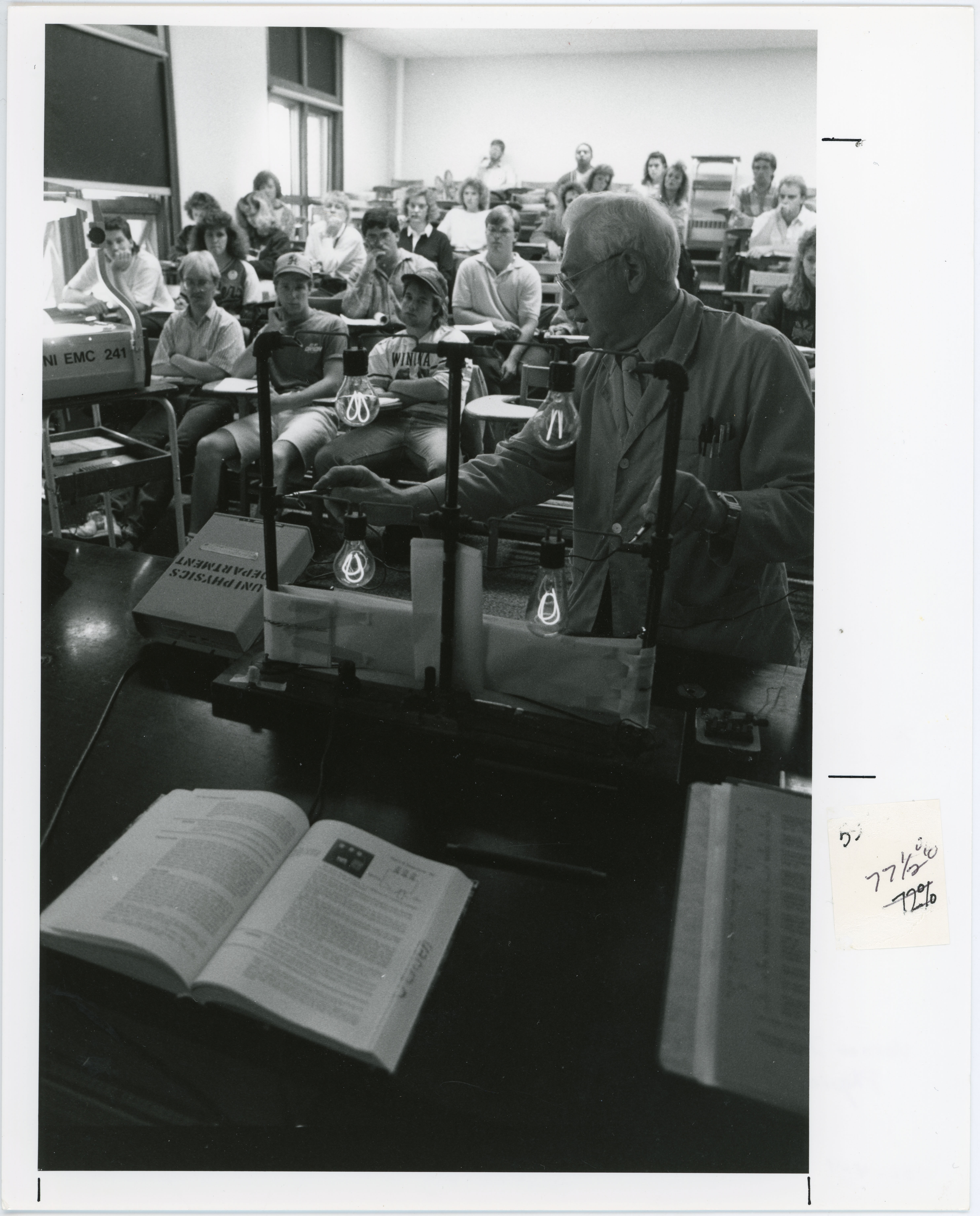
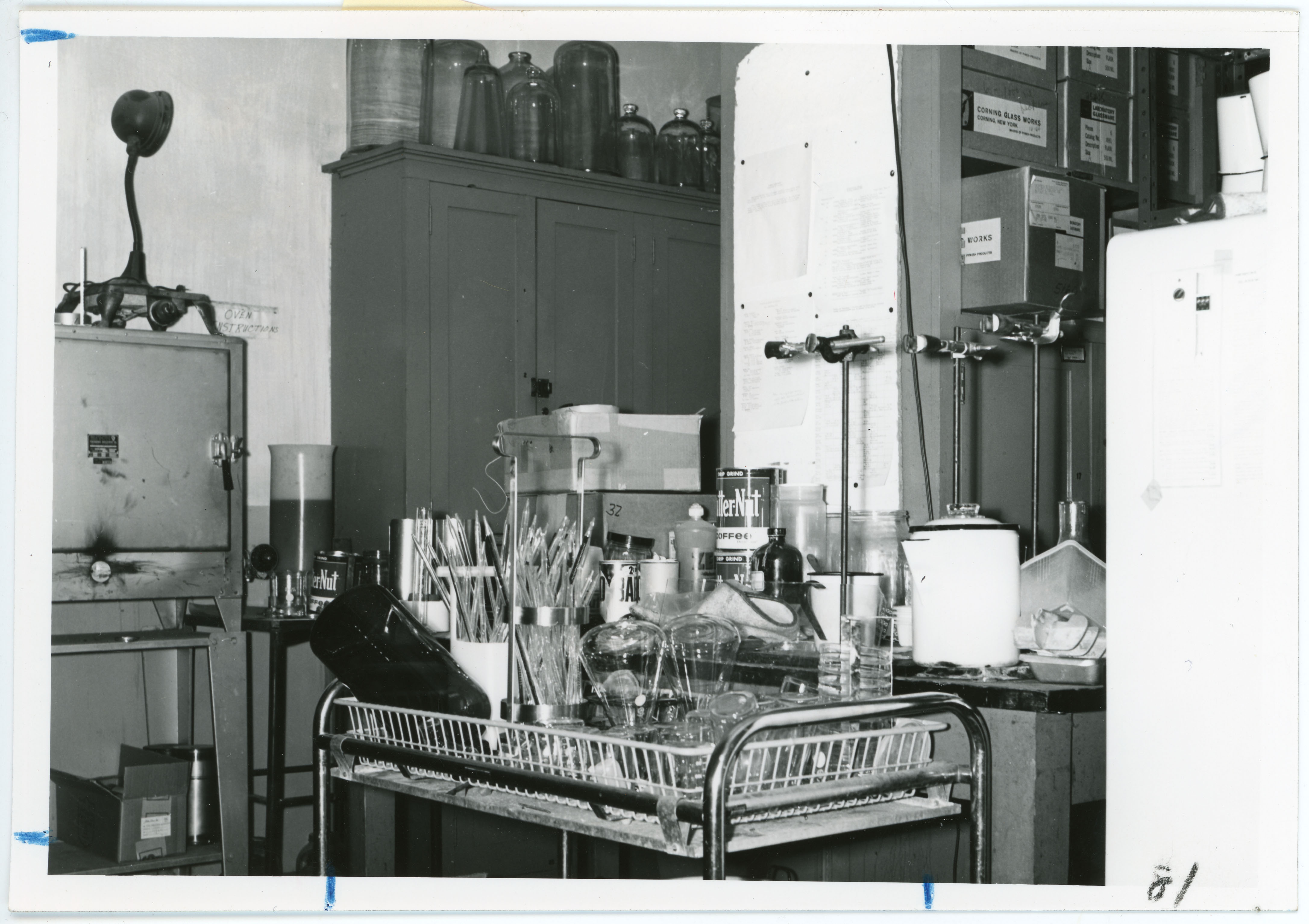

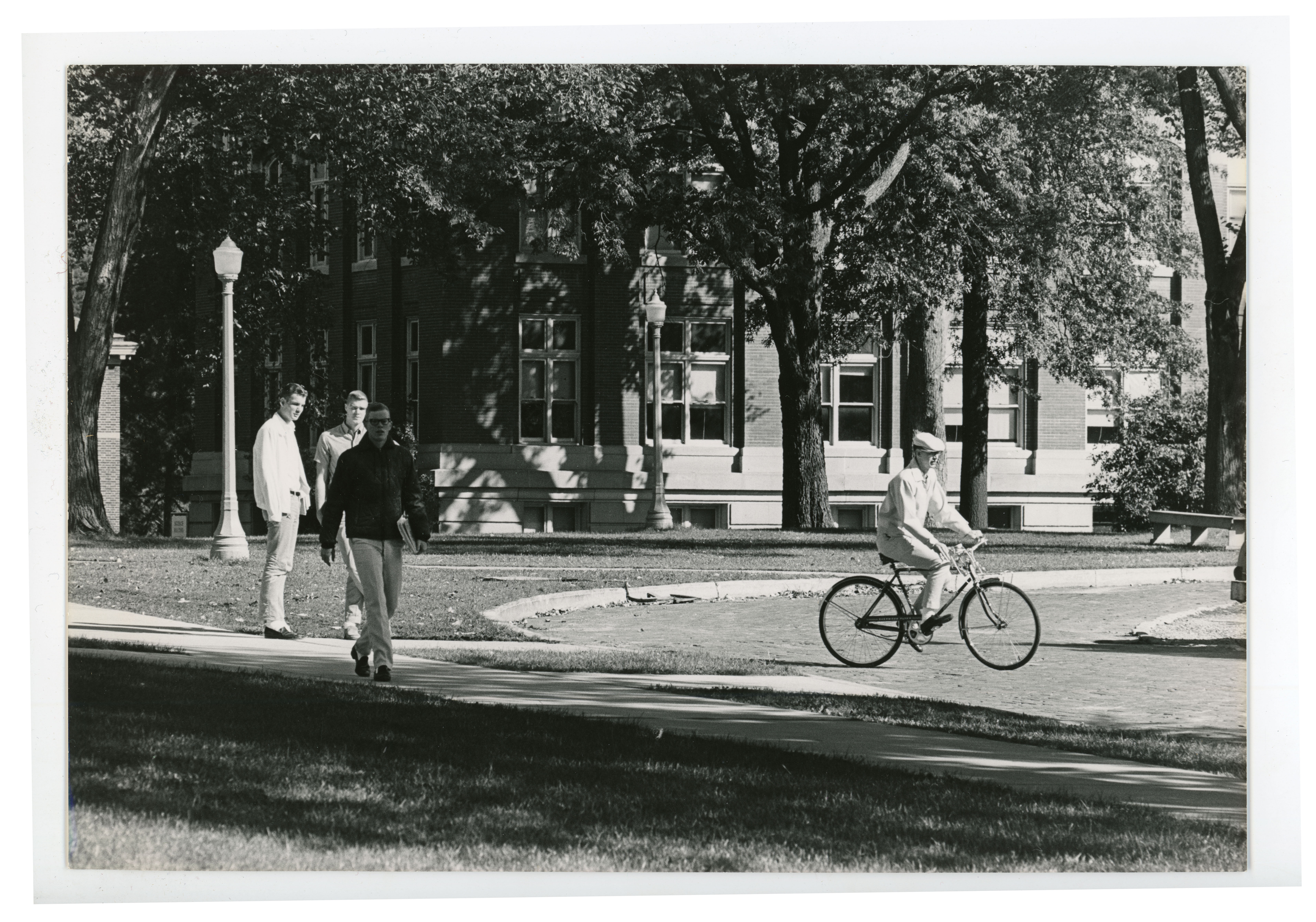
By 1993, the Physics Building appeared on the Board of Regents' Five Year General Fund Capital Program for a $3.5 million remodeling project. In 1995, the Regents approved the inclusion of $300,000 for Physics Building renovation planning for fiscal year 1998 on their capital improvements list for the General Assembly. By 1996, the Physics Building, with a budget of $3.9 million, had reached the eighth spot on the Regents' priority list.
After work on Lang Hall and the East Gymnasium (now the Innovative Teaching and Technology Center) was completed, administrators advocated again for the Physics Building. Director of Facilities Planning Morris Mikkelsen stated, "The physics project is one of the top priorities for requested renovation funding from the state...Hopefully that will be the next renovation project for the campus." President Koob pressed the case: "The Physics Building appears today the same as it did when I attended classes there 44 years ago, and it appeared old and in need of renovation at that time."
The 2004 General Assembly allocated enough money to fund the Physics Building renovation project, as well as work on McCollum Science Hall and Russell Hall.
The Physics Building underwent a major renovation as part of Phase 1 of the Science Buildings Renovation Project, which also included improvements in the Greenhouse and McCollum Science Hall. The Board of Regents approved schematic plans for the Physics Building project in August 2005 and work began in April 2006.
To prepare for the renovation, in summer 2005 classroom equipment was moved to the Center for Energy and Environmental Education (CEEE), where first-year and sophomore physics classes were offered in the fall semester. Heavy equipment and the department office moved to the CEEE in December 2005. In March 2006, physics faculty offices moved to Baker Hall and Sabin Hall. Upper-level physics classes were taught in Sabin Hall.
During the project, the main entrance to the Physics Building was moved from the north side of the building to the south side, facing the center of campus. A loading and delivery dock was built on the north side. The elevator tower was demolished and a new elevator was installed inside the building. An elevated walkway connected the Physics Building and Lang Hall.
At the June 2007 Board of Regents meeting, the University requested the Physics Building be named in honor of Louis Begeman. Professor Begeman joined the faculty of what was then the Iowa State Normal School in 1899. He participated in significant research with Nobel Prize winner Robert Millikan at the University of Chicago. Begeman was head of the Department of Physics from 1908 until his retirement in 1935.
The Department of Physics moved back into the Physics Building in fall 2007 when the project was substantially completed. The building was re-dedicated as Begeman Hall in a ceremony on October 5, 2007. A number of Professor Begeman's descendants attended the ceremony.
Compiled by Library Assistant Susan Witthoft and Student Assistant Jennifer Grant; edited by University Archivist Gerald L. Peterson, July 1996; substantially revised by Gerald L. Peterson, with additional scanning by Library Assistant David Glime and research by Student Assistant Shanna Taylor, December 2006; updated January 28, 2015 (GP); photos updated and citations added by Graduate Assistant Eliza Mussmann, December 9, 2021; content edited by Graduate Intern Marcea Seible, April 2025; updated by Library Assistant Hannah Bernhard, January 2026.