
Strayer-Wood Theatre (1975)
In February 1968, the Ad Hoc Committee on Auditoria Needs under chair Stanley Wood recommended three new facilities: a coliseum seating 10,000; an auditorium seating 2,000; and a theatre seating 800. They became the UNI-Dome, Gallagher-Bluedorn Performing Arts Center, and Strayer-Wood Theatre. Wood said, “We consider all three types absolutely necessary, but feel most urgently needed are facilities directly connected with instruction and vital to the academic program.”
In 1969, UNI theatre alum Richard Devin (’66) wrote his master's thesis at Yale University analyzing the UNI theatre program and included schematic plans for a new building. In spring 1971, Wood used a professional development leave to visit and study college, university and professional theatres across the country. He studied architectural plans and talked with theatre personnel and audiences to learn what would work well in a new theatre. By late 1974, plans had emerged for a theatre seating 525 people. The seats would be on a steep rise, and the facilities would provide flexibility for various productions in a proscenium or thrust setting. UNI Director of Facilities Planning Leland Thomson credited Professors Wood, Jon Hall, Harvey Sweet and Terry Williams for their work with architects Brown, Healey and Bock of Cedar Rapids in planning for the building.
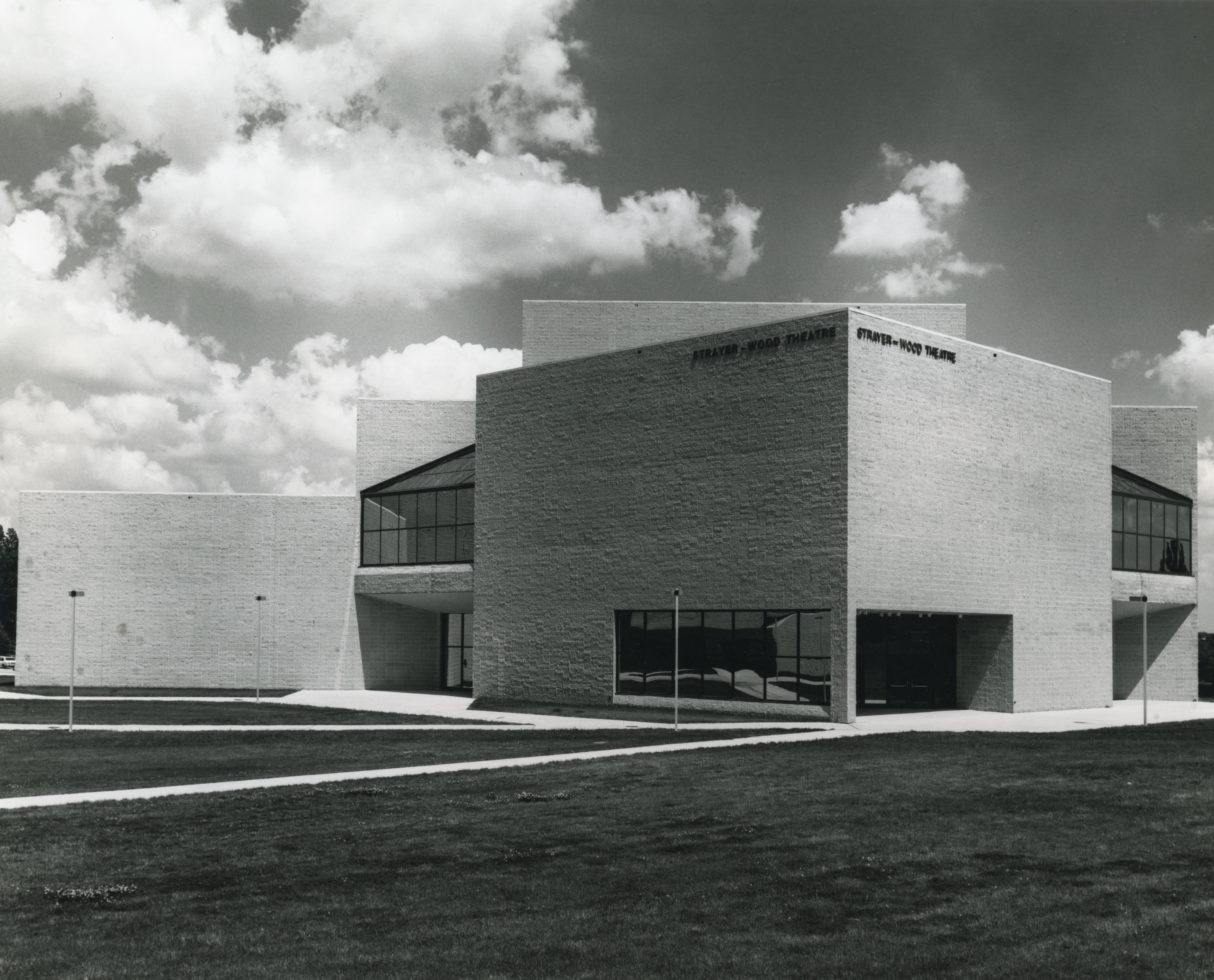
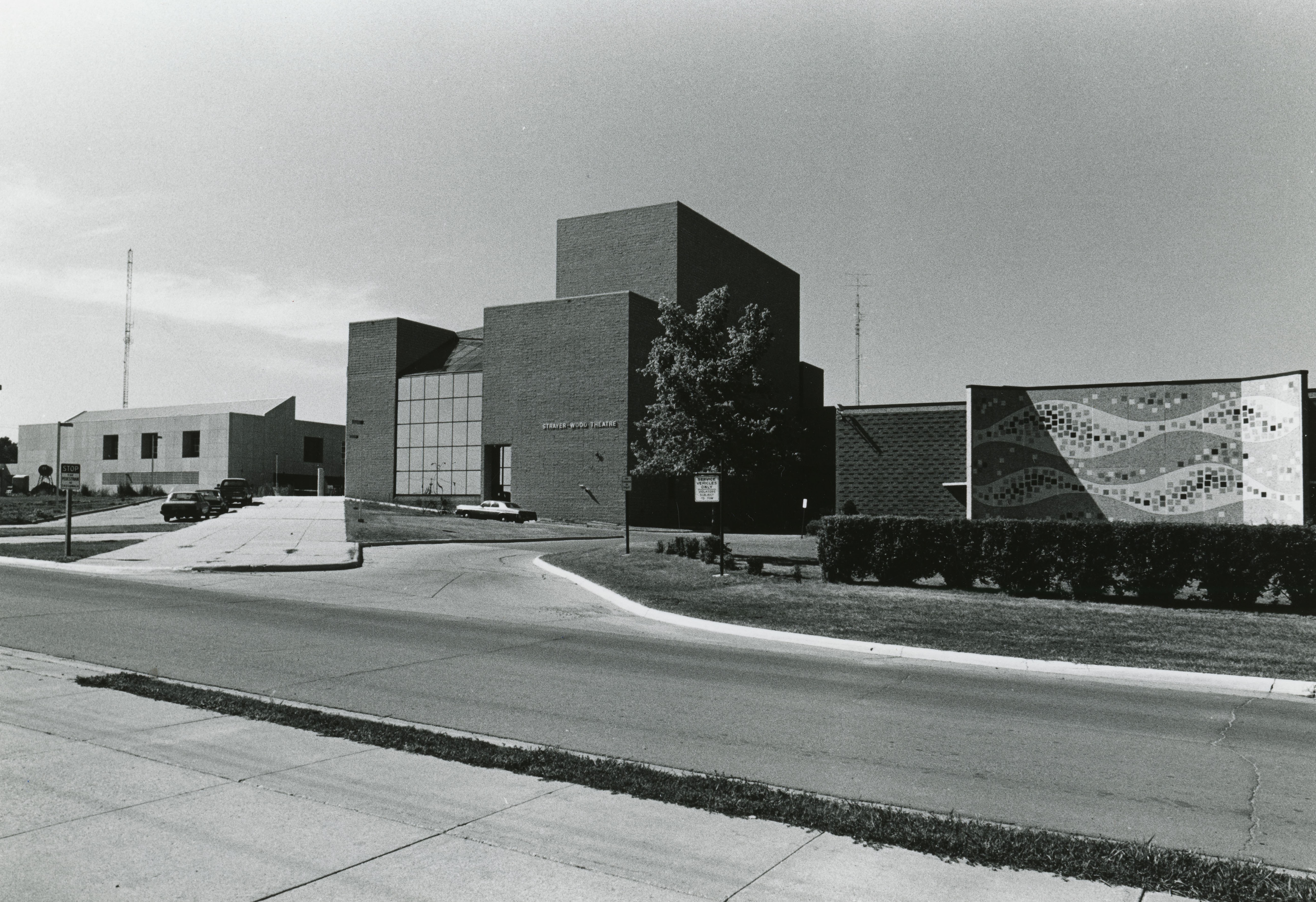
The theatre was part of Phase I of the Speech/Art Complex, which also included the Communication Arts Center to house facilities for speech pathology and audiology, speech, and broadcasting. Phase II would be the Kamerick Art Building. The original budget for Phase I was $4.564 million, but, when bids came in at $6.226 million, the Regents revised the plans and approved a budget of $5.154 million in September 1975. UNI officials hoped to restore the Phase I deletions in the Phase II. The Regents also approved naming the theatre building to honor Hazel B. Strayer, who led the theatre program from 1929 through 1956, as well as Stanley Wood, another long-term theatre director and speech faculty member.
Ground was broken for Phase I of the Speech/Arts Complex on October 6, 1975. Officials hoped the theatre building would be completed by fall 1977. Director of Theatre D. Terry Williams eagerly anticipated the new building. He believed the flexibility of the theatre would increase audience participation. The main theatre would seat 508 people, and the studio theatre, just 53 square feet, would allow for experimental productions. He also looked forward to the initiation of the Bachelor of Fine Arts degree which would be of interest to actors and designers who wished to continue their studies in graduate programs or go directly into professional theatre. To enhance the new building, the Class of 1977 donated funds to purchase a sculpture by UNI alumnus Michael Maniatis for the theatre lobby.
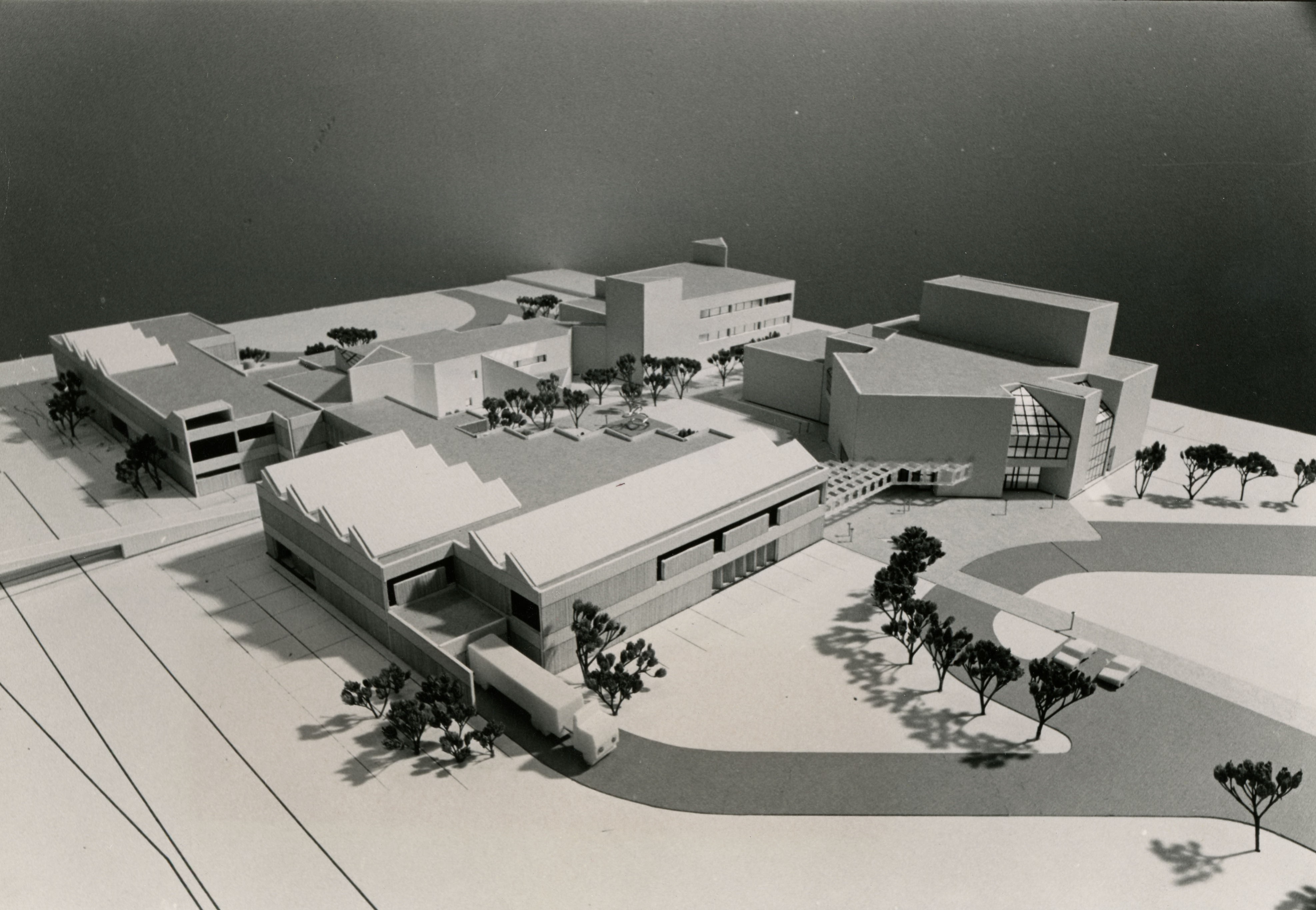
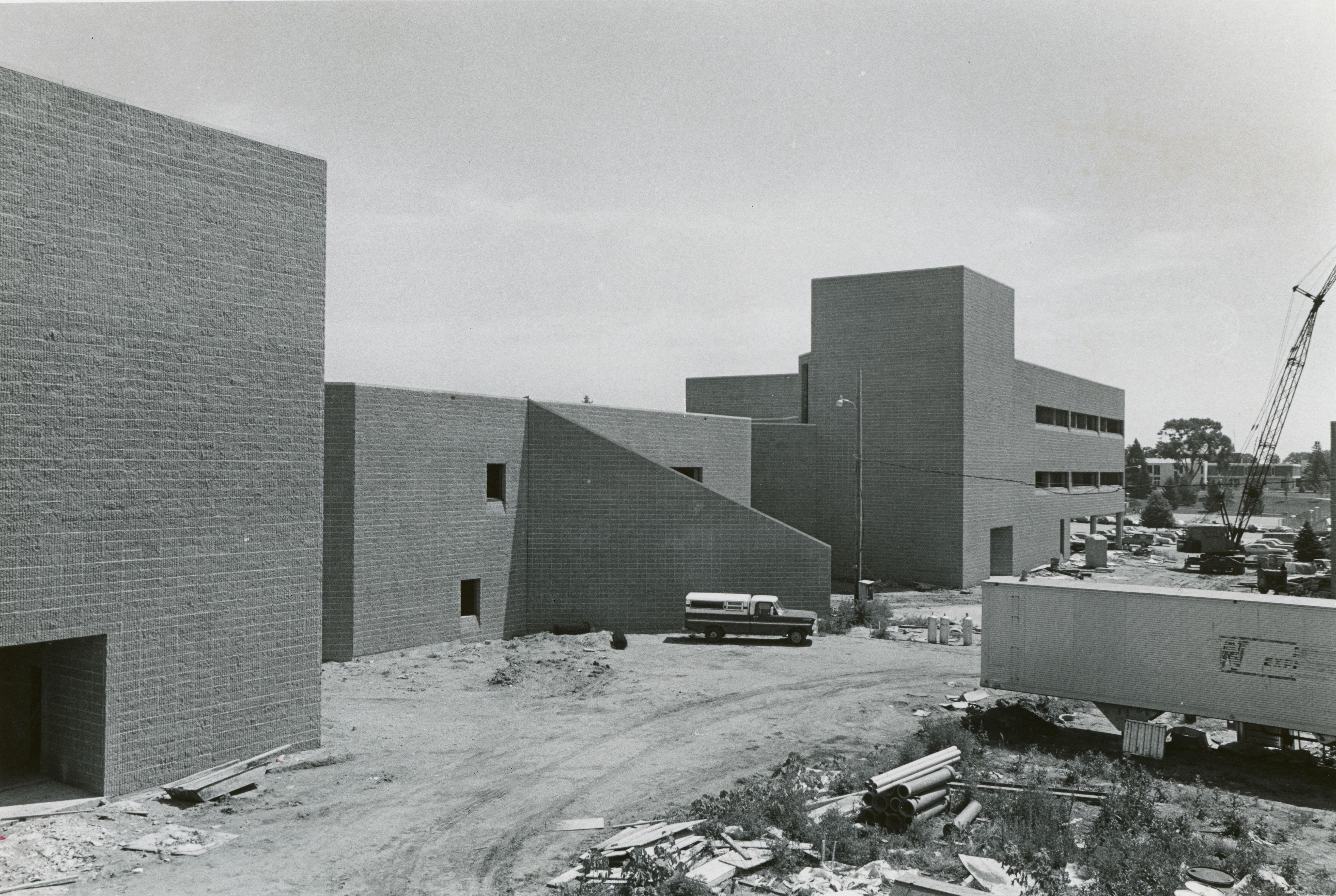
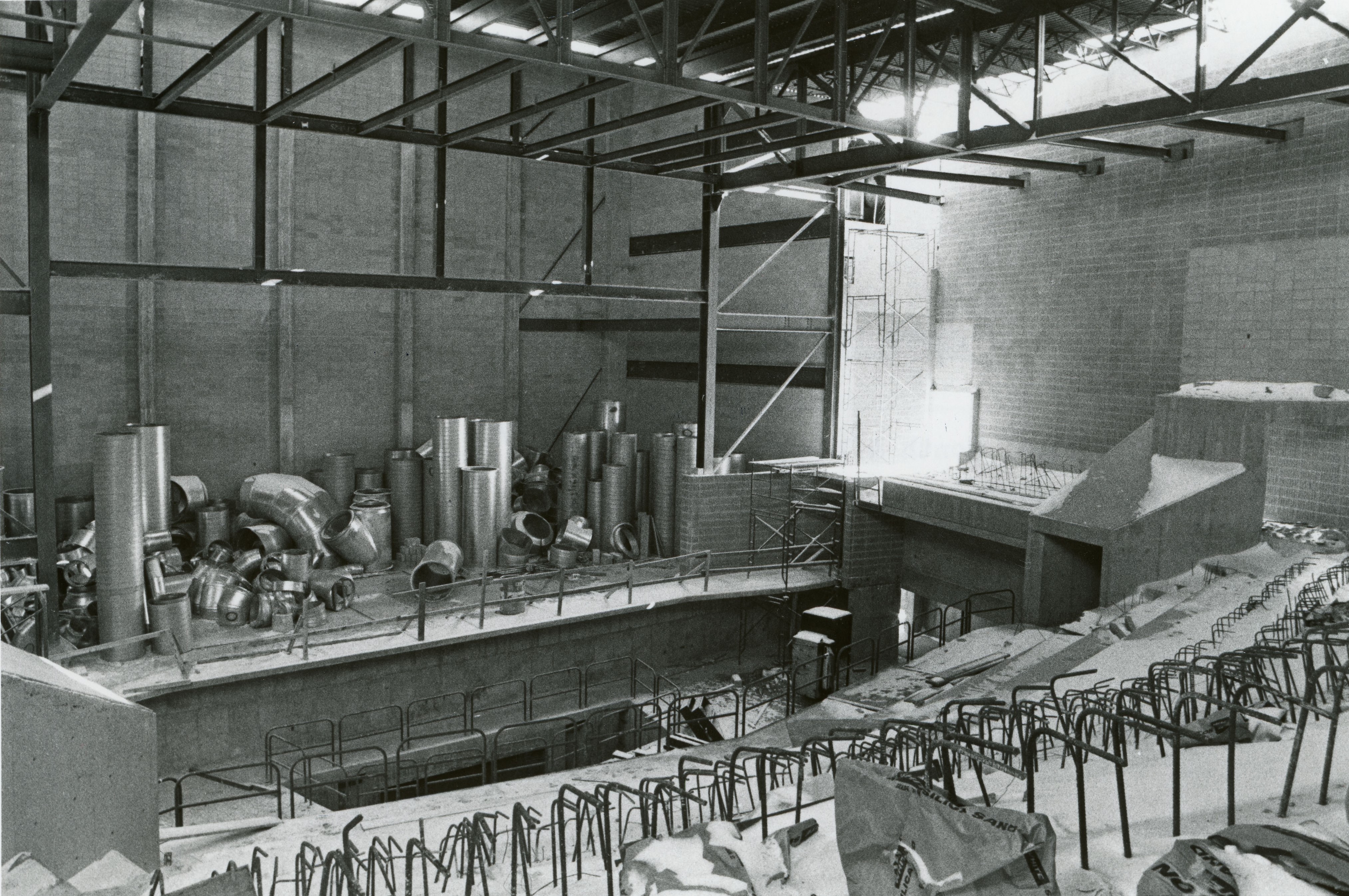
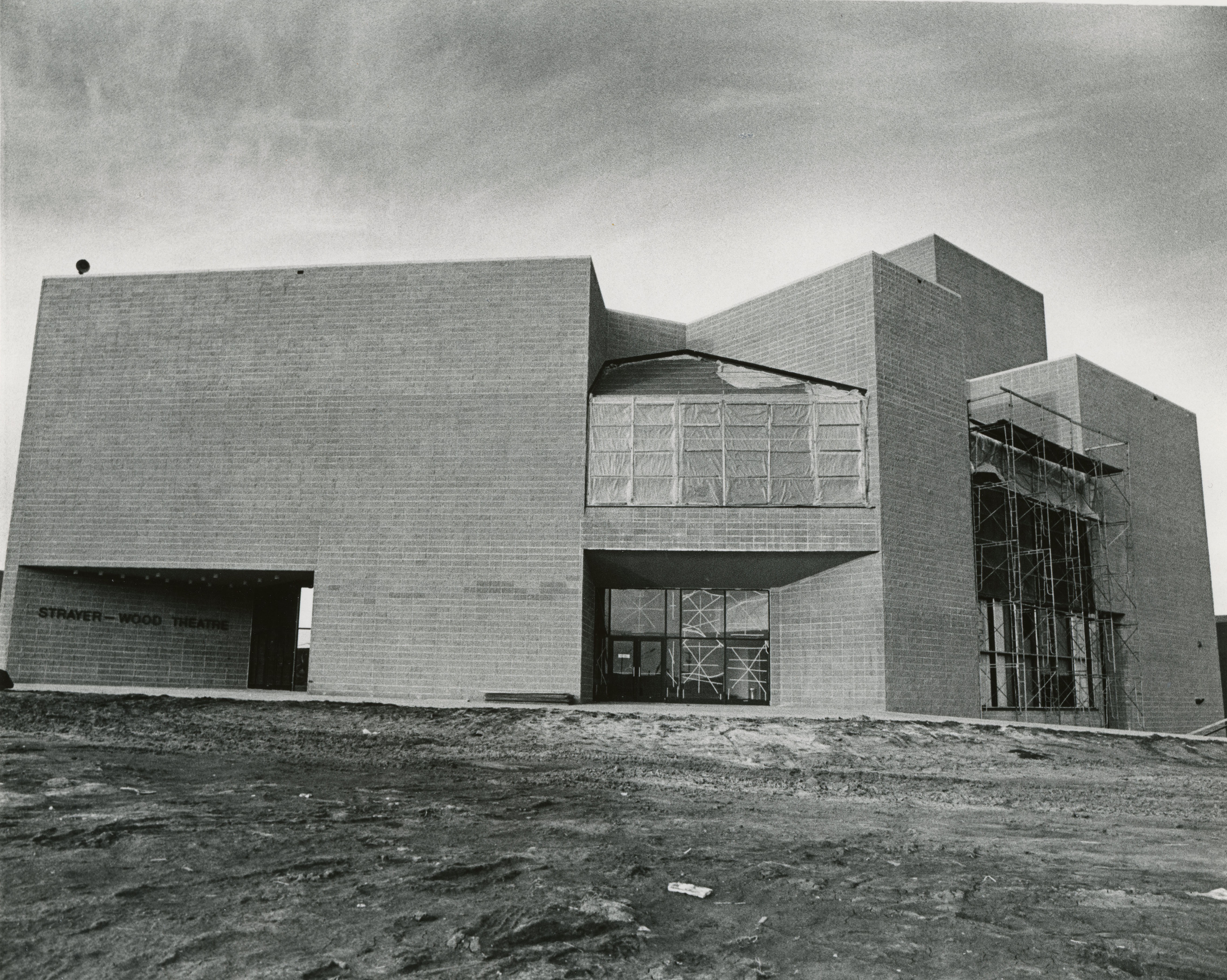
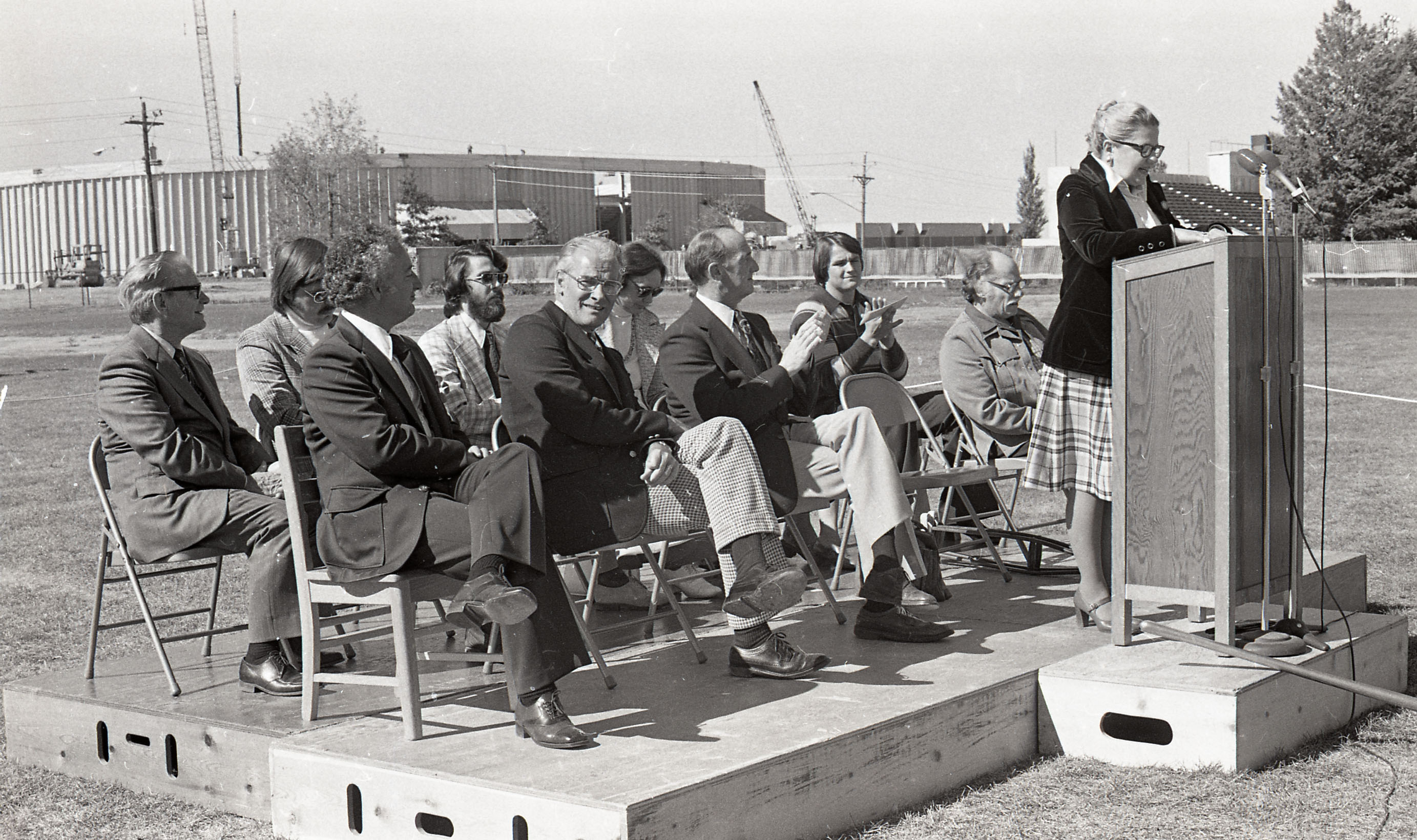
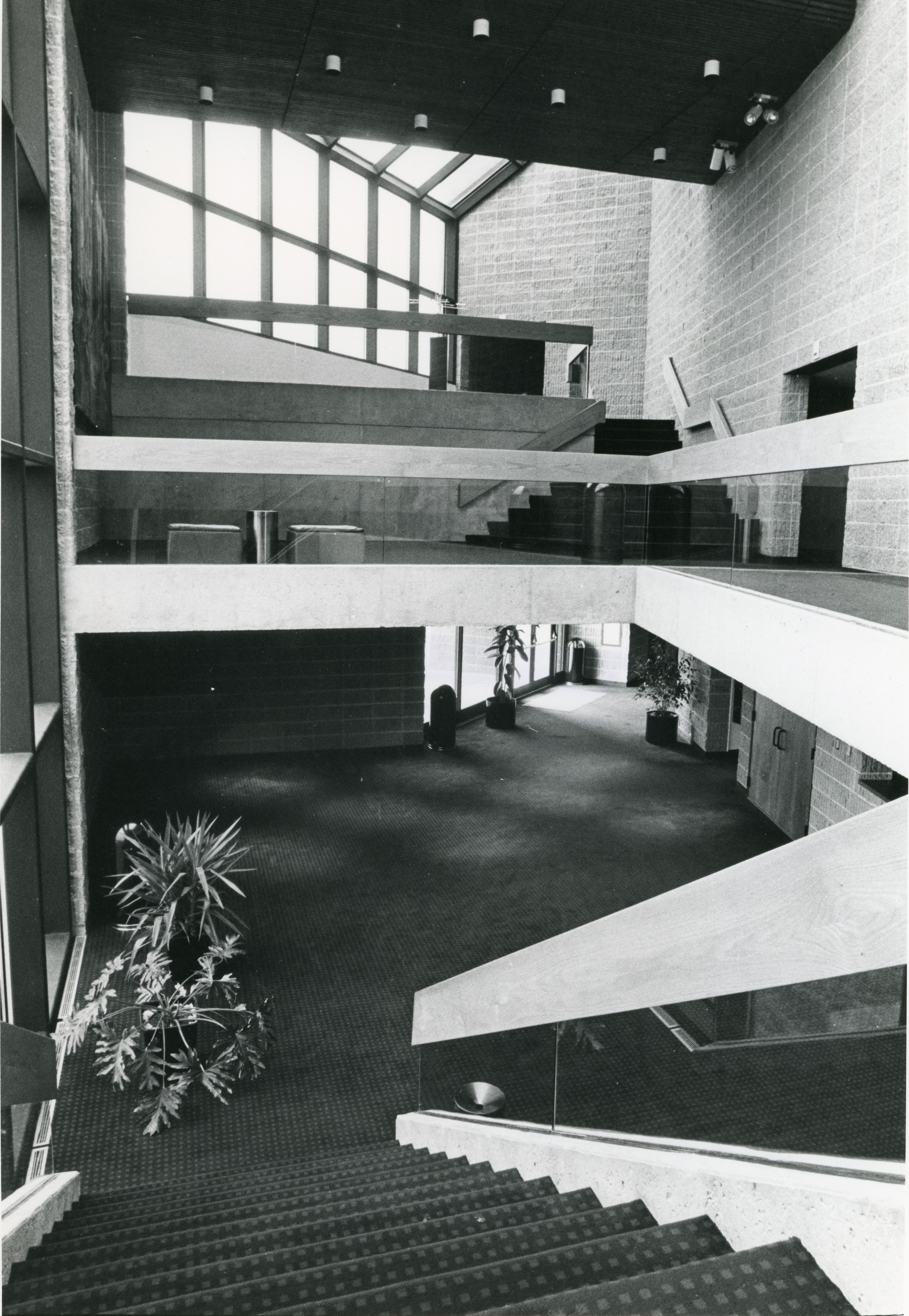
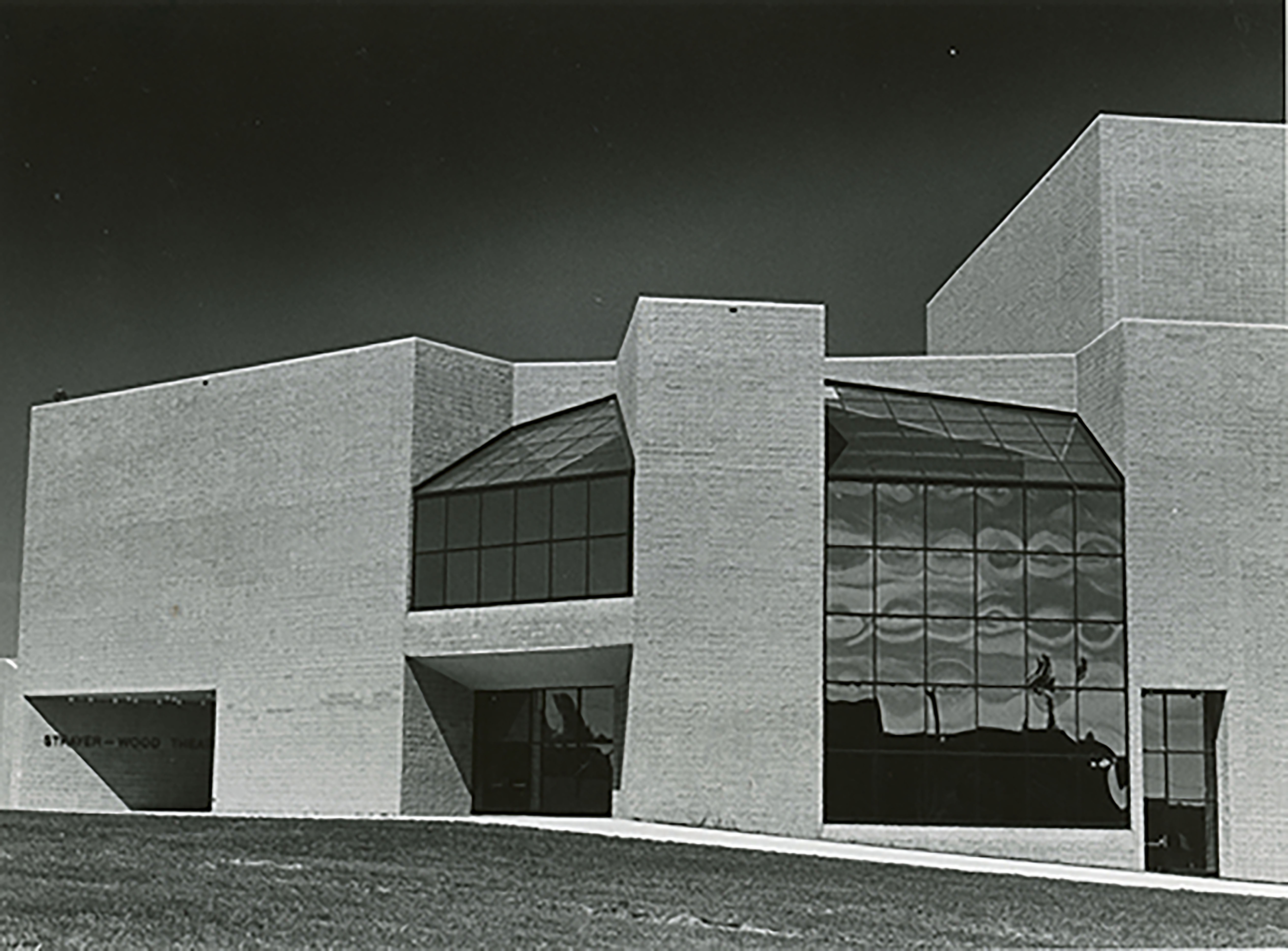
During winter break 1977, faculty and students moved props and costumes from the Auditorium Building (now Lang Hall) to the new facility. The final aspect of construction was installation of the skylights, which were slow to arrive due to their specifications. On February 15, 1978, the Strayer-Wood Theatre opened for its first production, "The Lion in Winter," under the direction of Professor George Glenn. Northern Iowan columnist Dan Rank found the new facility "spellbinding,” and discussed its complexity. The spring production season would build toward a gala grand opening production of "Cyrano de Bergerac," with guest artist E. Kerrigan Prescott in the lead role.
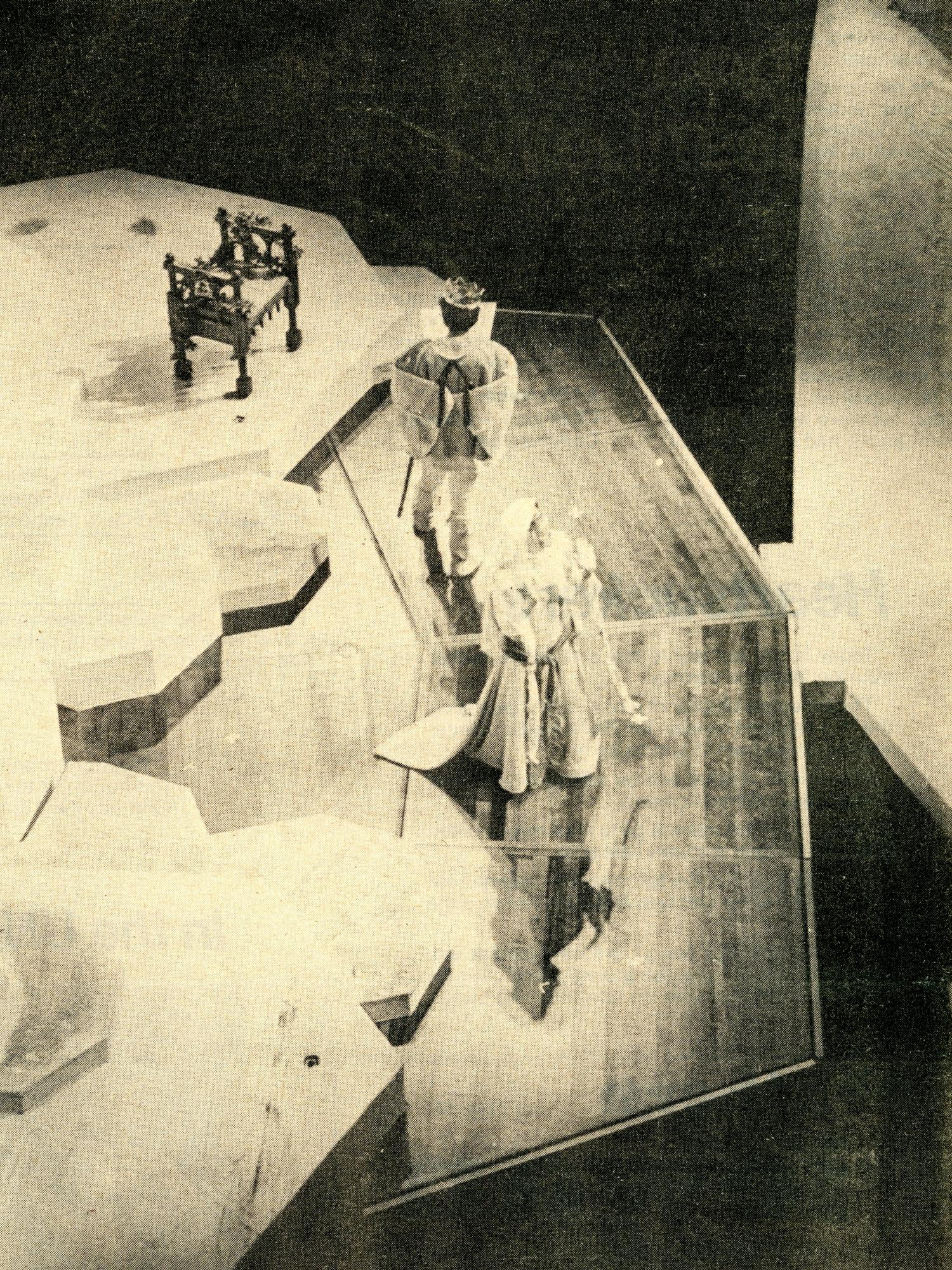
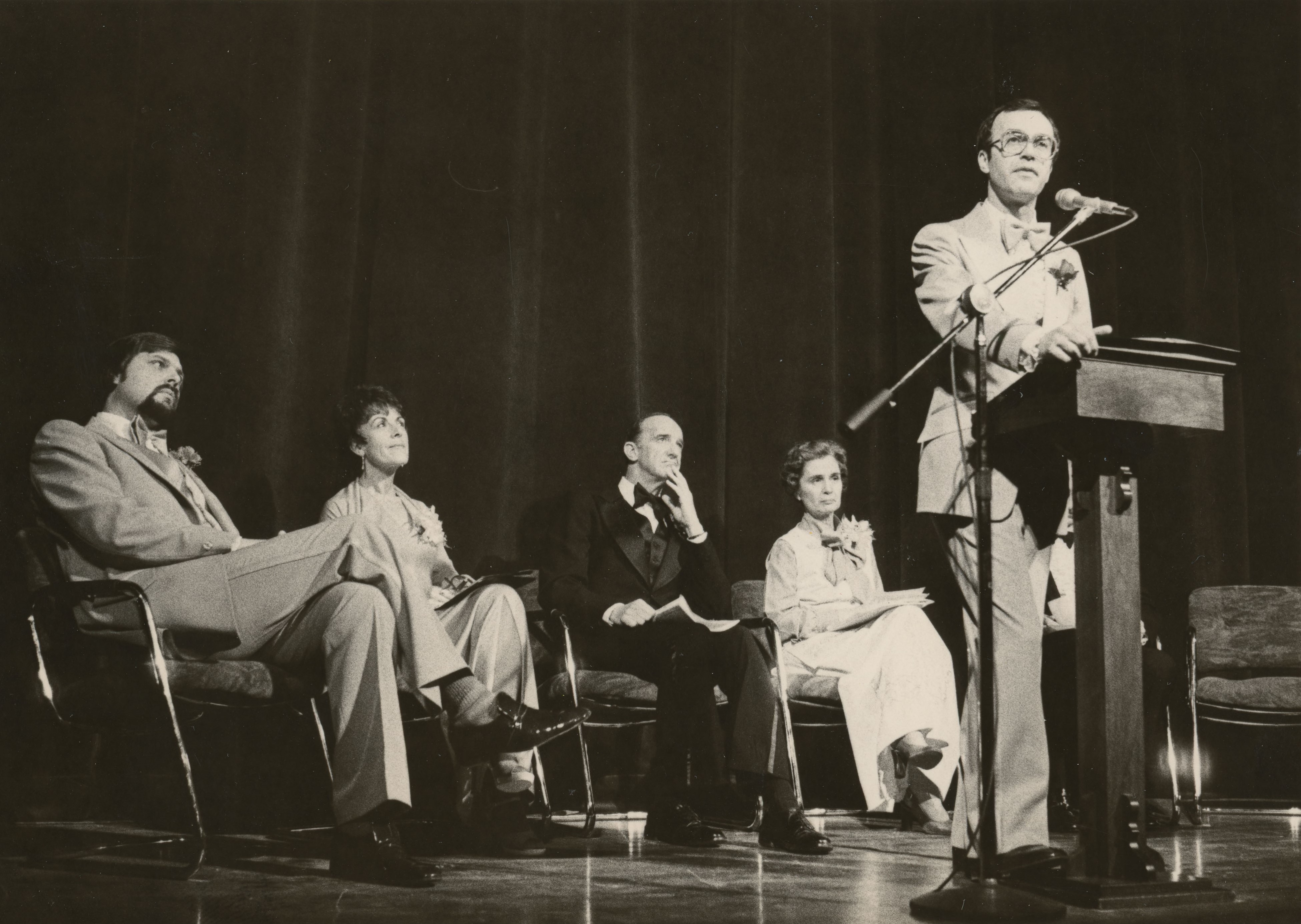
A year after the Strayer-Wood Theatre opened, Williams reflected, "It's the most unique theatre that I am aware of due to its flexibility. It's comfortable, plush--a theatre that works." Professor Jon Hall noted the building had created a great deal of excitement about theatre at UNI. He said, "We're tickled to death with the response from people who have come to see the facility."
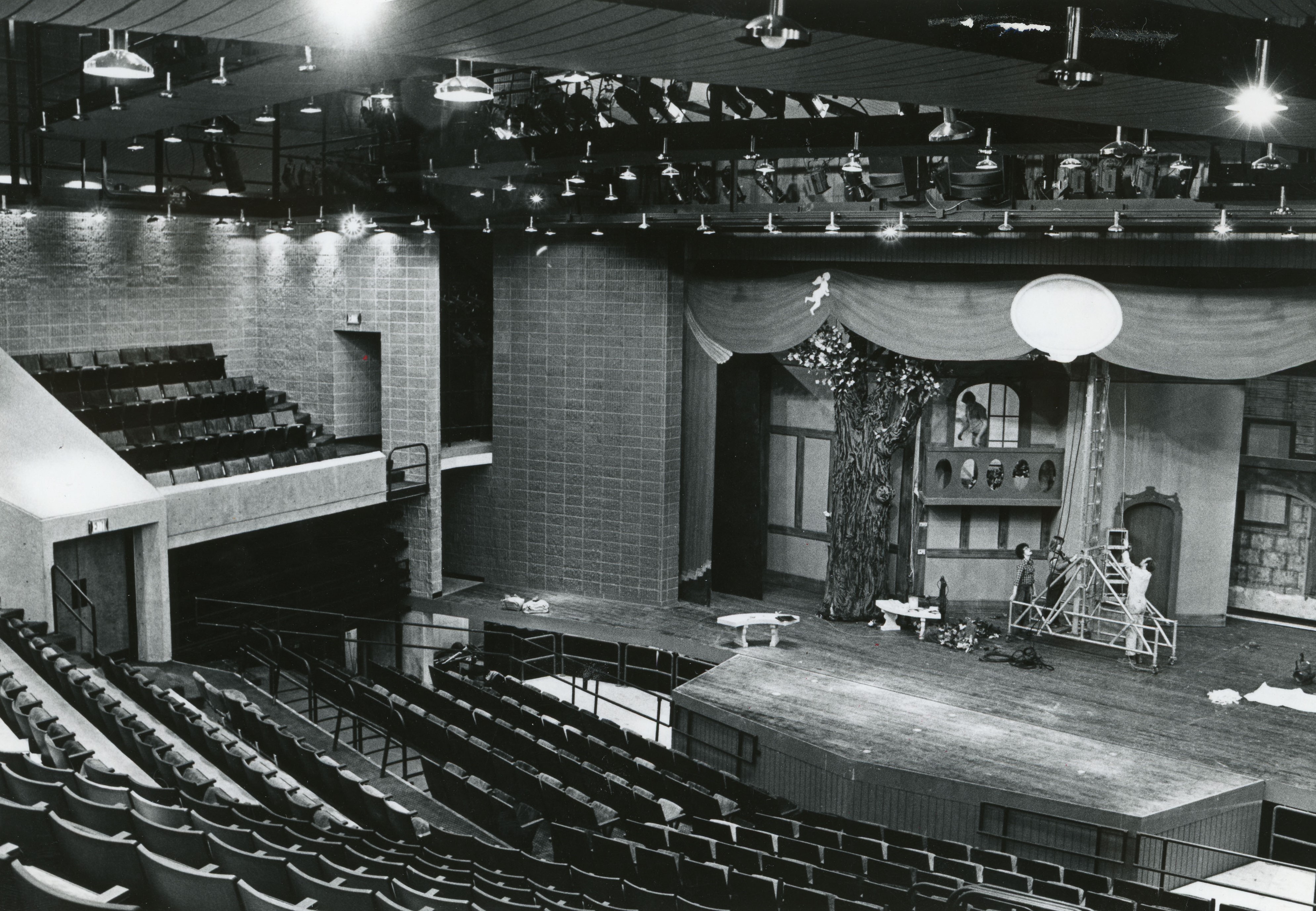
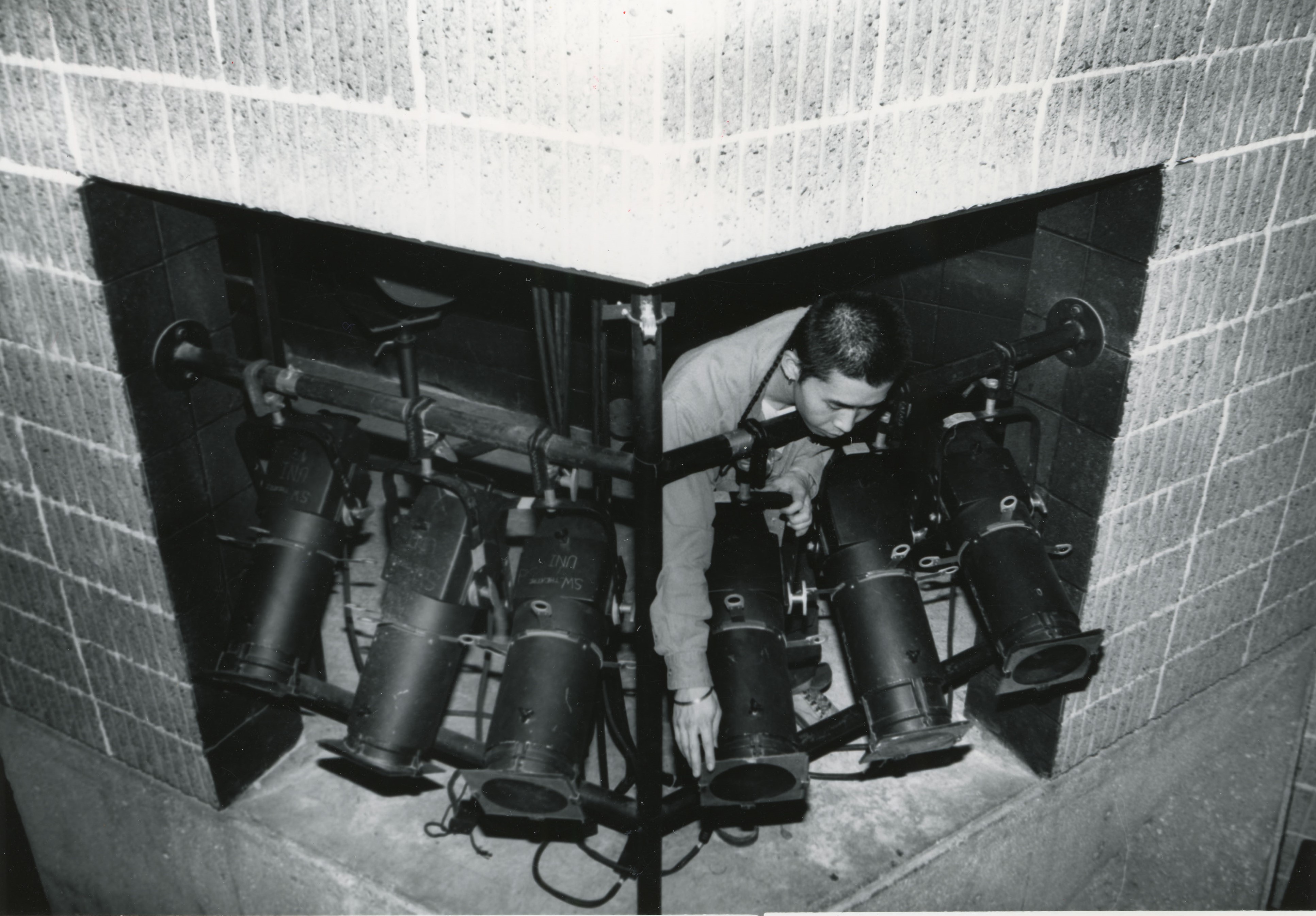
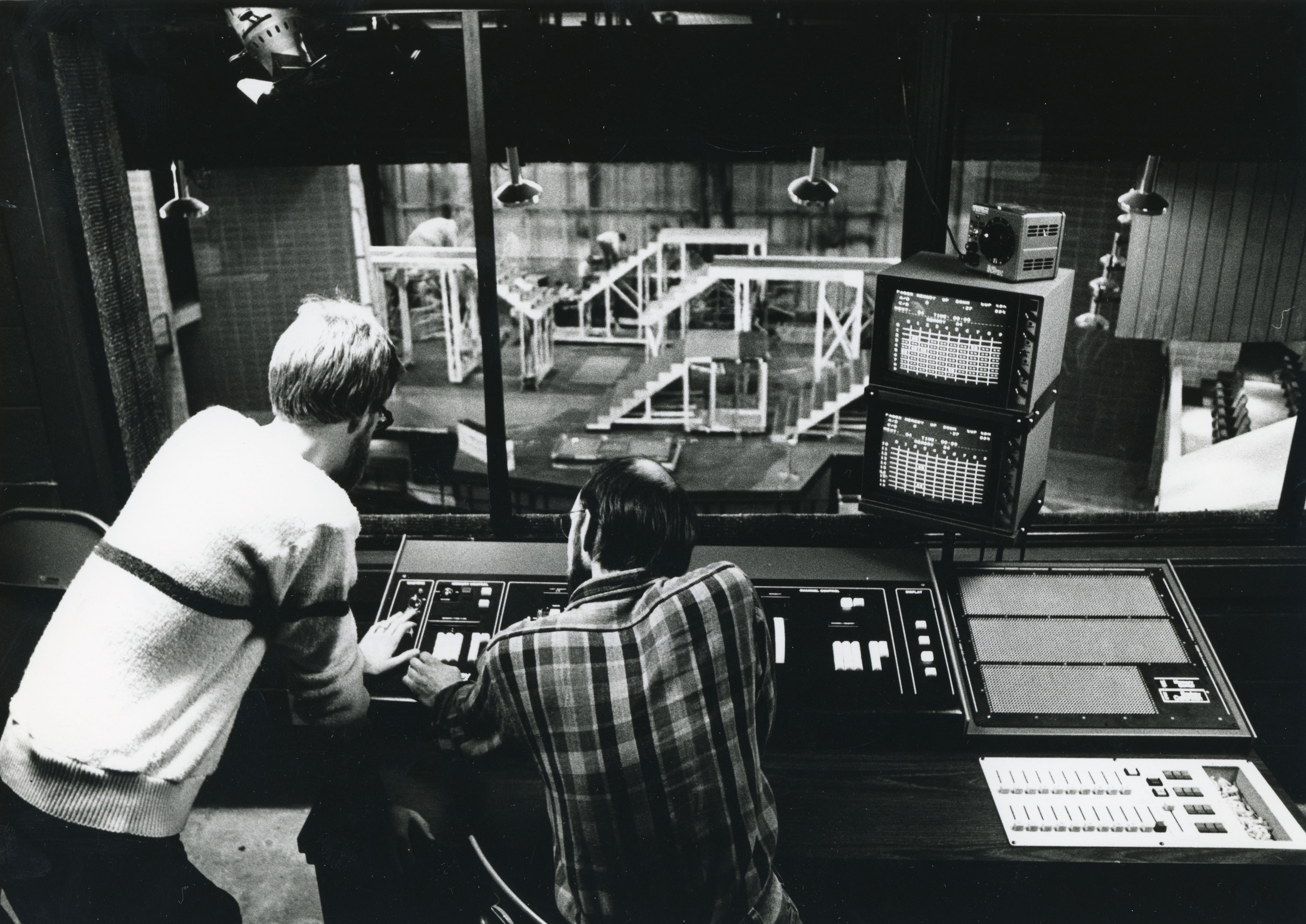
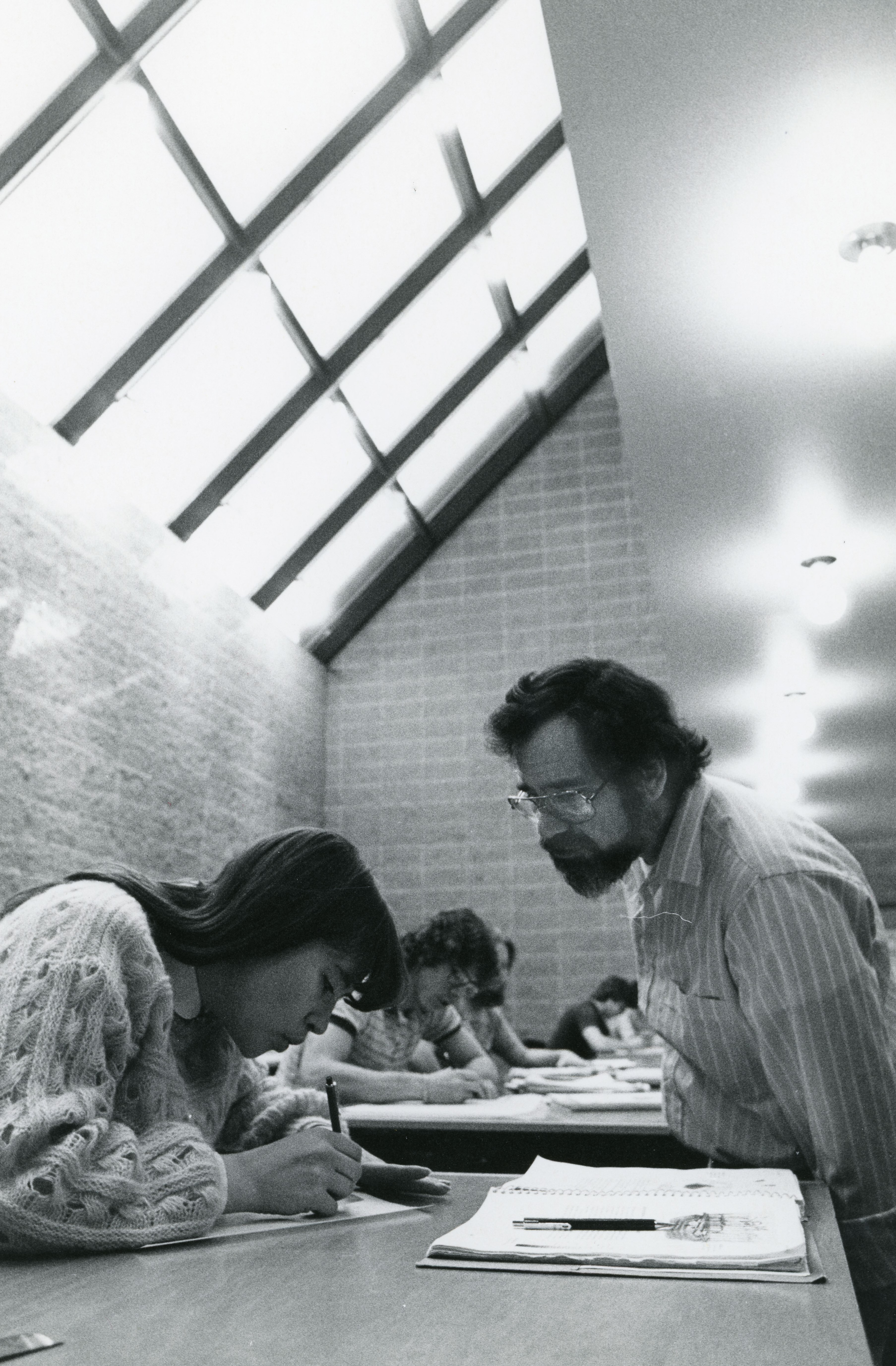
Strayer-Wood Theatre contains classrooms, offices and practice rooms. It has a 500-seat auditorium, an orchestra pit, and special rooms dedicated to supporting performances, such as costume and scene rooms. The orchestra pit can be raised to create a theatre-in-the-round atmosphere. The theatre also has an advanced lighting system.
In 1989, repairs were needed on the stage after welding debris fell into an air space and started a small fire, although damage was minimal. Renovations and remodeling summer 1993 created more department offices and a new box office. Further repairs to the skylights on the southwest side of the building were made in summer 1996.
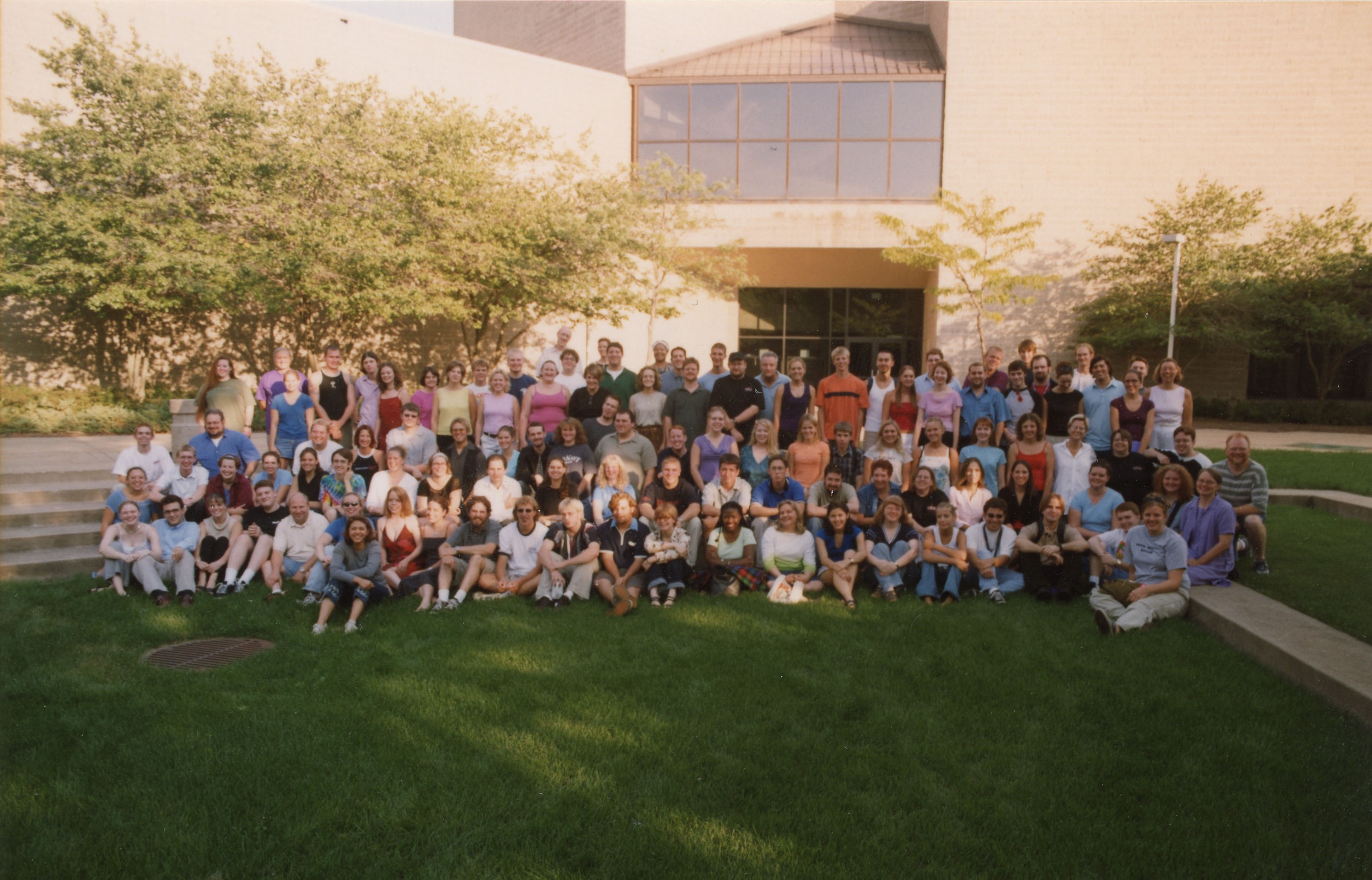
Currently, the Department of Theatre and its production program are housed in Strayer-Wood Theatre: https://chas.uni.edu/theatre/about-department/facilities.
Compiled by Library Assistant Susan Witthoft; edited by University Archivist Gerald L. Peterson, July 1996; substantially revised by Gerald L. Peterson, with research by Student Assistant Katie Meyer and scanning by Library Assistant Gail Briddle, November 2002; updated November 10, 2011 (GP); photos and citations updated by Graduate Assistant Eliza Mussmann April 5, 2023; revised by Library Assistant Hannah Bernhard, February 2026.