
Price Laboratory School (1950)
One of the educational opportunities offered by the Iowa State Teachers College (now the University of Northern Iowa) was a campus laboratory school, or a model school where student teachers could train for their future careers in the classroom. Beginning in 1914, the building now known as Sabin Hall served as the home for the lab school. However, by the mid-1940s, although the building was structurally sound, it was no longer the model of public school arrangement and organization a laboratory school should exemplify.
In 1945, the Iowa General Assembly approved $905,000 to be used for capital improvements at ISTC, including a new laboratory school, health services facility, arts and industries building, and several physical plant improvements. The new laboratory school, budgeted at about $400,000, would include a grade school, high school, and nursery school facilities. It would be located on the north edge of campus in an area bounded by Hudson Road on the west, 23rd Street on the south, Campus Street on the east, and 19th Street on the north. Ultimately, it would be a two-story building with two wings joined at a central section and include a gymnasium, library, cafeteria, and pool. However, postwar inflation, construction supply shortages, and surging enrollment, especially of men returning to school under the GI Bill®, delayed action on most of these projects.
In January 1947, President Malcolm Price asked the General Assembly for an additional $2 million for new campus buildings; they responded with an appropriation of $362,000. In January 1948, President Price stated plans were underway for a new school building with a budget of $560,000 and by July 1948, the plans were substantially complete. In October 1948, the college completed purchase of the land on which the school would be built. The General Assembly appropriated an additional $500,000 for the project in May 1949, bringing the total to $1.72 million. This additional money would allow the construction of the high school wing as the second unit of the project. A gymnasium would be the third unit. The college hoped to accept bids on construction of the elementary school wing in fall 1949. This part of the building would offer classrooms designed for student teaching observation, a cafeteria, an auditorium, and a library.
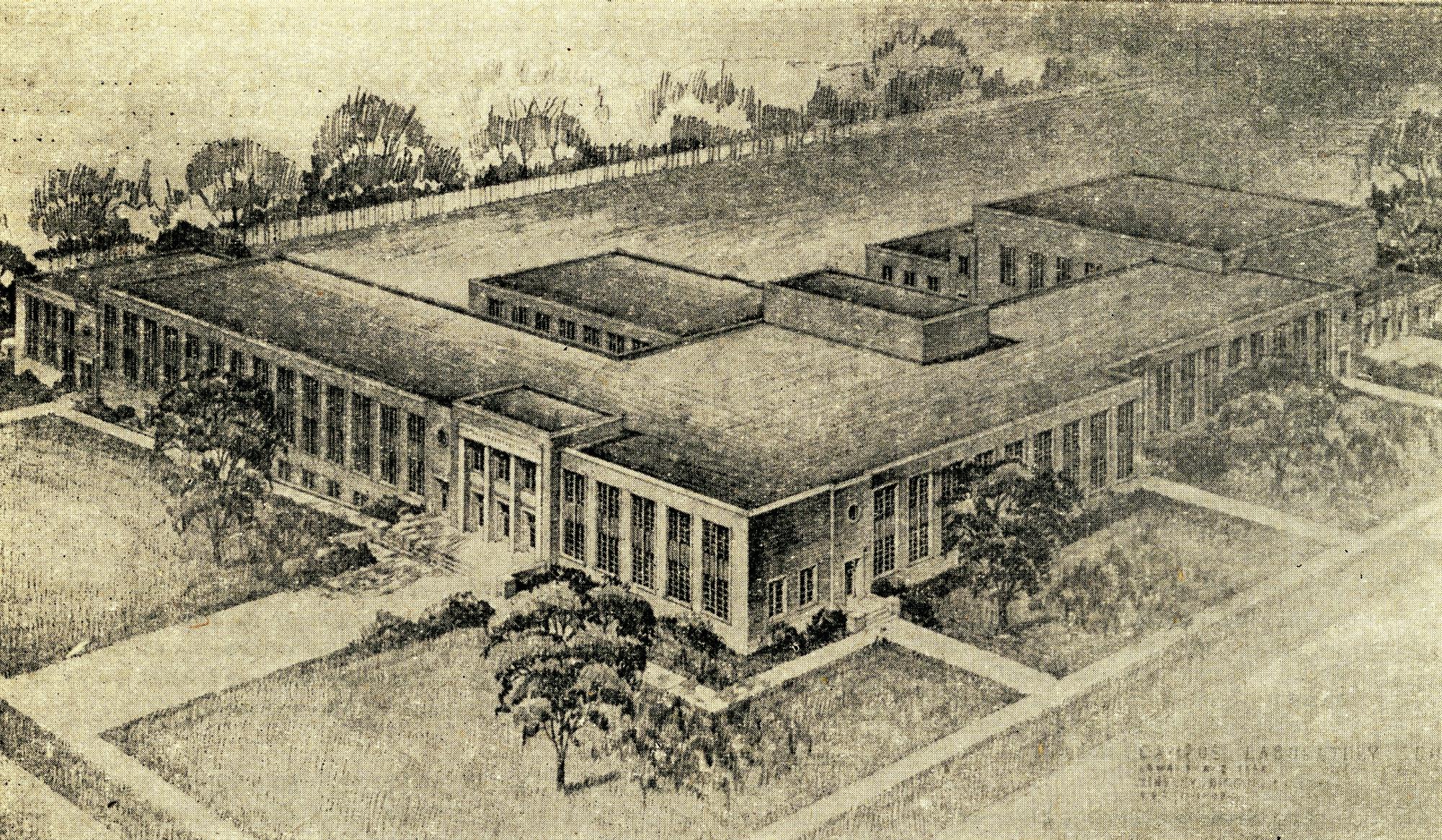
The Board of Education (now the Board of Regents) approved the final plans in May 1950. Tinsley, Higgins, and Lighter of Des Moines were the architects. In July 1950, Viggo Jensen Company of Albert Lea, Minnesota, received the general contract, Cedar Rapids Electric Company received the electrical contract, and W. A. Peck Company of Des Moines received the heating and plumbing contract for unit one construction. At that time, the project budget was $920,000.
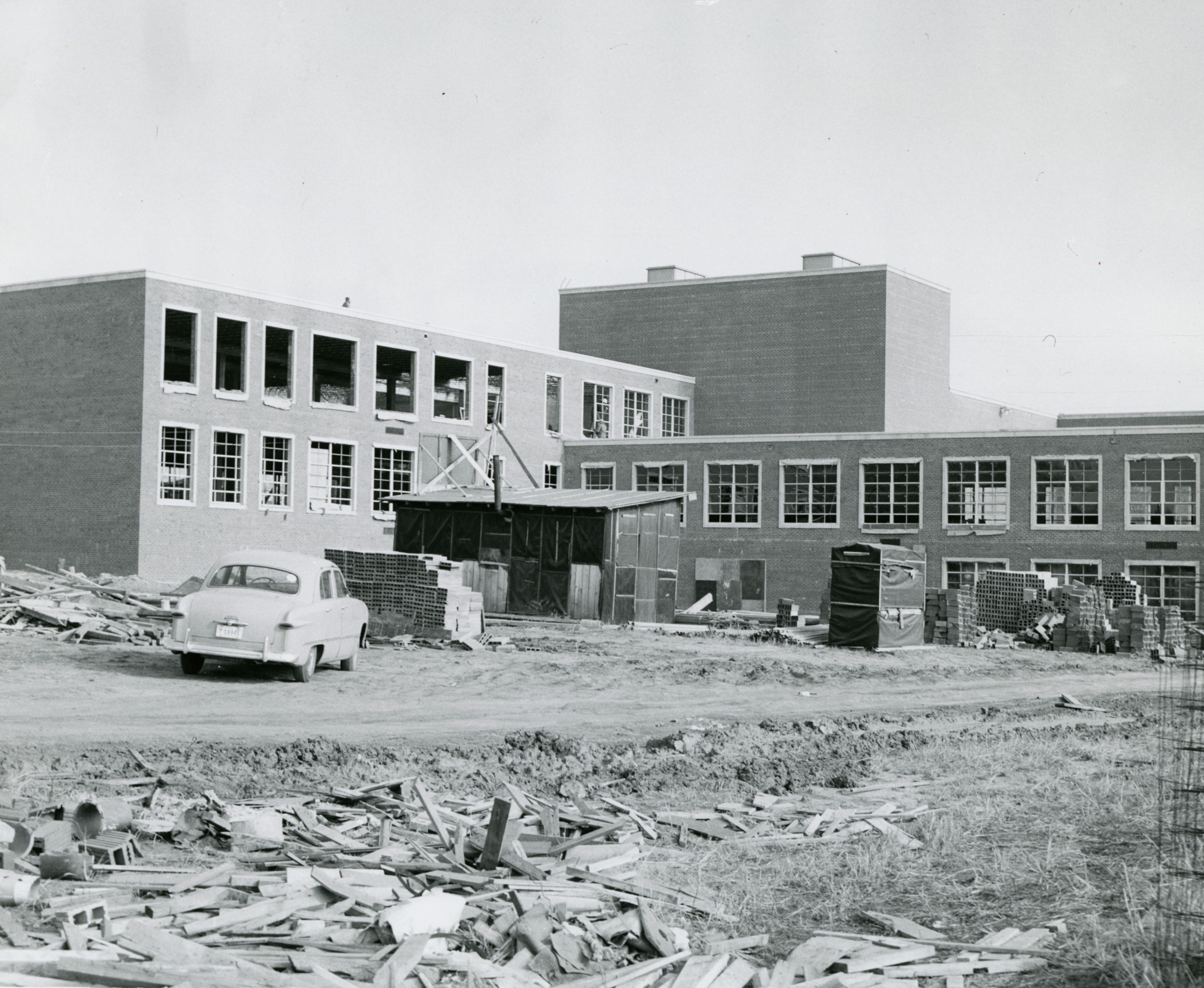
Construction began in early fall 1950. However, the contractor encountered a high water table when attempting to put in the foundation for the building and construction halted. The footings and foundation had to be redesigned at considerable expense and substantial delay. Lawsuits followed, with contractors ultimately accepting a settlement of about $100,000 in June 1951 for losses suffered during delays caused by soil testing and redesign work. The project sat idle for nine months.
After the matter was settled, construction resumed. College officials hoped the elementary wing would be ready for fall 1953. On October 30, 1952, the cornerstone was laid. It contained documents, newspapers, photographs, statements of school philosophy, school schedules, student teaching guides, and other material relating to the school and its programs. The elementary school was completed in summer 1953. Summer session students began their move from the old school in Sabin Hall to the new building on August 10. Students moved class by class, followed by Principal Jack Hall and Director Dwight Curtis.
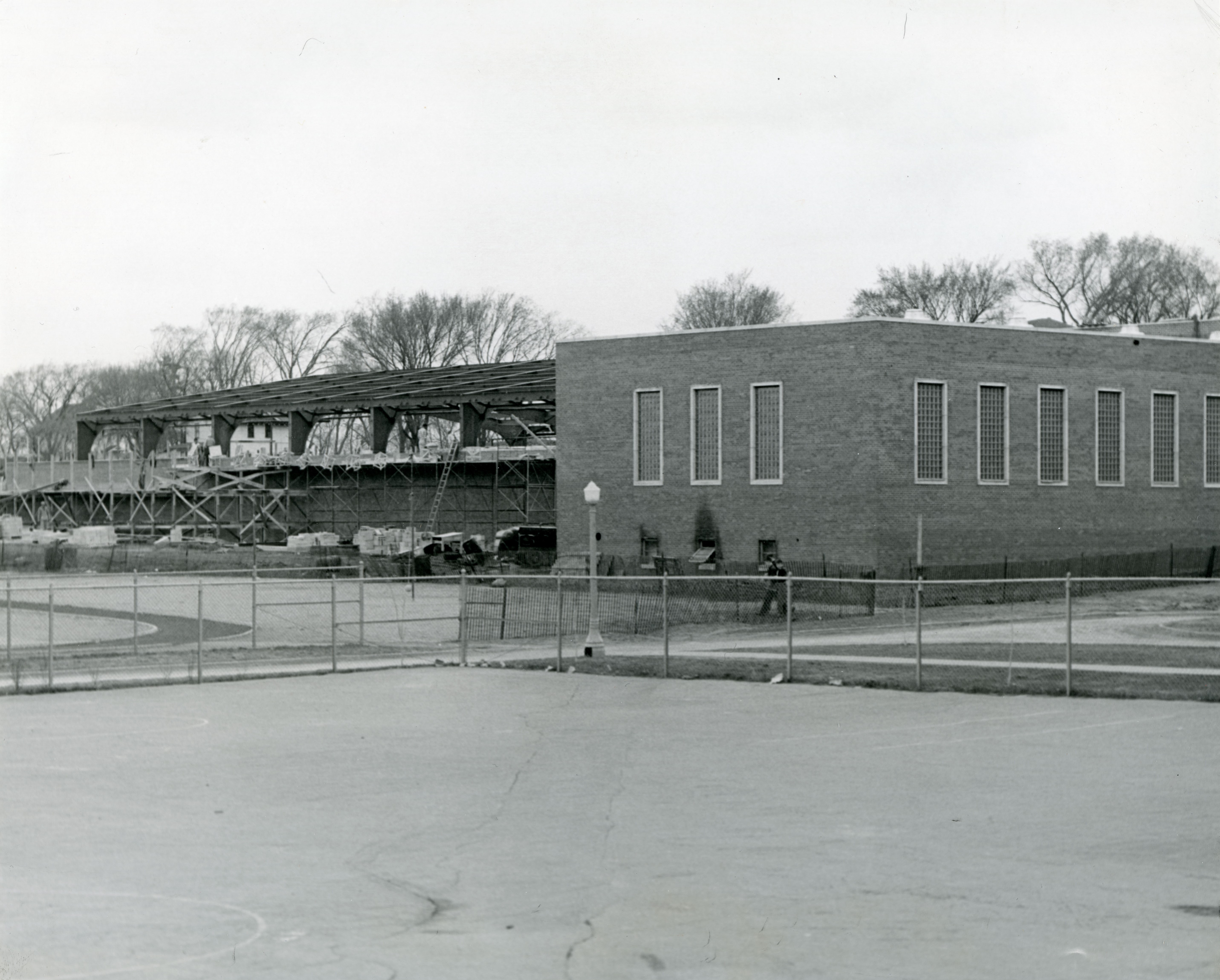
By summer 1953, the total appropriation for the high school wing reached $550,000. Although the Board of Education had not yet approved final plans, President J.W. Maucker hoped unit two could be completed by September 1955. In February 1954, the Board of Education awarded contracts for the work. Fildes Construction Company of Waterloo received the general contract, Young Plumbing and Heating of Waterloo received the plumbing and heating contract, and Hub Electric Company of Waterloo received the electrical contract. By July 1954, the steel frame for the high school was in place. Construction proceeded on schedule, despite the insolvency of one of the contractors, so that by August 1955, high school students and faculty were packing to move from Sabin Hall to start the fall in their new building.
In their 1956 session, the General Assembly appropriated $517,000 to build unit three of the campus laboratory school. This unit would be a fieldhouse with a broad range of physical education facilities. Construction began in summer 1956 and the fieldhouse was completed in time for the start of school in September 1957.
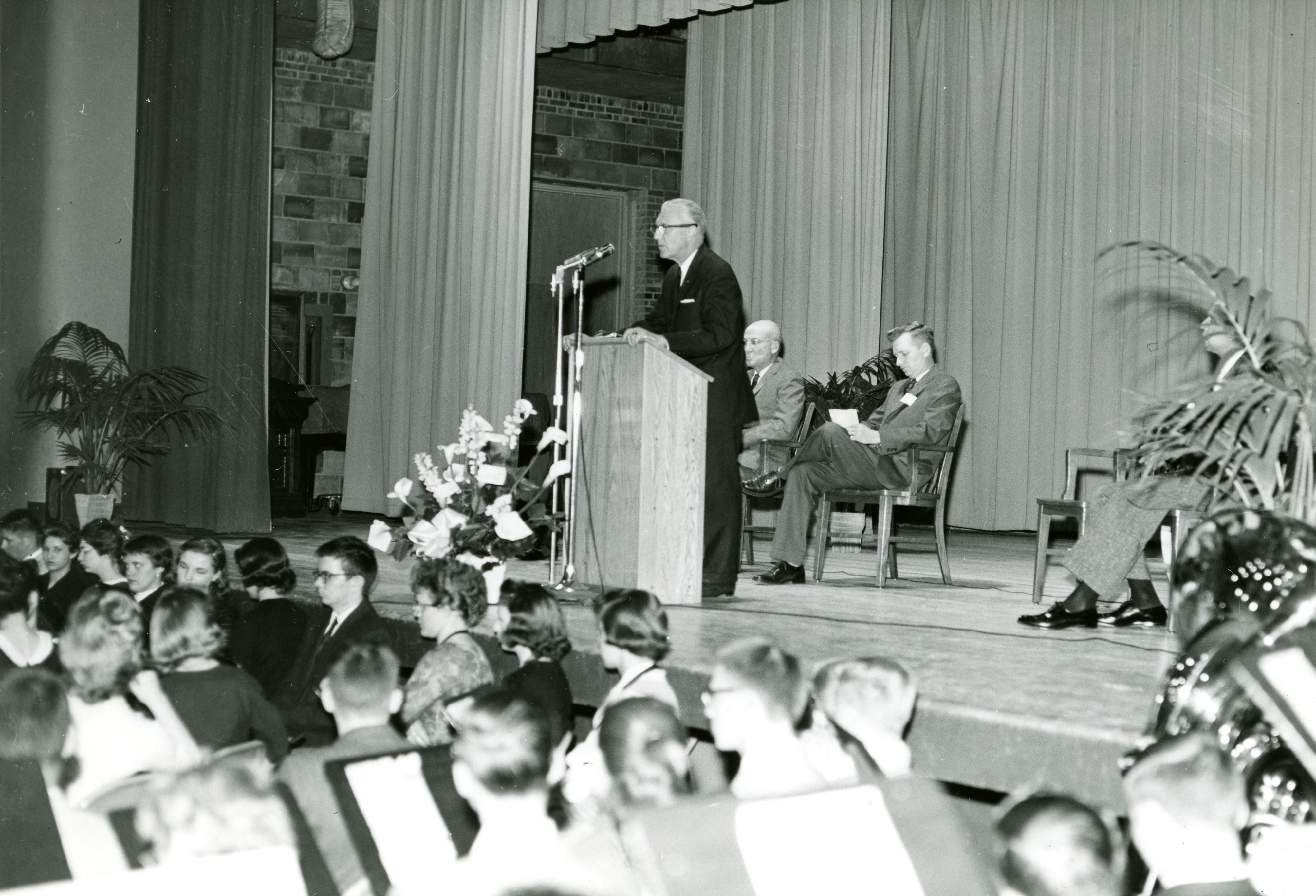
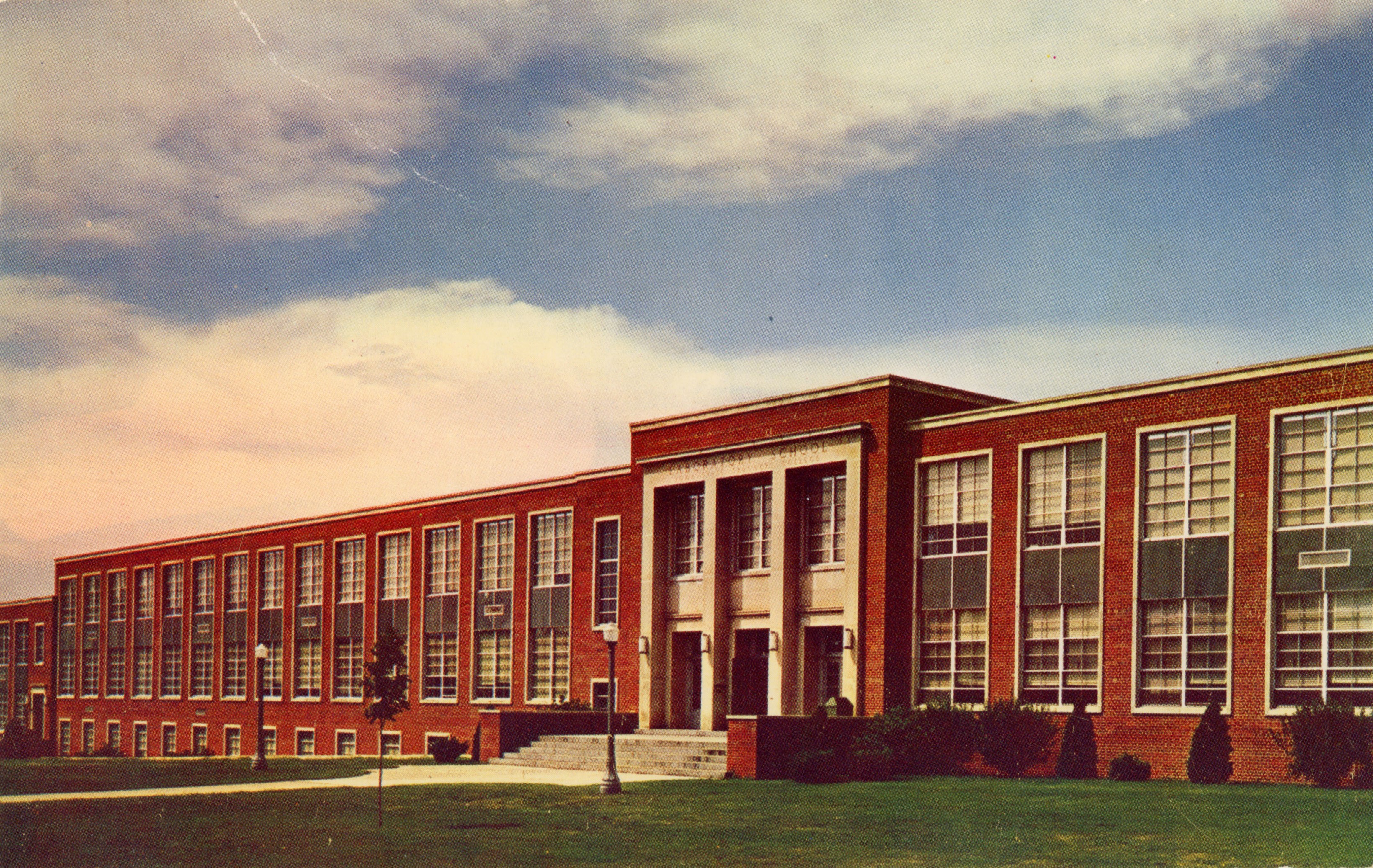
The new building complex on the northwest corner of campus, completed in fall 1957 at a total cost of about $2.5 million, was initially known as the Laboratory School. President Maucker announced in February 1959 that the complex would be named in honor of Malcolm Price, who had been president of the college from 1940 through 1950. President Price was instrumental in securing funding and initial planning for the school. After resigning as president, he continued to serve on the faculty of the Department of Education. Price said of the honor, "It came as a complete surprise; I feel honored. The facilities of the school are essential to the professional education of teachers and give the college a greater opportunity to be of service to the state of Iowa." John Emens, President of Ball State Teachers College, gave the dedicatory address.
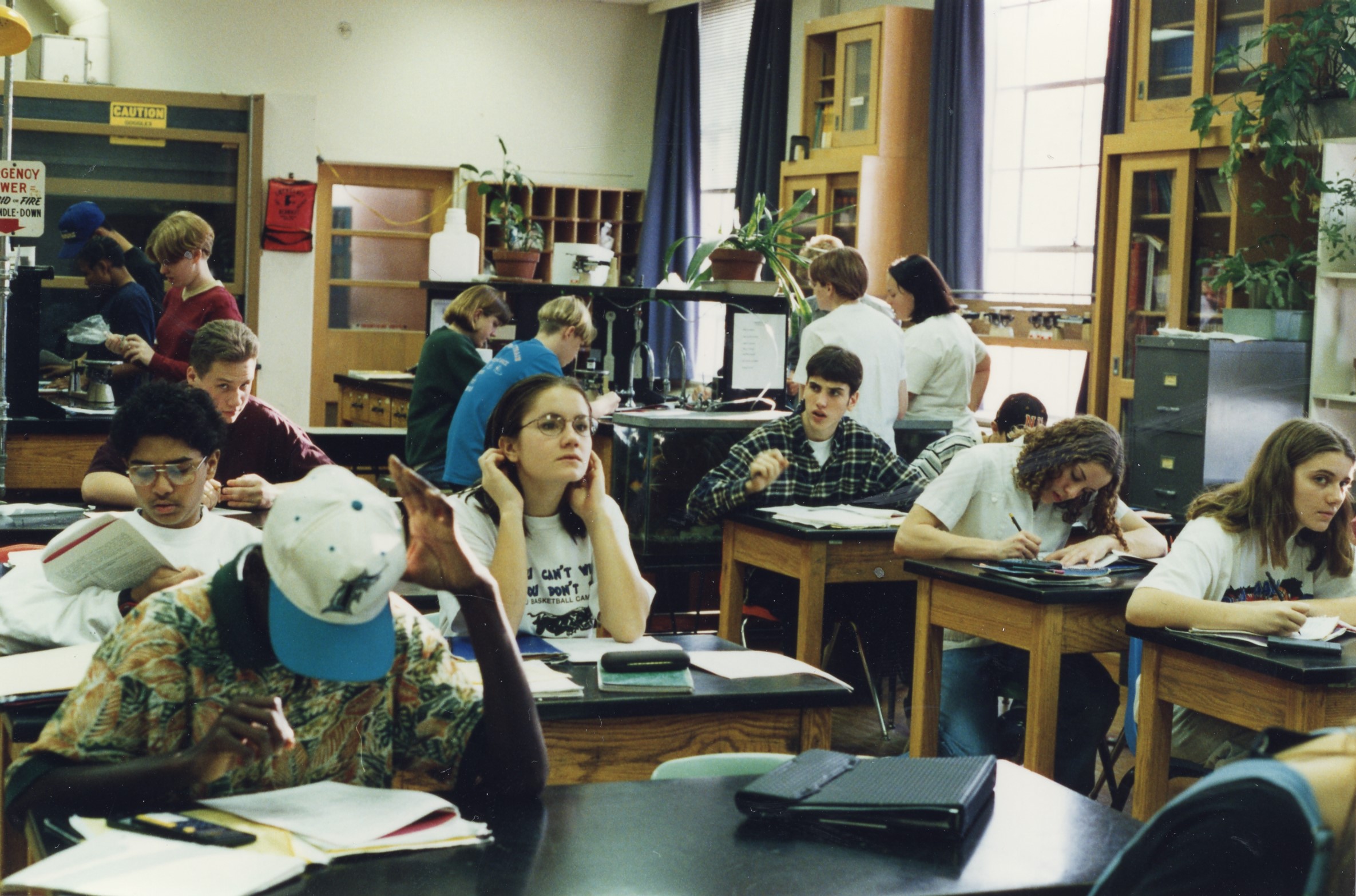
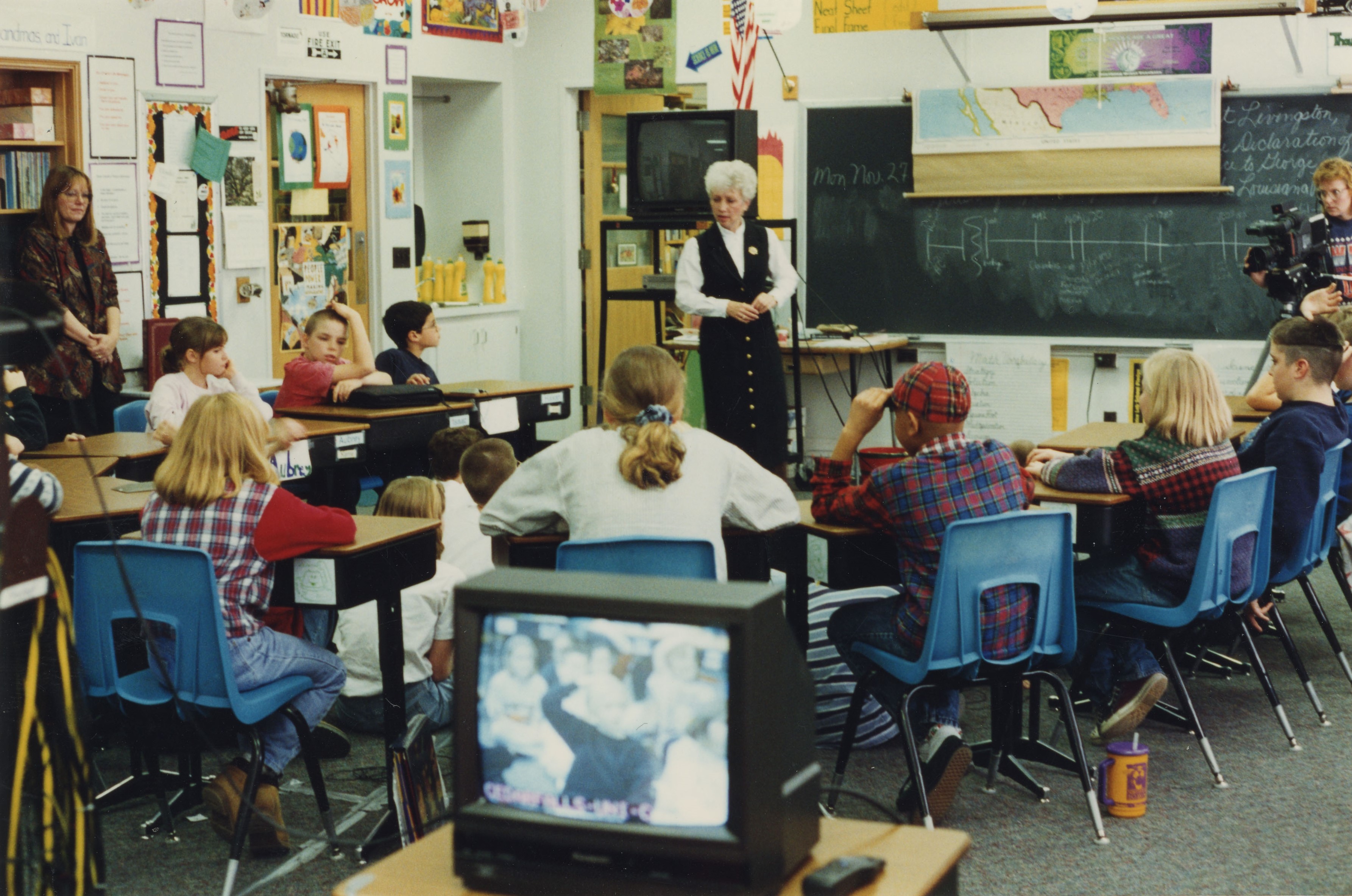
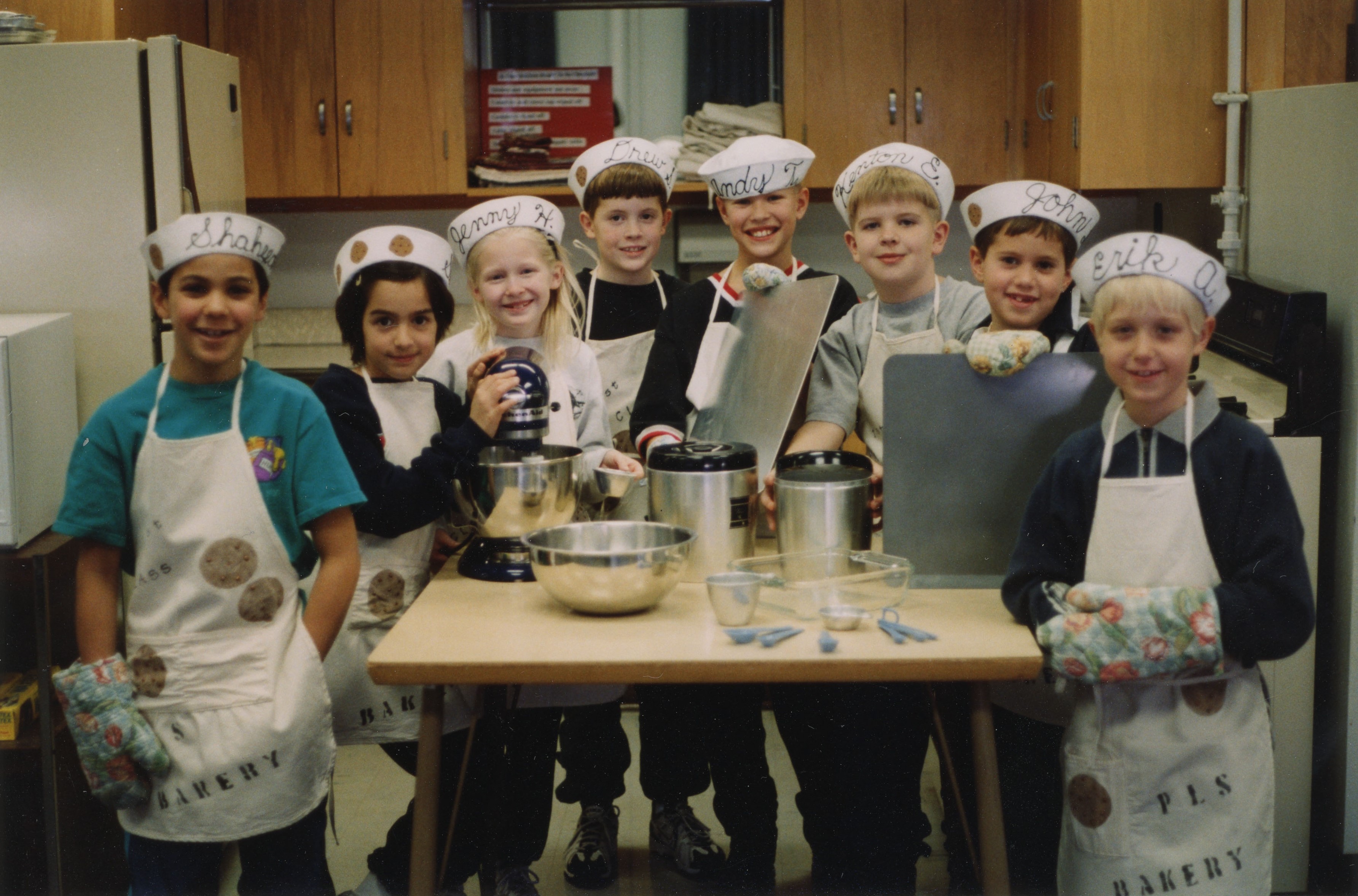
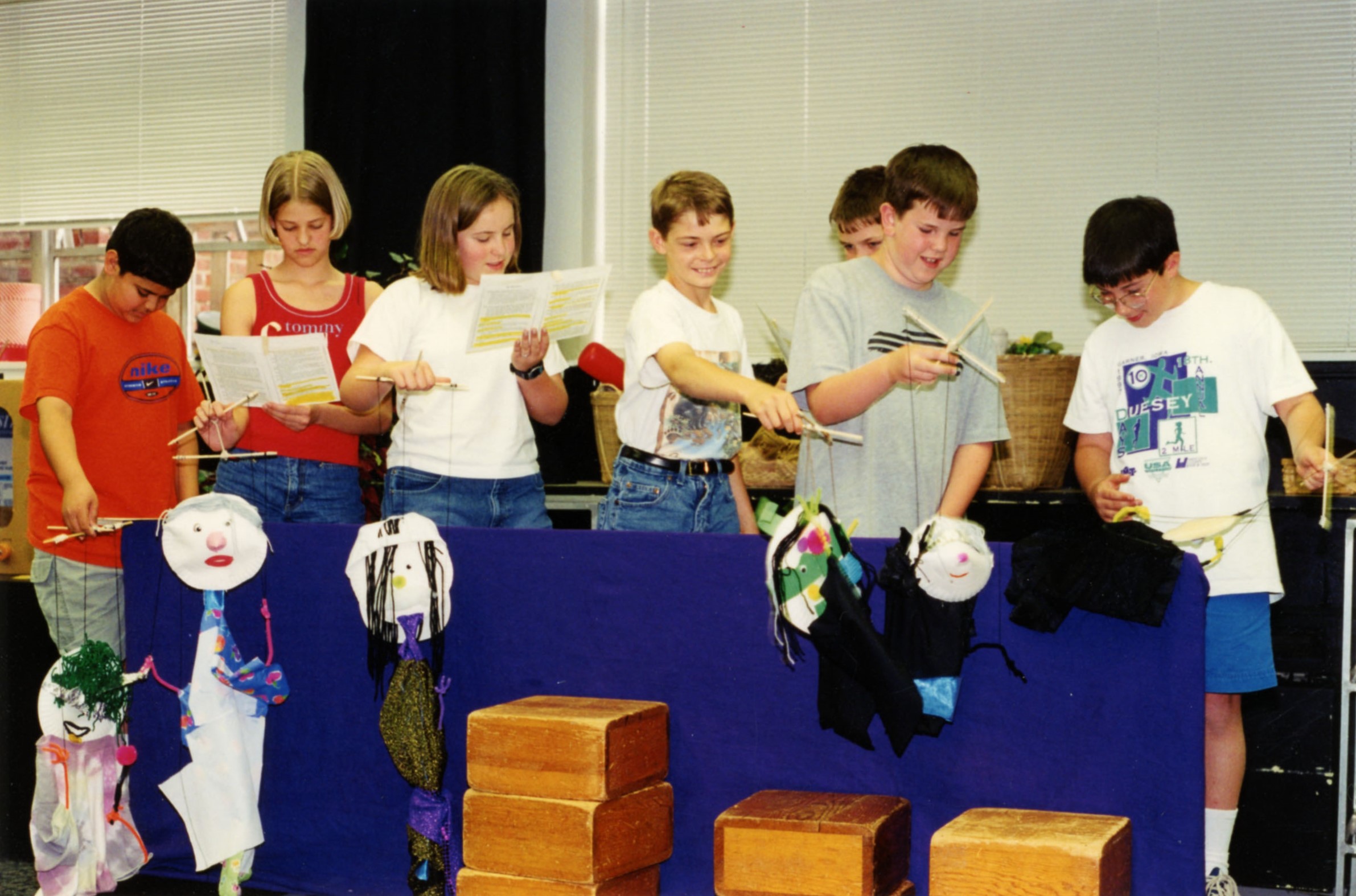
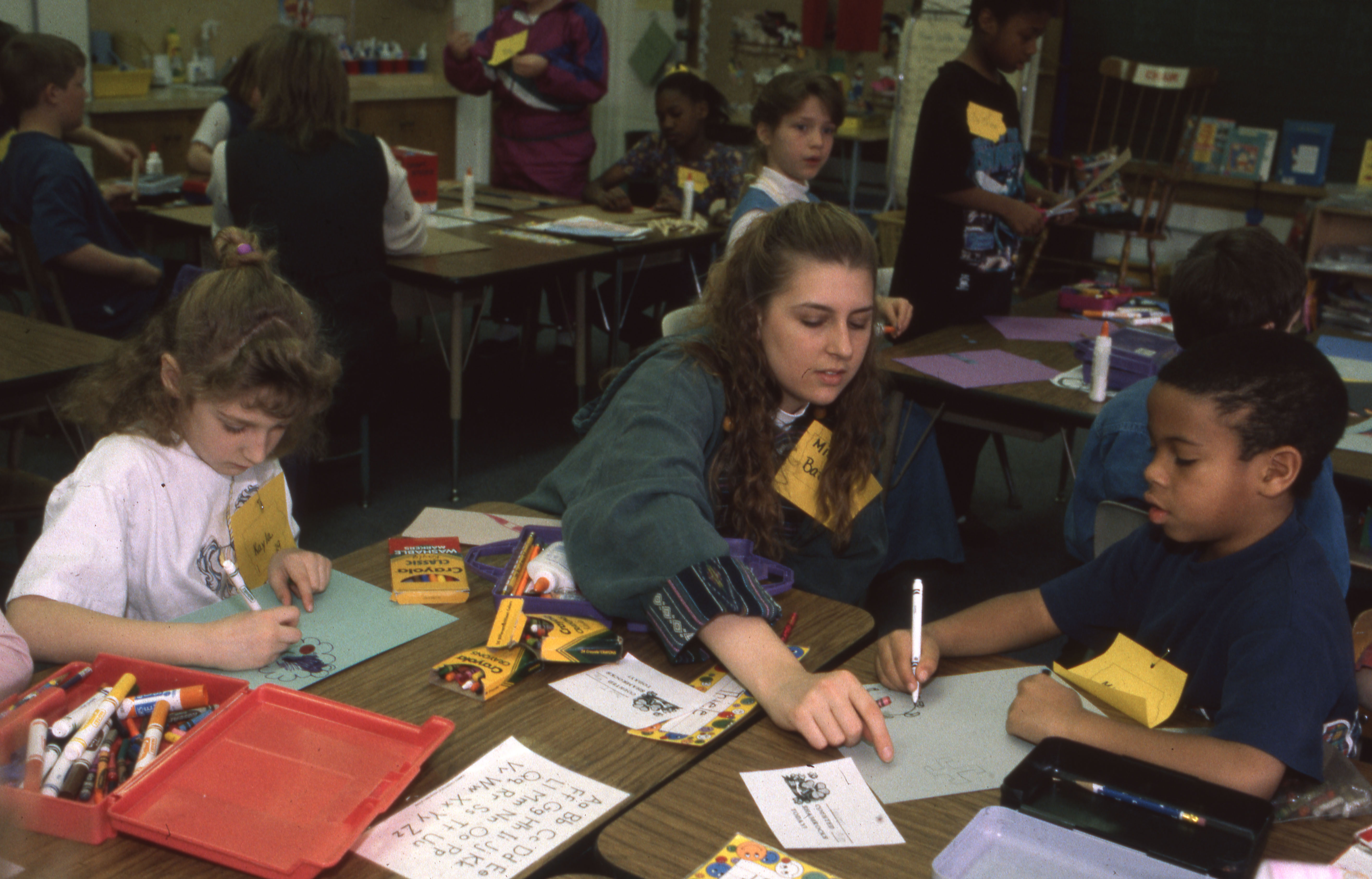
The Price Laboratory School was a model physical facility when it opened, but programs within the building were just as important. In 1960, Dwight Curtis, director of the school, stated it attempted to perform two major functions: provide the best education to children attending the school, and offer the best laboratory experiences for teachers in training. He believed one function should not take precedence over the other, saying "the optimal educational program and environment for the pupils in the laboratory school provides the best laboratory for the pre-service and in-service education of teachers."
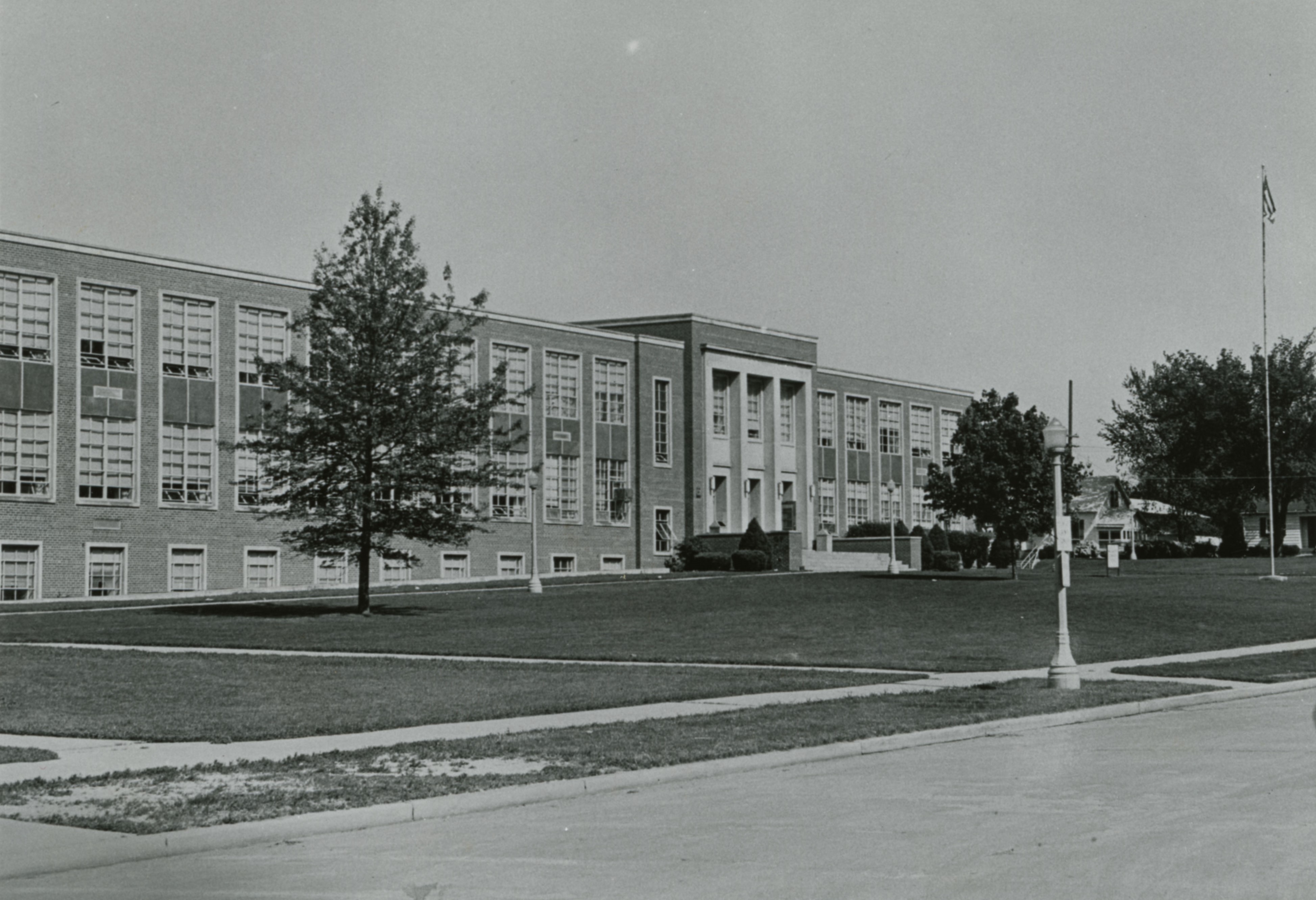
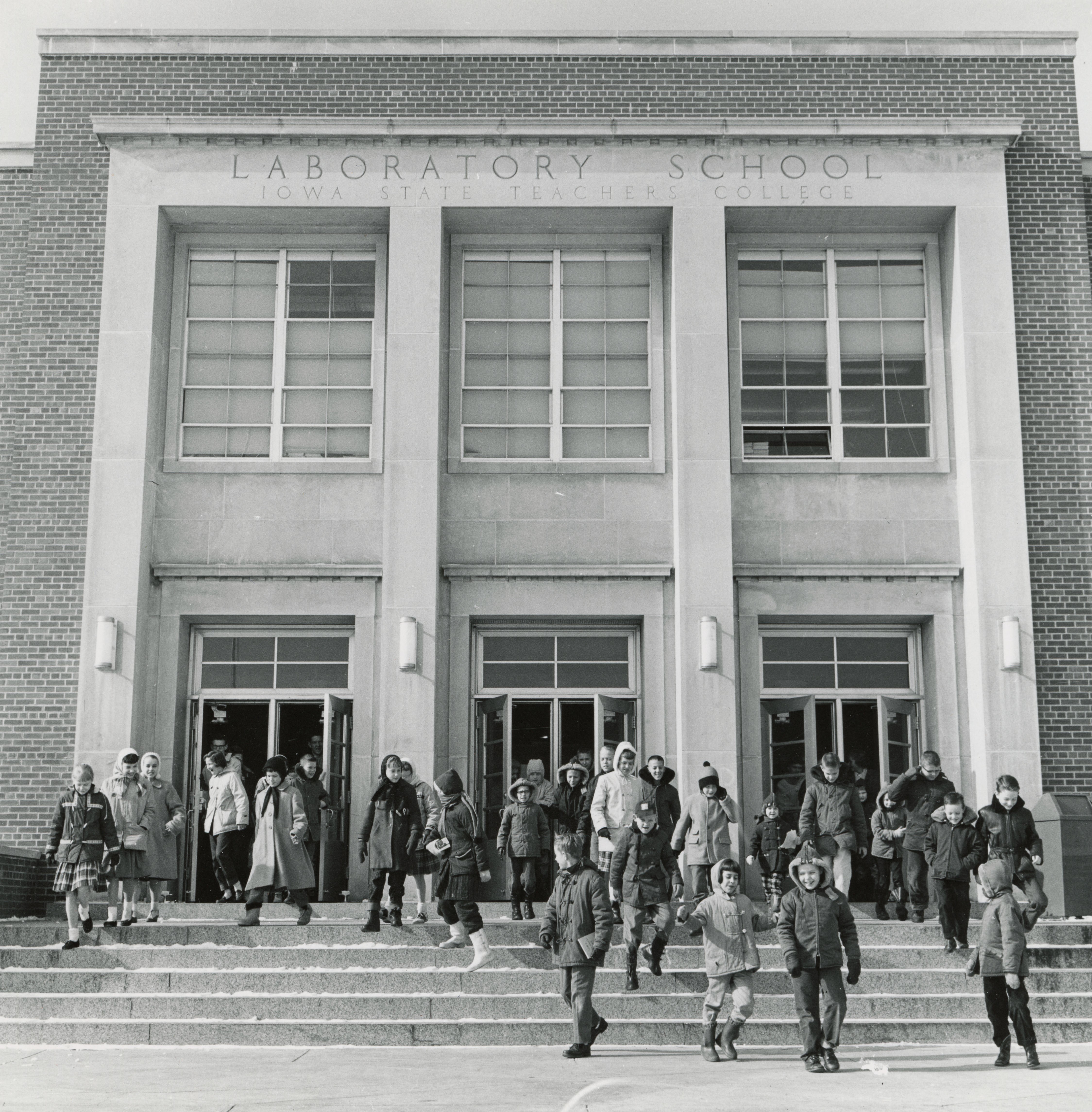

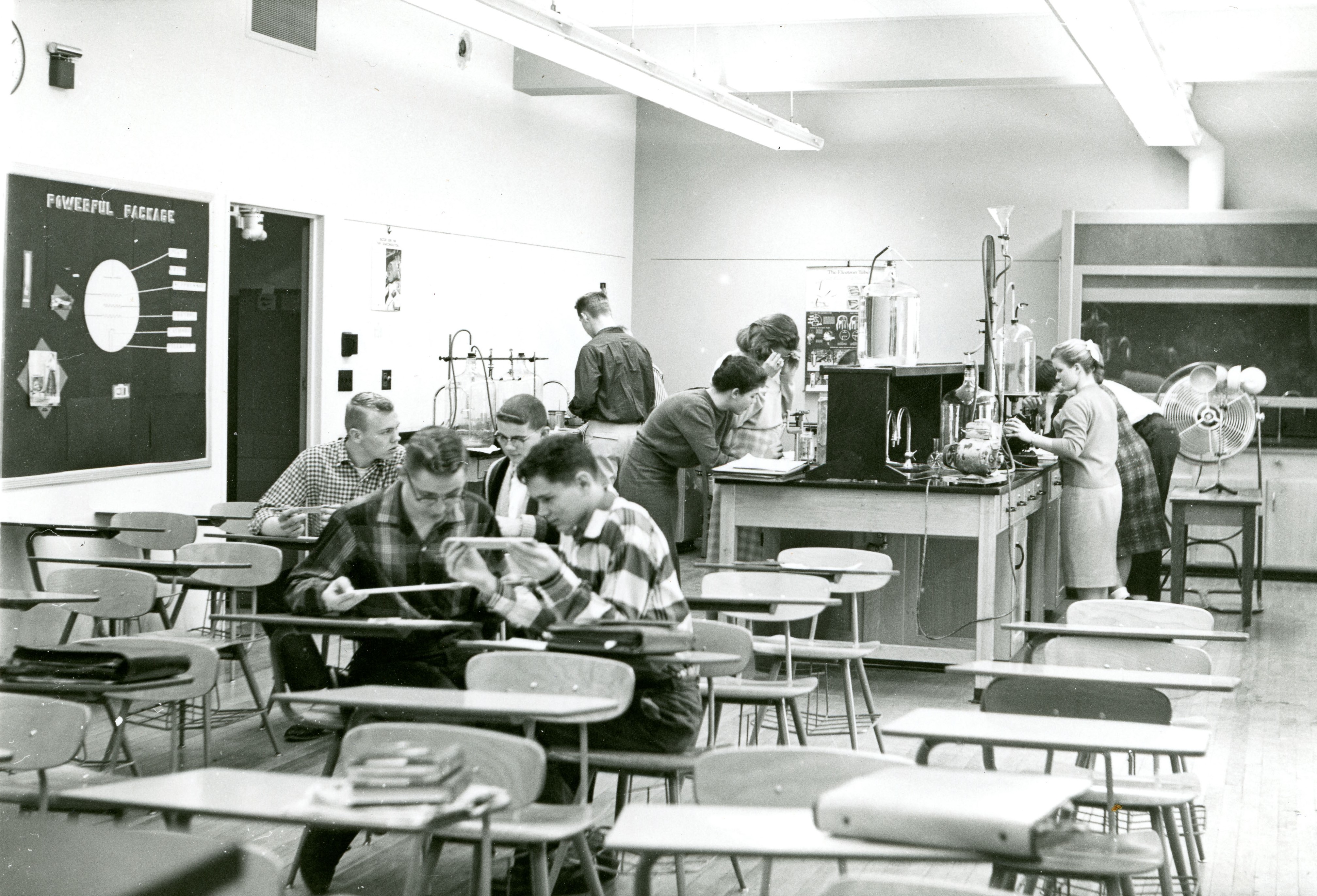

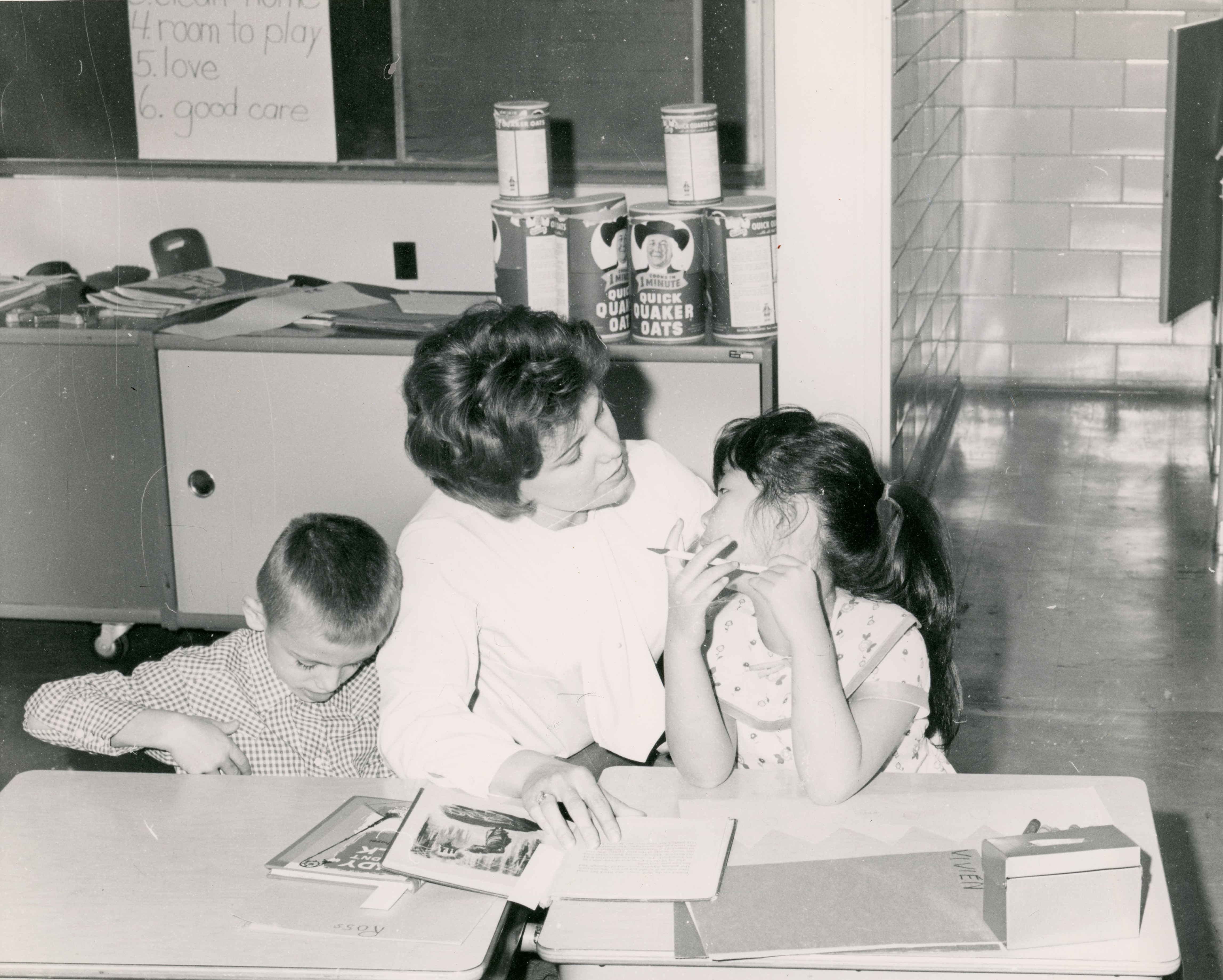

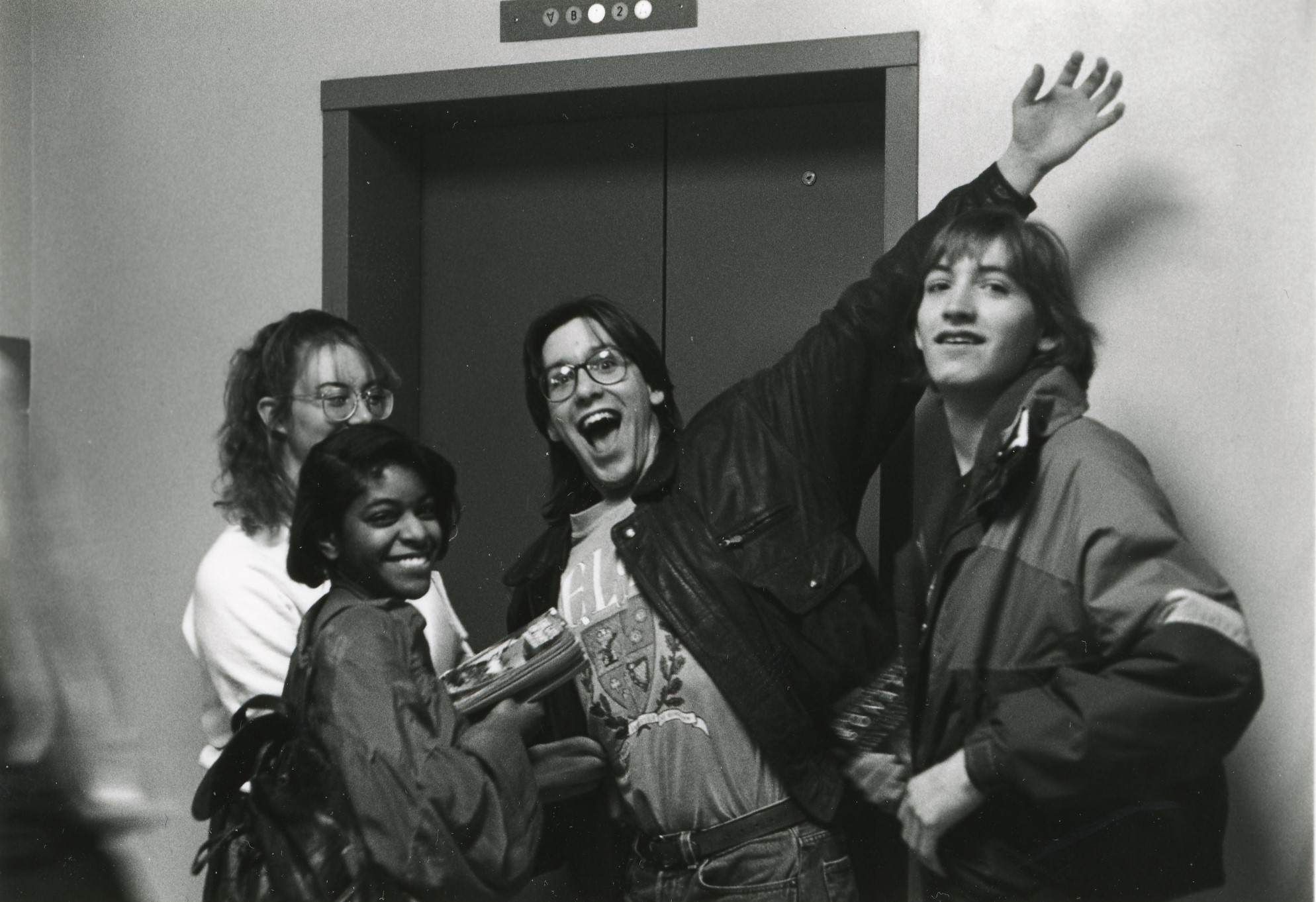
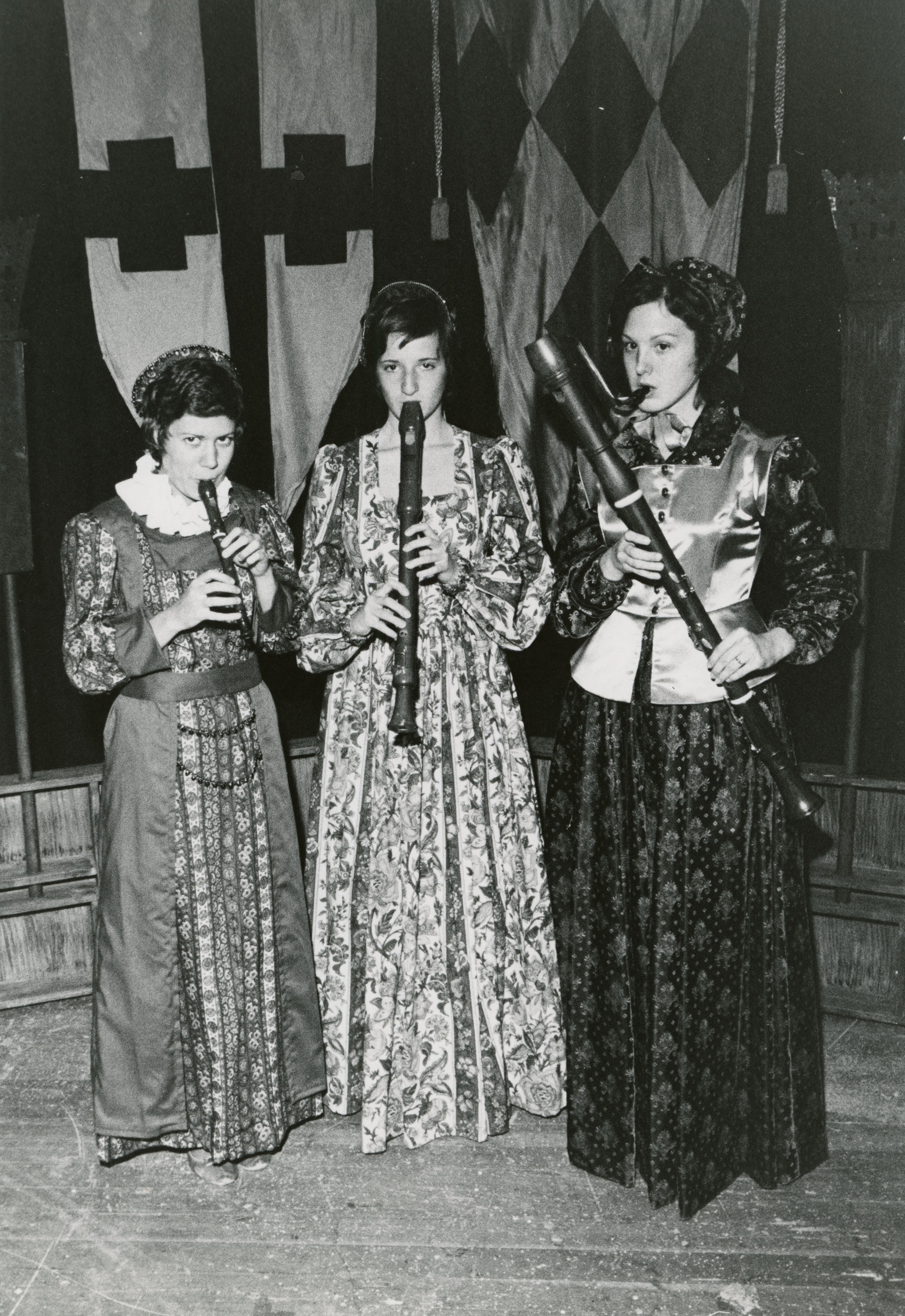
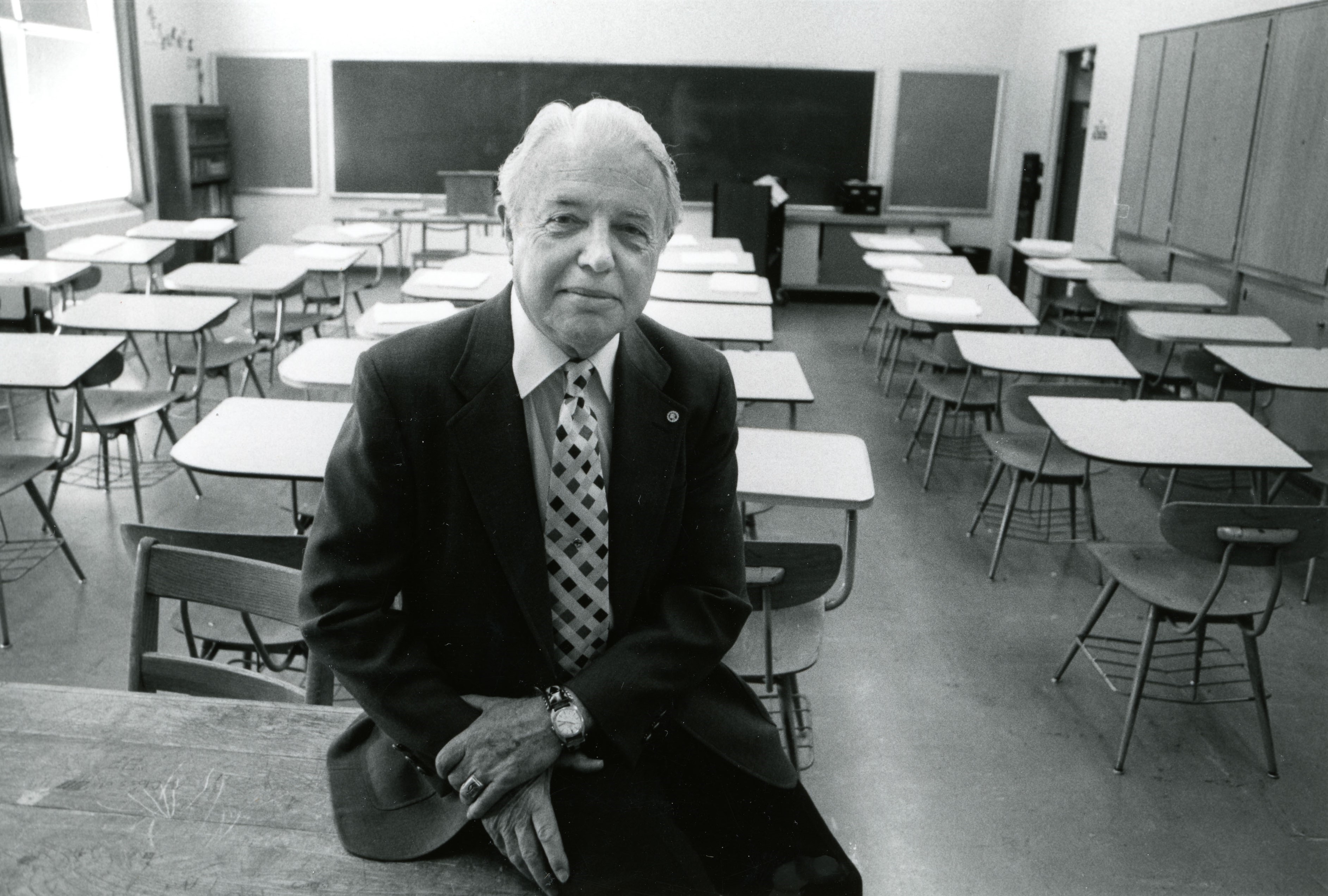
In the early 1970s, laboratory schools were closing across the United States. The Board of Regents directed UNI to investigate alternative plans for accomplishing the objectives of the Price Laboratory School program in April 1971. School director Ross Nielsen supported keeping the school open, comparing closing the laboratory school with a medical school closing its teaching hospital. He also noted transferring student teaching to local public schools would be costly. Iowa Lieutenant Governor Roger Jepsen, a laboratory school alum, also advocated for the school to a committee of the General Assembly. Ultimately, the committee asked the lab school be separated from the university's general operating budget so expenses could be better tracked. They also asked the school to negotiate higher tuition payments from Cedar Falls and Waterloo pupils.
In 1986, the school auditorium was named in honor of Kenneth G. Butzier, who taught language arts, speech, and theater at Price Laboratory School from 1960 through 1986. In 1988, the fieldhouse was named after Ross A. Nielsen, who directed the school from 1954 through 1986. In 1989, the Board of Regents hired the consultant firm of Peat, Marwick, Main and Company to study the Regents universities, with a special directive to look for unnecessary program duplication. Among other considerations, the company's report questioned the need for Price Laboratory School, which at that time was one of only about 100 laboratory schools in the country. In response, a committee and several outside consultants reported on the strengths of the program, and the school remained in operation.
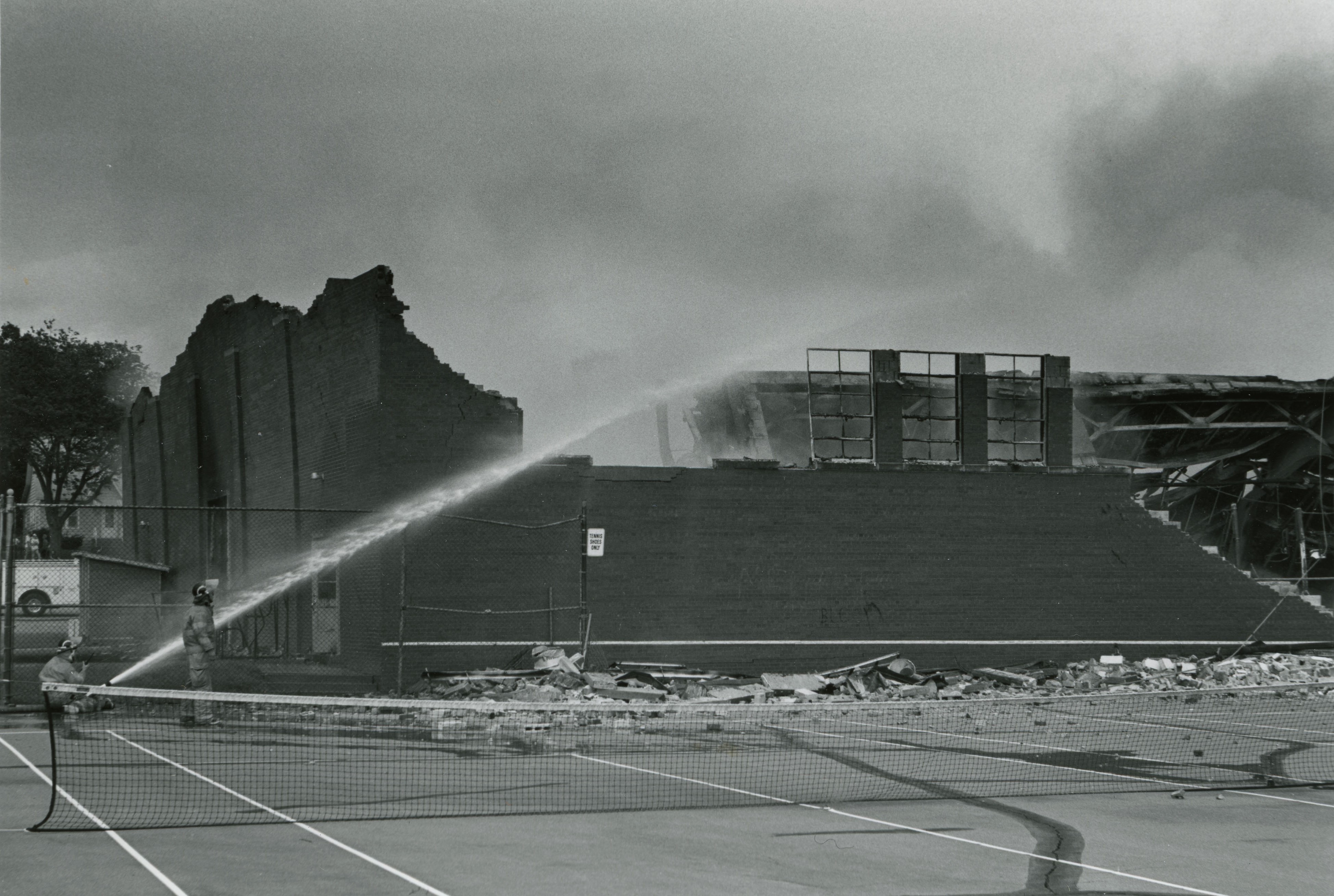
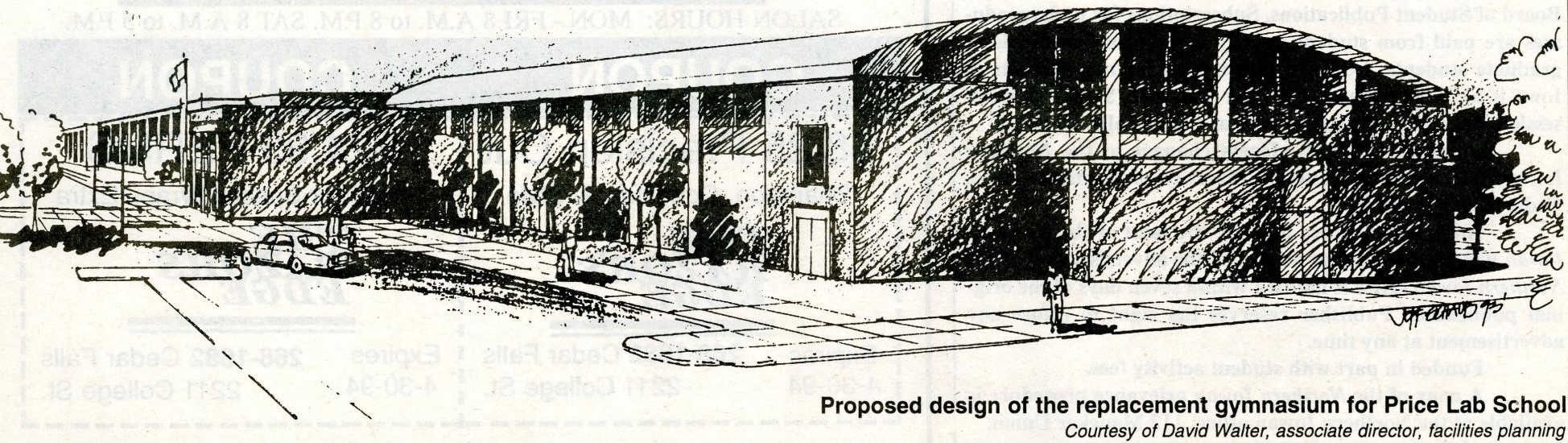
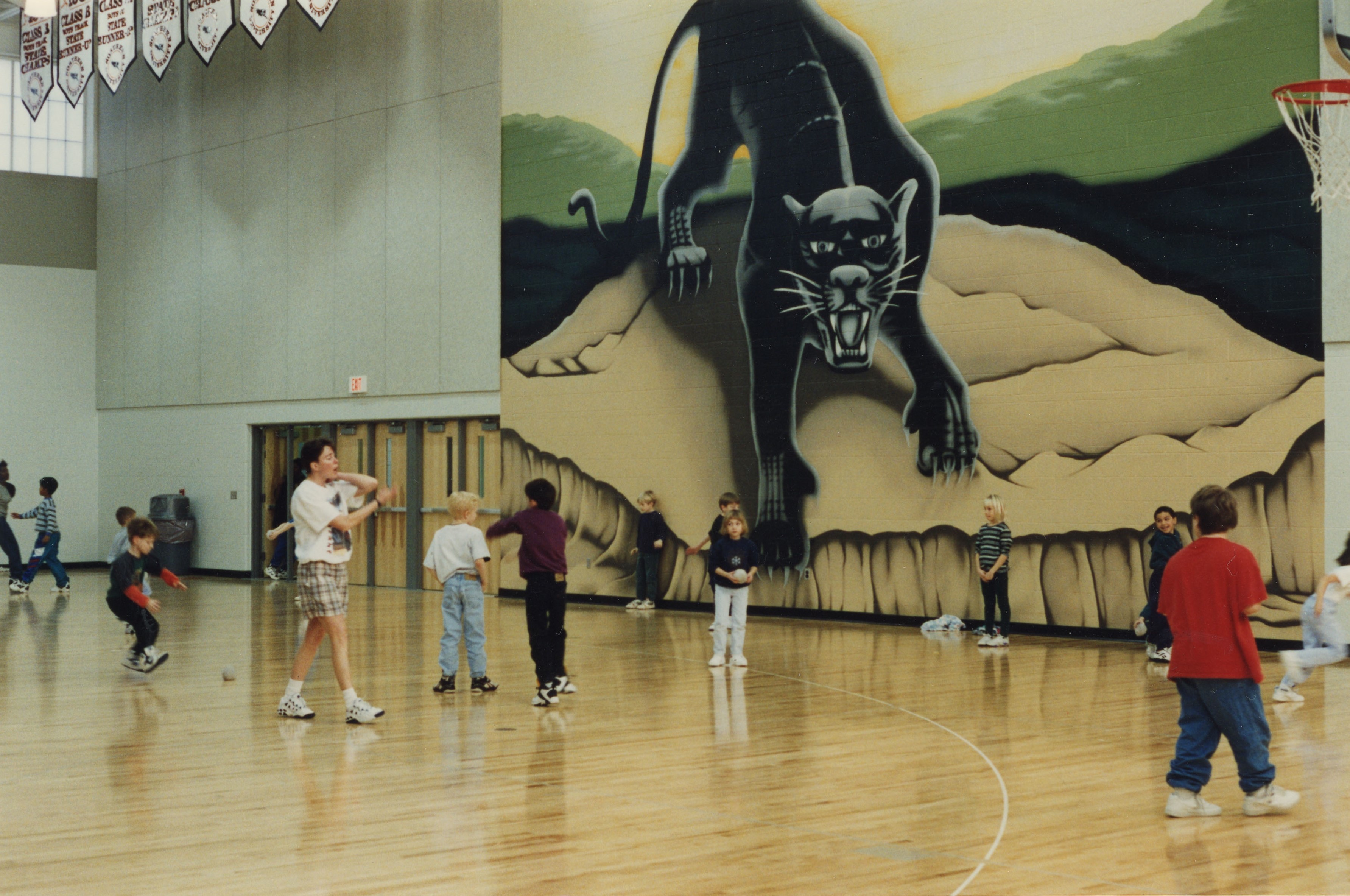
On June 8, 1993, a very windy day, a fire caused by arson destroyed the Nielsen Fieldhouse and damaged adjacent portions of the school. No one was injured, but damage was estimated at $3 million. Architects RDG Bussard Dikis of Des Moines designed a new building, which cost about $3 million. Ground was broken for the new Nielsen Fieldhouse on September 13, 1994. The structure was completed in 1995 and dedicated on January 12, 1996.

In February 2002, Iowa and the Regents universities faced severe budget difficulties. Thomas Switzer, Dean of the College of Education, was reported as proposing the possibility of closing Northern University High School and forming a Professional Development School in association with Cedar Falls and Waterloo High Schools. In this initial scenario, Northern University High School would close after the 2003-2004 year. In May 2002, the Board of Regents released a statement that said: "Due to budget reductions at the University of Northern Iowa, significant changes will occur on the UNI campus, including at Malcolm Price Laboratory School (MPLS). MPLS will remain open as a K-12 school for the 2002-2003 school year. Negotiations are underway regarding future years."
In August 2002, the operating budget for the school was reduced from $4.5 million to $2.4 million for the 2003-2004 school year, and tuition was raised from $200 to $340. In October 2002, President Robert Koob approved a recommendation from Interim Dean of the College of Education William Callahan to keep the school open on a K-12 basis. Callahan proposed economic measures including seeking donations, raising fees, and not filling positions left by retiring faculty members.
Although the building underwent minor renovations and structural changes over the years, it would soon require a major $10-20 million reconstruction project and was placed on the university’s five-year list for capital improvement. However, due to continuing budget constraints, and prospects for a worse budget situation in 2012-2013, in mid-February 2012 President Benjamin Allen recommended a series of program reductions and cuts. One item was closing the Malcolm Price Laboratory School by June of that year. On February 27, 2012, the Board of Regents approved the recommendation in an 8-0 vote. The school officially closed on June 30, 2012.

List of Laboratory School Heads with Dates of Service
Please note: 1892-1893---1894-1895 means that, for example, a person served in the school years of 1892-1893, 1893-1894, and 1894-1895.
- Name & Dates of Service
- Alice C. King, 1892-1893---1894-1895
- Etta Supplee, 1895-1896
- Wilbur H. Bender , 1896-1897 (began in winter term)---1912-1913
- George S. Dick, 1913-1914
- Cliff W. Stone, 1914-1915---1917-1918 (The exact time of transition between Stone and Luse is unclear, but there does not seem to have been a gap between them.)
- Eva May Luse, 1918-1919---1939-1940 (The exact time of transition between Luse and Wagner is unclear; there might have been a brief gap with an interim head.)
- Guy Wagner, 1941-1942---1944-1945
- Dwight Curtis, 1945-1946---his death, September 23, 1960
- Guy Wagner, September 1960---June 10, 1962 (interim)
- Ross Nielsen, June 11, 1962---1985-1986
- James Doud, 1986-1987 (acting)
- John Tarr, 1987-1988 (acting)
- David Else, 1988-1989---1989-1990
- Roger Kueter, 1990-1991 (acting)
- Linda Fernandez, 1991-1992---1996-1997
- Wendell McConnaha, 1997-1998---2000-2001
- Nadine Davidson, 2001-2002---2001-2004
- William Callahan, 2004-2005---2006-2007
- David Smith, 2007-2008---2008-2009
- Bridgette Wagoner, 2009-2010
- Lyn Countryman, 2010-2011---2011-2012
List of heads and service dates Prepared by Library Assistant Joy Lynn and University Archivist Gerald L. Peterson, June 13, 2014; updated April 5, 2016 (GP). Essay compiled by Library Assistant Susan Witthoft and volunteer Amy Peterson; edited by University Archivist Gerald L. Peterson, July 1996; substantially revised by Gerald L. Peterson, with research assistance by Janelle Iseminger and scanning by Gail Briddle, January 2004; updated June 13, 2014 (GP); photos and citations updated by Graduate Assistant Eliza Mussmann March 29, 2023; content edited by Graduate Intern Marcea Seible, April 2025; revised by Library Assistant Hannah Bernhard, April 2026.
"GI Bill®” is a registered trademark of the U.S. Department of Veterans Affairs (VA). More information about education benefits offered by VA is available at the official U.S. government website at www.benefits.va.gov/gibill.