
Center for Energy and Environmental Education (1993)
The University of Northern Iowa has long been a center for environmental education. As early as 1895, when the institution was known as the Iowa State Normal School and concentrated its efforts solely on teacher preparation, Professor Melvin F. Arey emphasized the value of "nature study." In 1915, the school offered one of the earliest collegiate level conservation courses in the nation. Faculty members such as Roy Abbott, E. Laurence Palmer, C. W. Lantz, and Martin L. Grant continued the work through much of the twentieth century. Professor Ben Clausen led the award-winning Iowa Teachers Conservation Camp effort through the 1950s and 1960s.
In the early 1960s, UNI began to develop its Biological Preserves System with the purchase of a prairie fragment near Parkersburg and some bottom land in north Cedar Falls. These tracts and others added later supported environmental education and biological research. UNI’s attention to environmental education continued to grow. In 1985, the Board of Regents approved the establishment of the Institute for Environmental Education at UNI to serve as a center for research and development and for dissemination of educational materials.
In 1986, plans for a conference and environmental education center coincided with major highway construction in the Waterloo-Cedar Falls area. Highways 218 and 58 would push through agricultural and wild areas on their way through the metropolitan area. The center would be developed in coordination with the project in an effort to mitigate damage caused by construction and take advantage of newly-opened space. Other projects included borrow pit lakes, trails, and wildlife preserves. Originally, the center would be located near a lake in north Cedar Falls; it would include conference facilities, hotel-style housing, and an outdoor theater. Rick Stinchfield, then executive assistant to President Constantine Curris, represented UNI in the planning work. Developers hoped the center would be completed by 2000.
These plans were changed in July 1990 when Senators Grassley and Harkin announced US Senate approval of a $4 million grant from the US Department of Energy to build a National Research and Resource Center for Energy and Environmental Education. In August 1990, the Regents approved planning for the center with hopes it would be completed within 24 months. The 31,000 square foot building would be a model of energy efficiency and include laboratories, classrooms, a materials production center, and an auditorium.
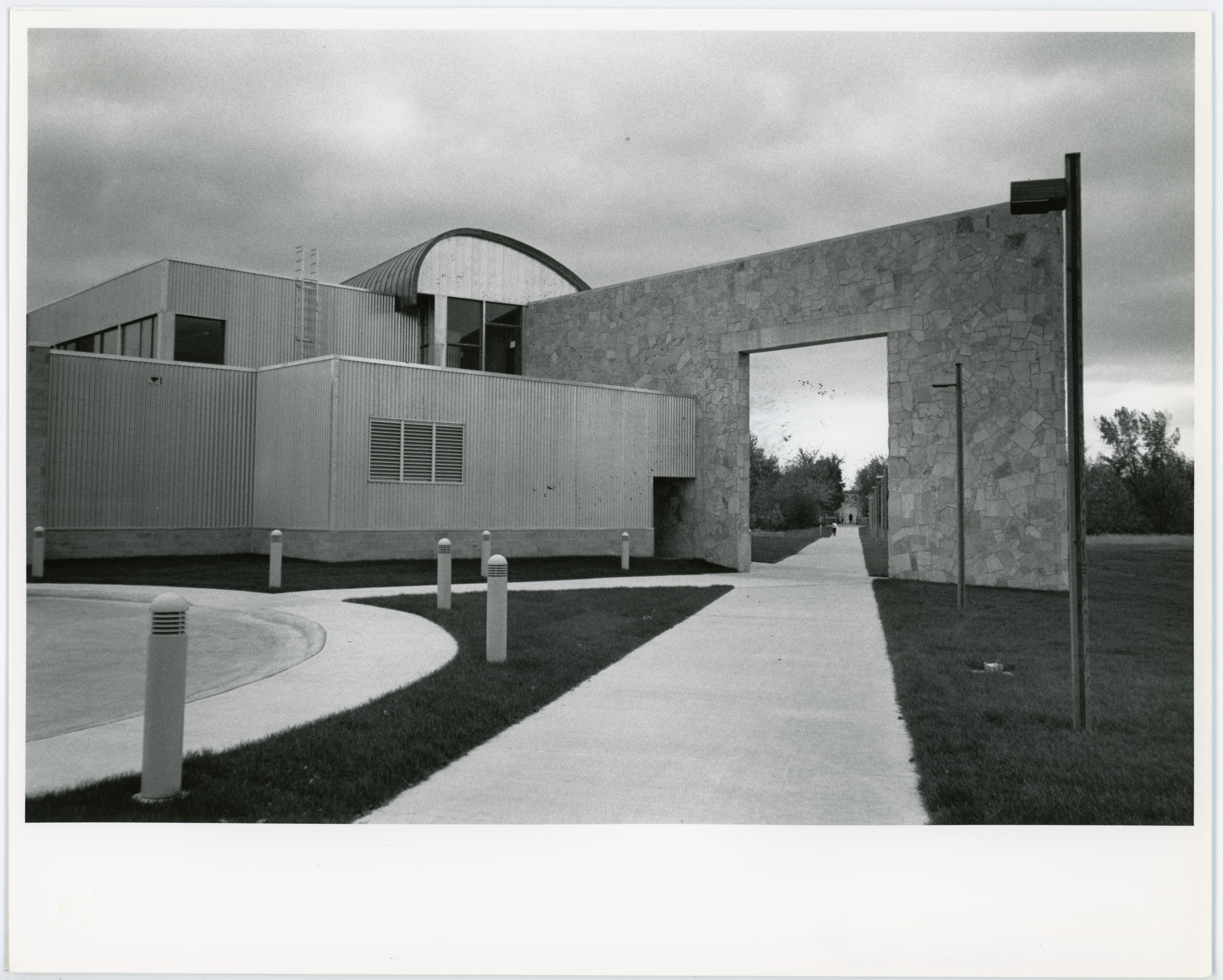
The Regents approved the schematic design for the center in March 1991. The site would not be off campus as originally envisioned, but would be on Jennings Drive on the south UNI campus. Construction progressed fairly smoothly, and contractors met the completion date of mid-August 1994. The building was open and ready for use by the start of fall semester 1994. The Center for Energy and Environmental Education (CEEE) was dedicated on September 17, 1994. Featured speakers included Senator Harkin, President Curris and Center Director William Stigliani, who had served at the International Institute for Applied Systems Analysis in Vienna for eight years. Dean of the College of Natural Sciences Gerald Intemann presided over the sealing of a time capsule commemorating the center’s dedication.
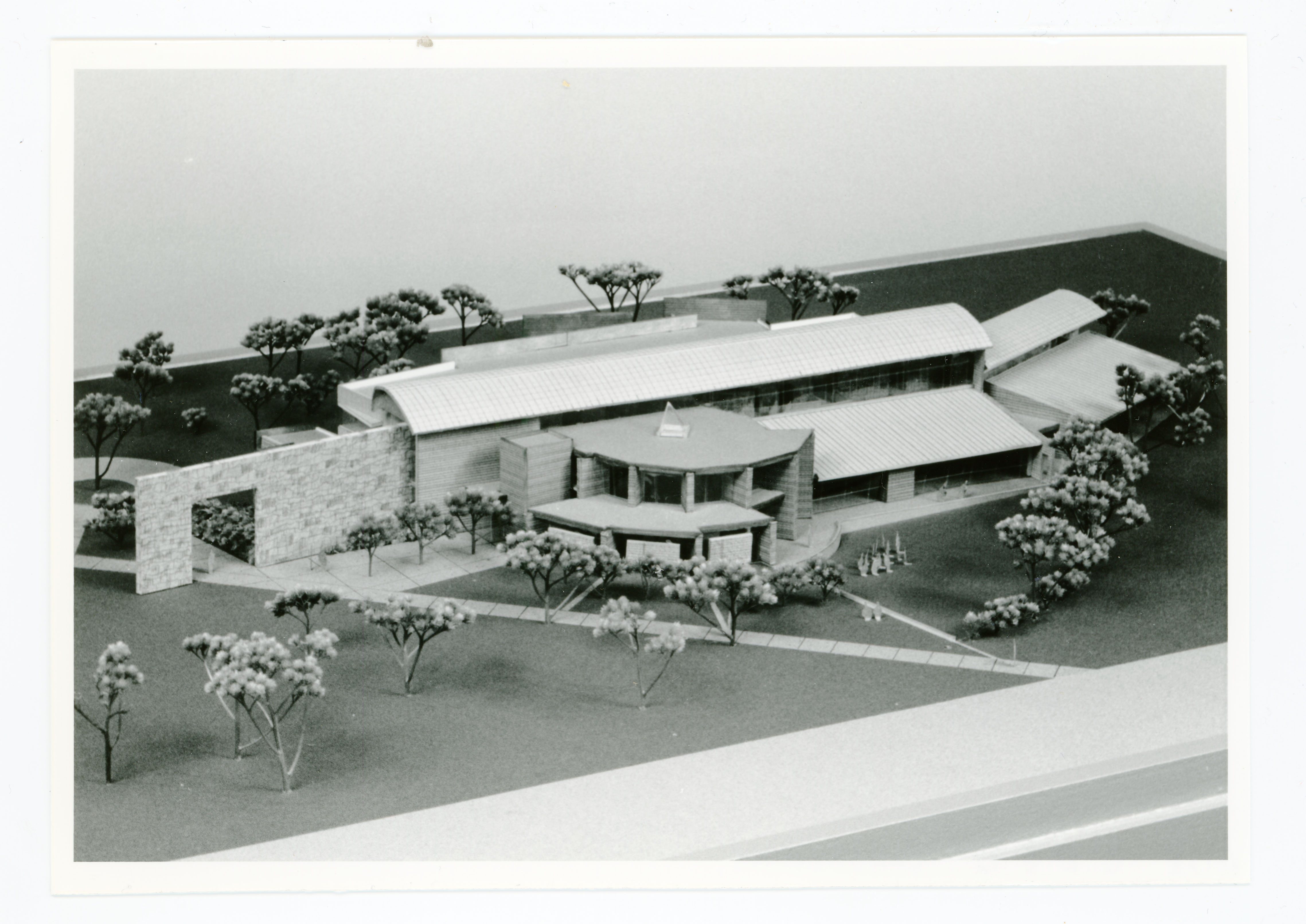
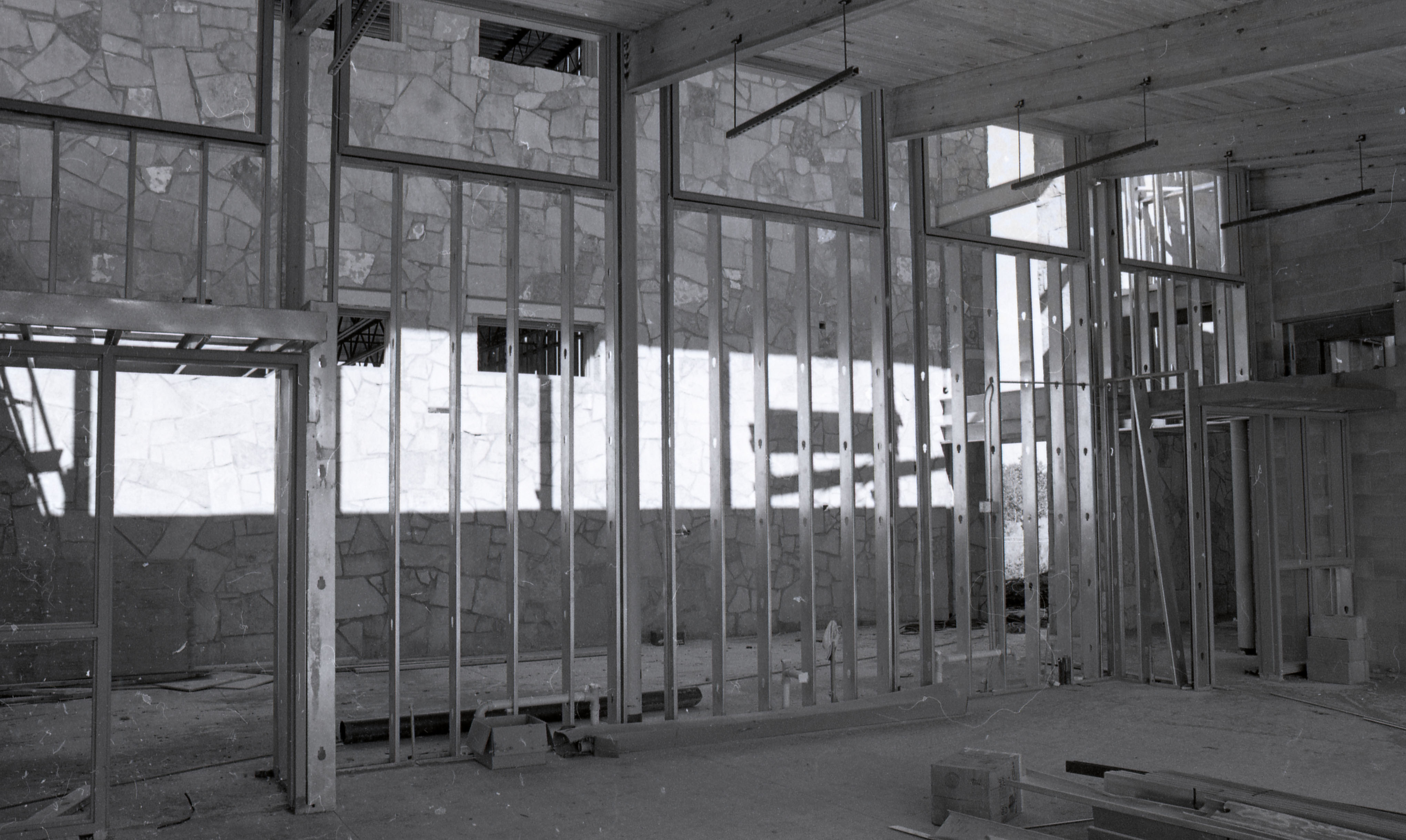
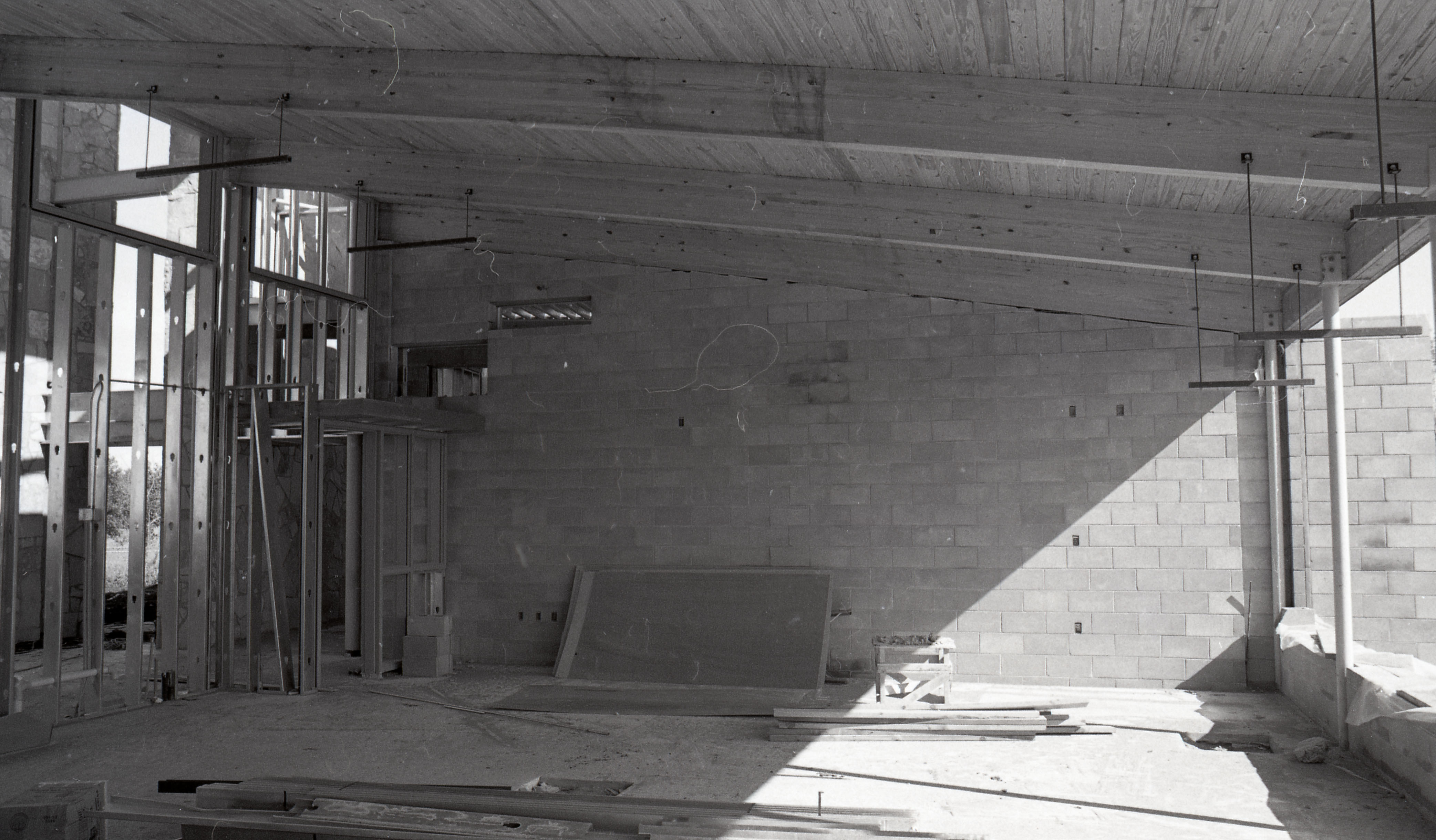
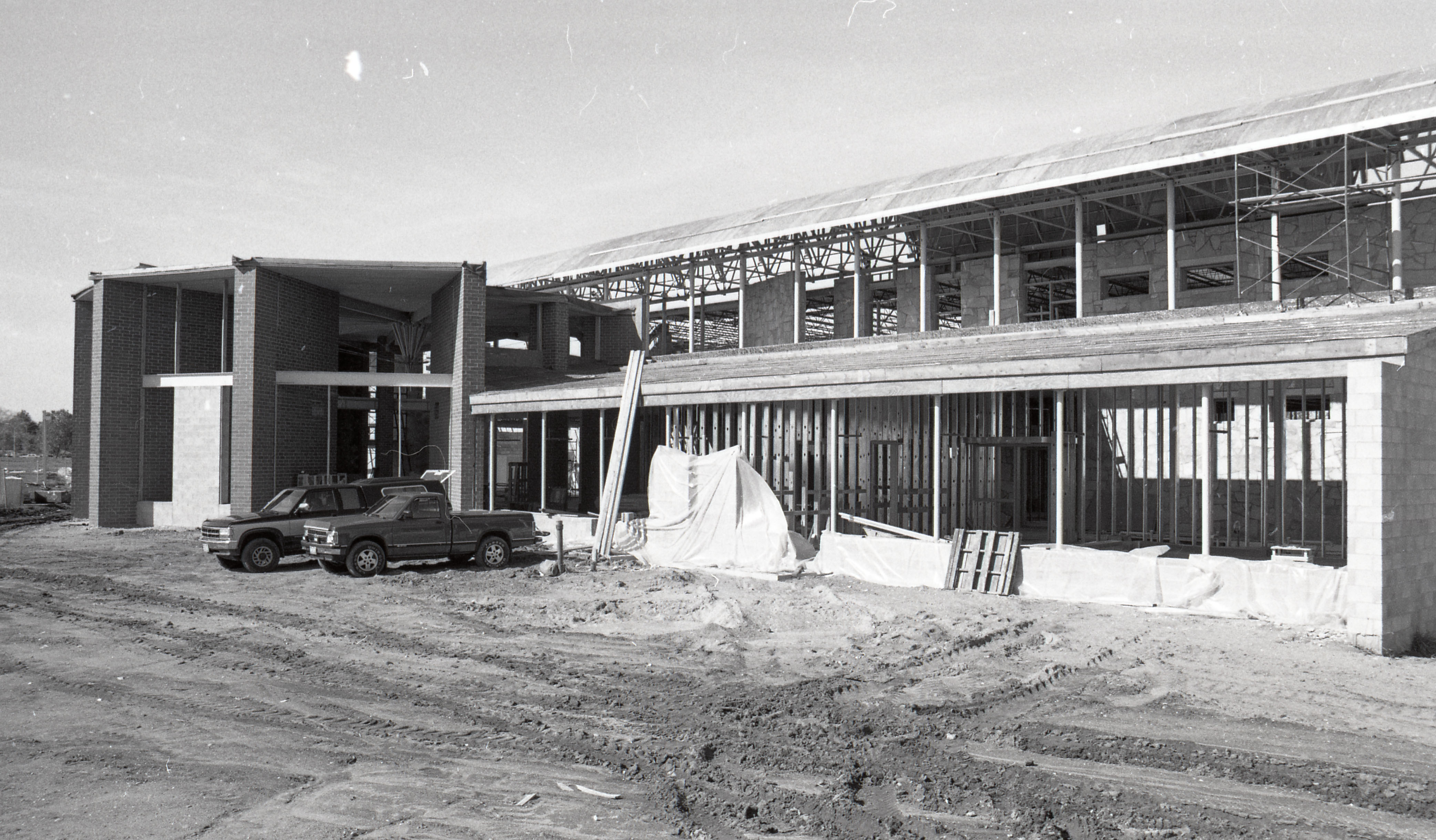
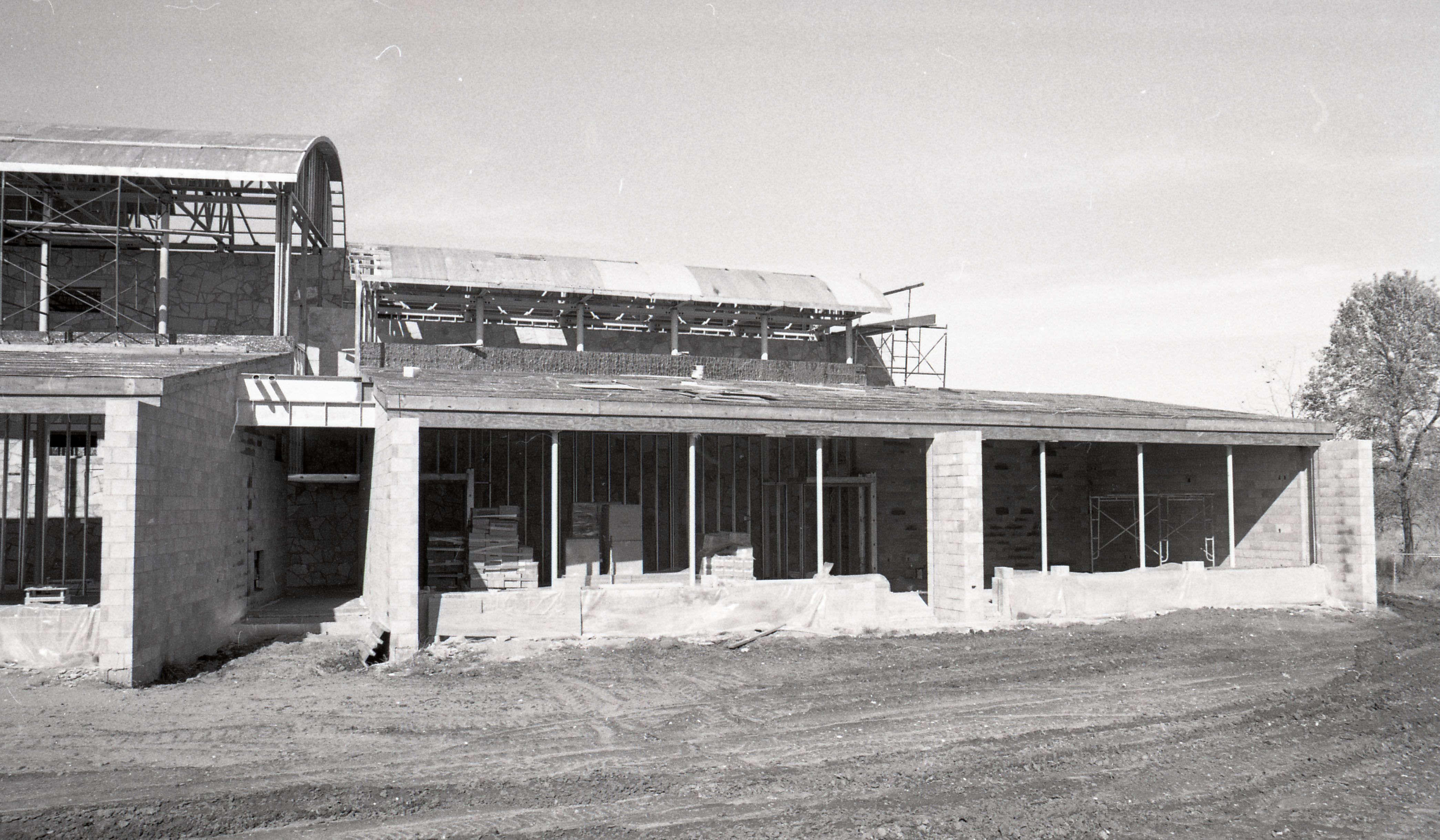
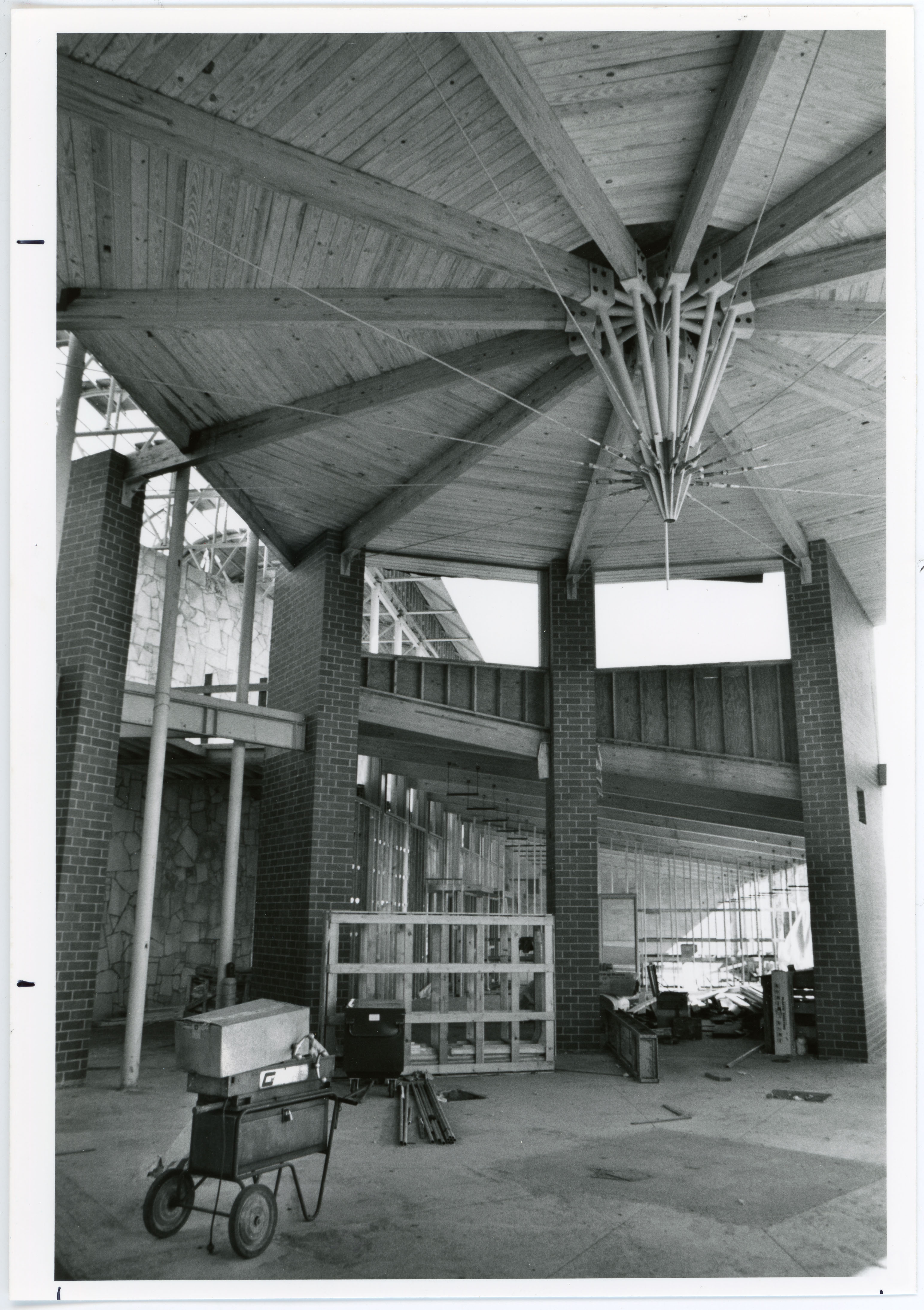
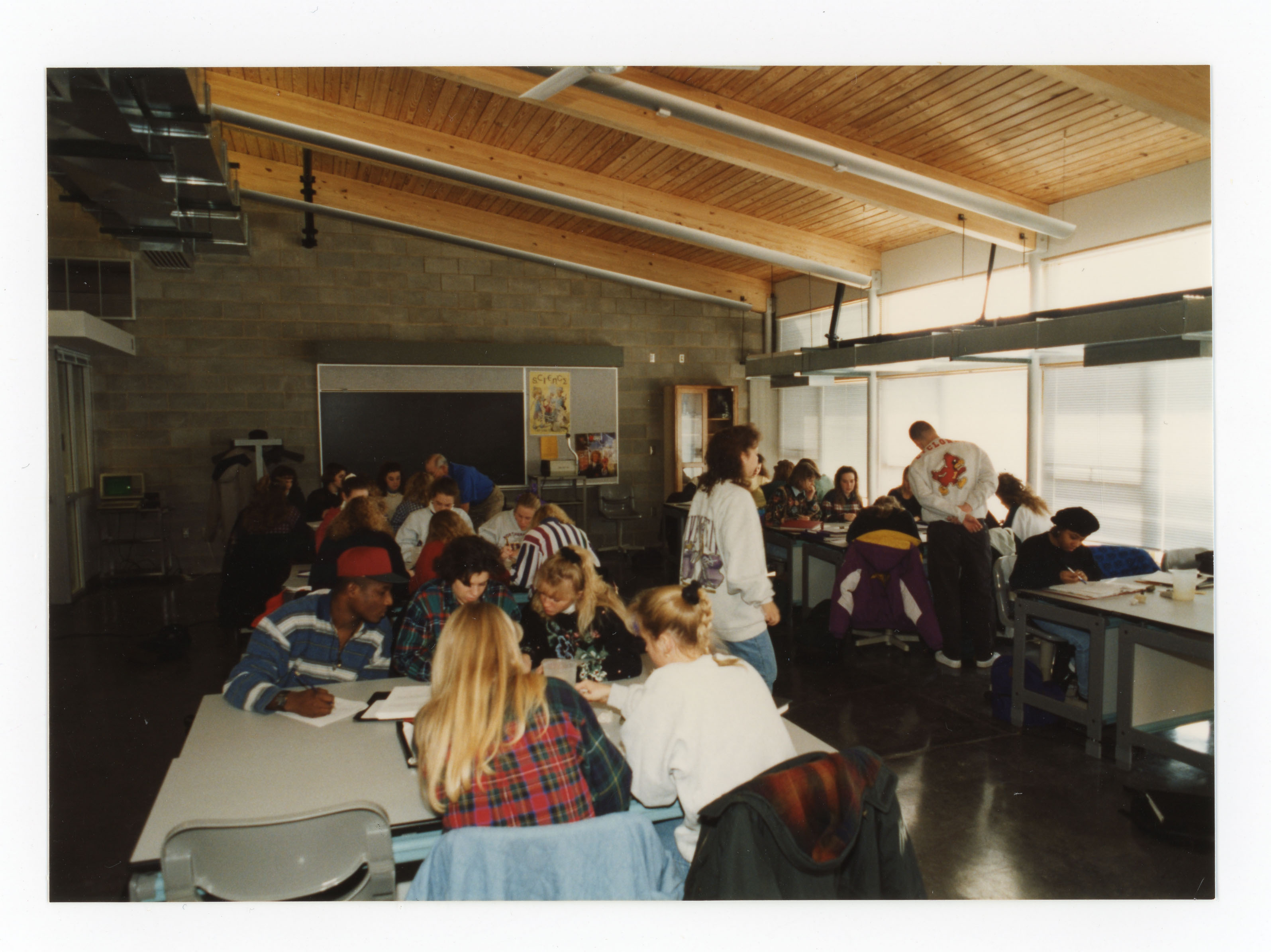
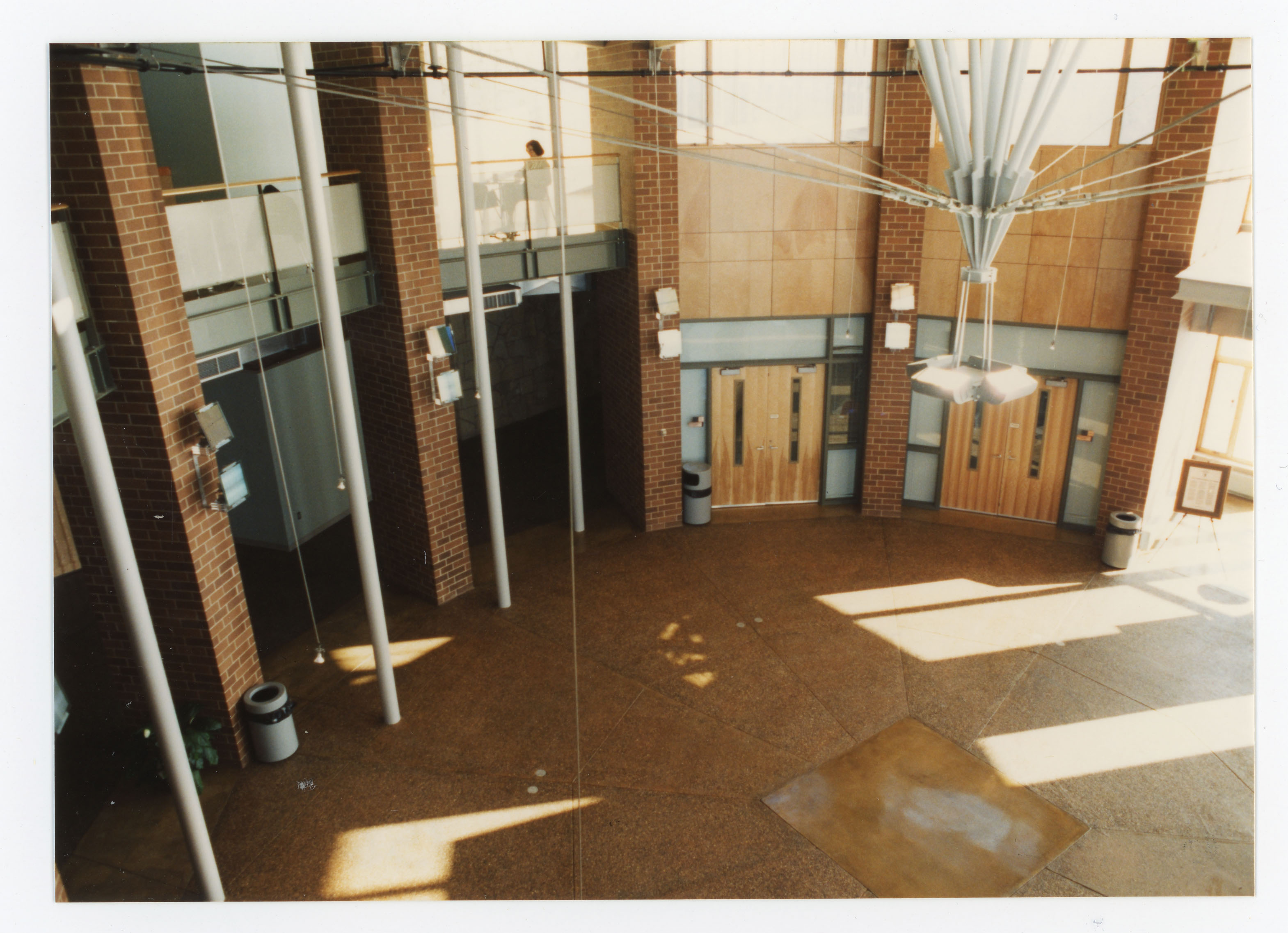
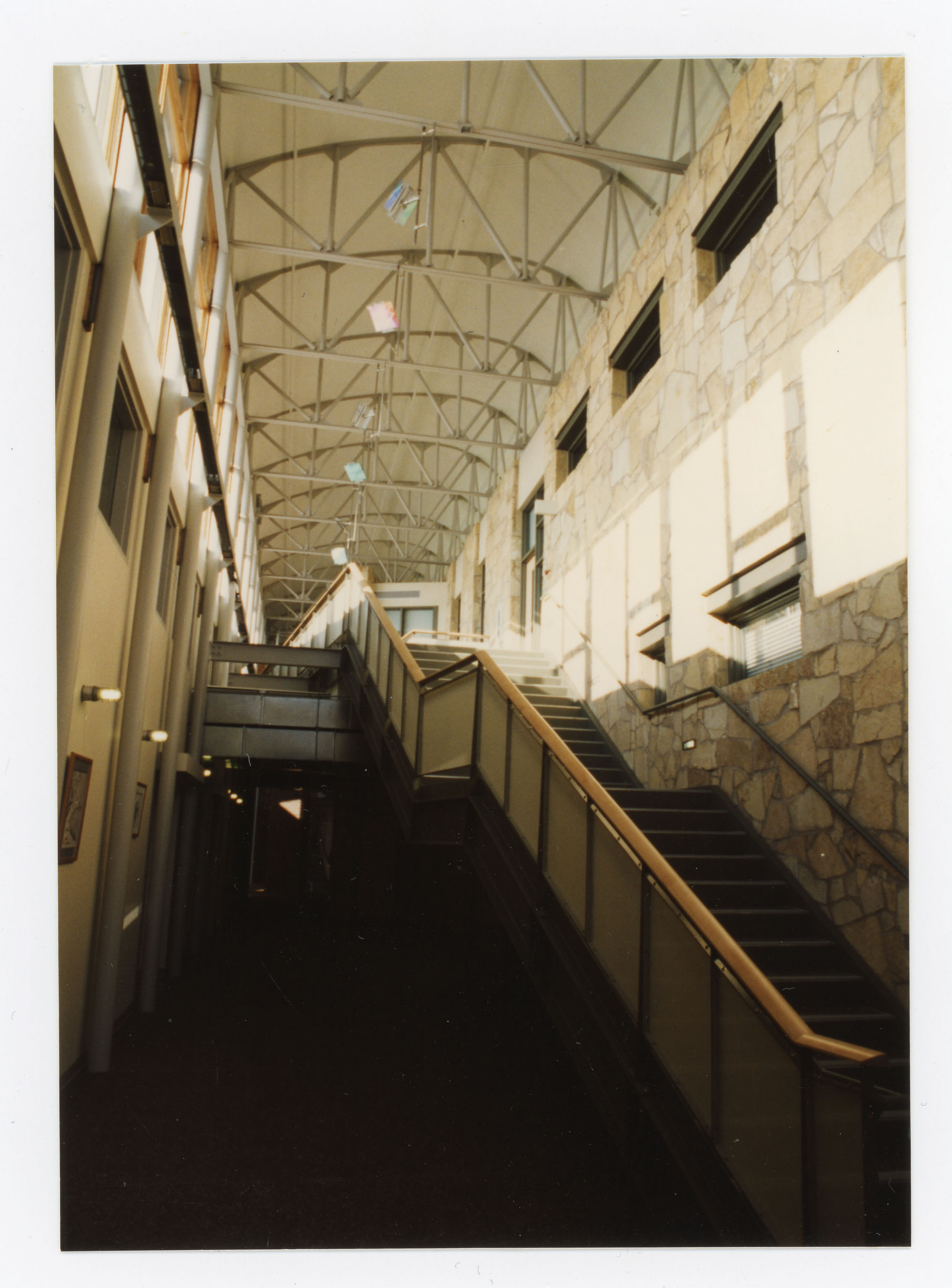
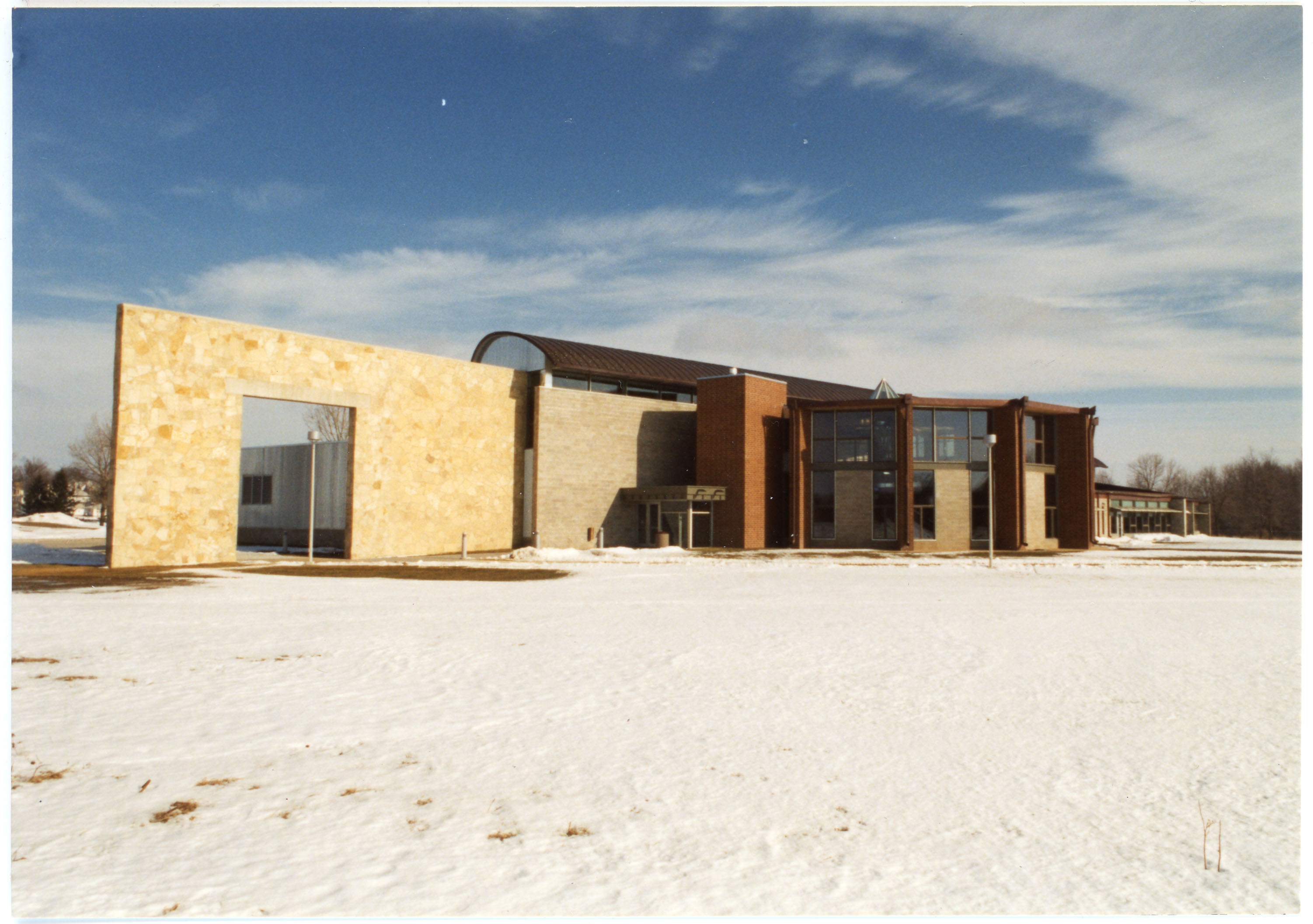
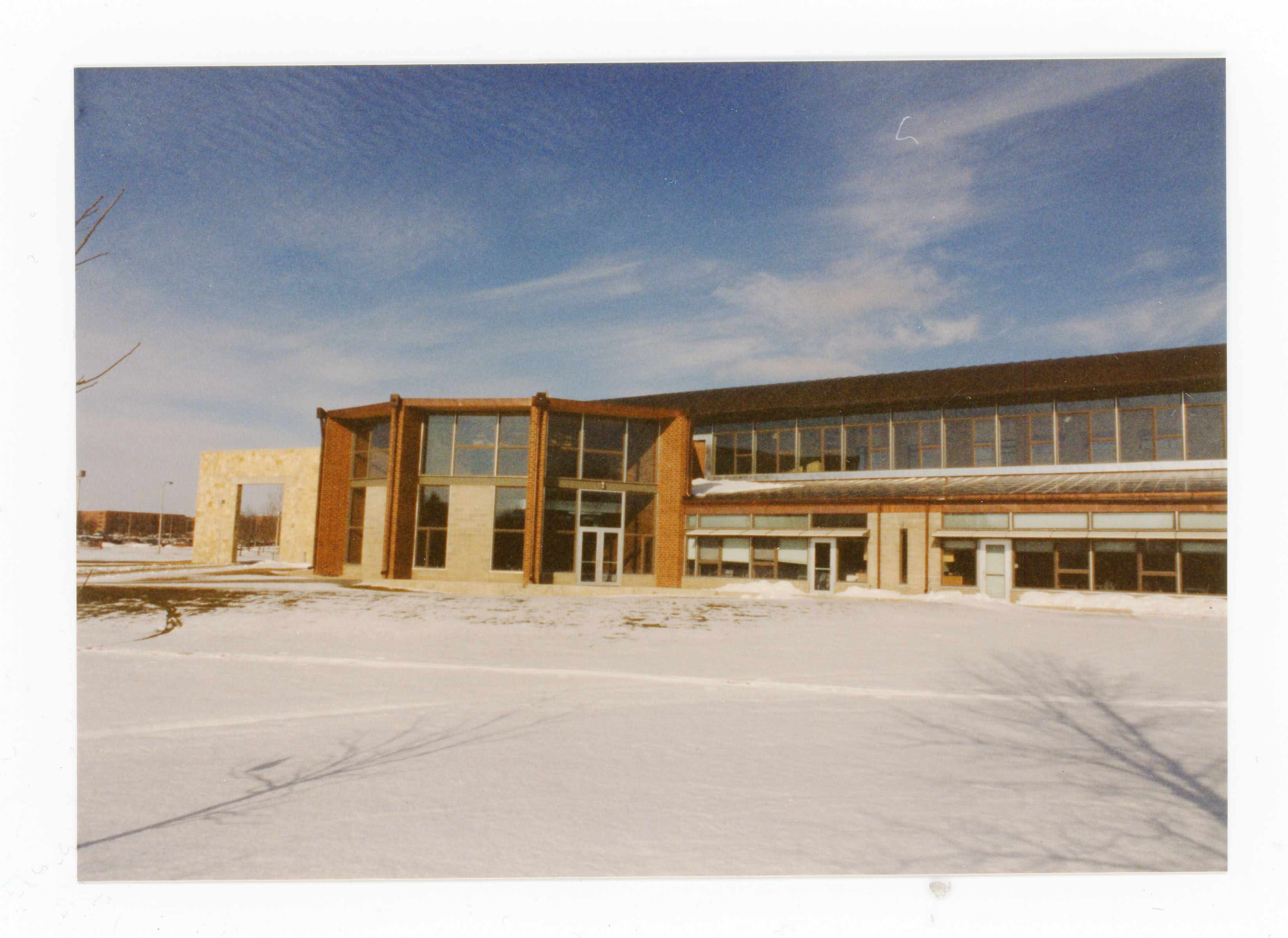
The building was designed to be environmentally friendly. Constructed with local and recycled materials, the CEEE has an open design to maximize natural sunlight. The thermal mass of the wall down the center of the structure conserves coolness and warmth, which helps to regulate the temperature of the building's interior. In addition, overhangs on its outer walls shade the building from the hot summer sun.
Campus planners intended this building to use only 30% of the energy typically consumed in comparable campus buildings. As such, it could serve as a model for future energy-efficient buildings. Activities centered in the building serve to heighten environmental awareness in both children and adults.
Since its beginning, the center has sponsored or served as the site for many activities, institutes, and educational opportunities relating to energy conservation and environmental education. In 1996, it sponsored a series of Earth Week activities including a discussion of livestock confinement facilities. Over the years, the center has helped sponsor competition among elementary students for the Iowa Energy Poster Contest. It also served as the site of the Advanced Technology and Environmental Education Center summer fellows institute.
In 1997, the center co-sponsored the first Iowa Electrathon race and continued partnering with that organization for many years. Also in 1997, the center was the site of a conference called "Conserving and Renewing Community: a Conference on Religion and Environment in the Upper Midwest." Wendell Berry, Wes Jackson, and Paul Gorman were featured speakers.
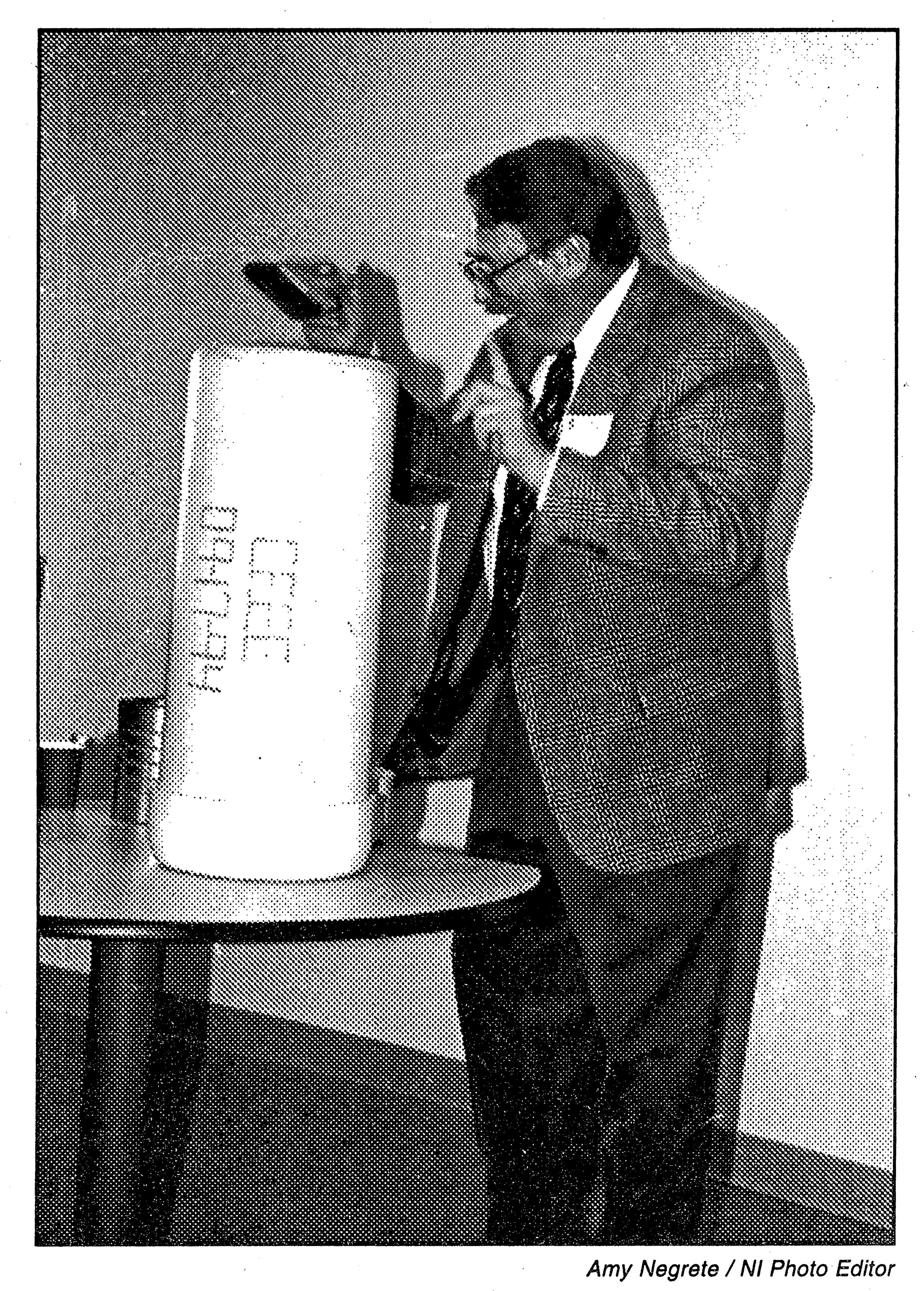
The center won a 1999 Energy Leadership Award from the Iowa Department of Natural Resources for a series of 11 energy-related projects. The next year, it signed an agreement with the Hartman Reserve Nature Center to assist in planning a new building on Reserve grounds.
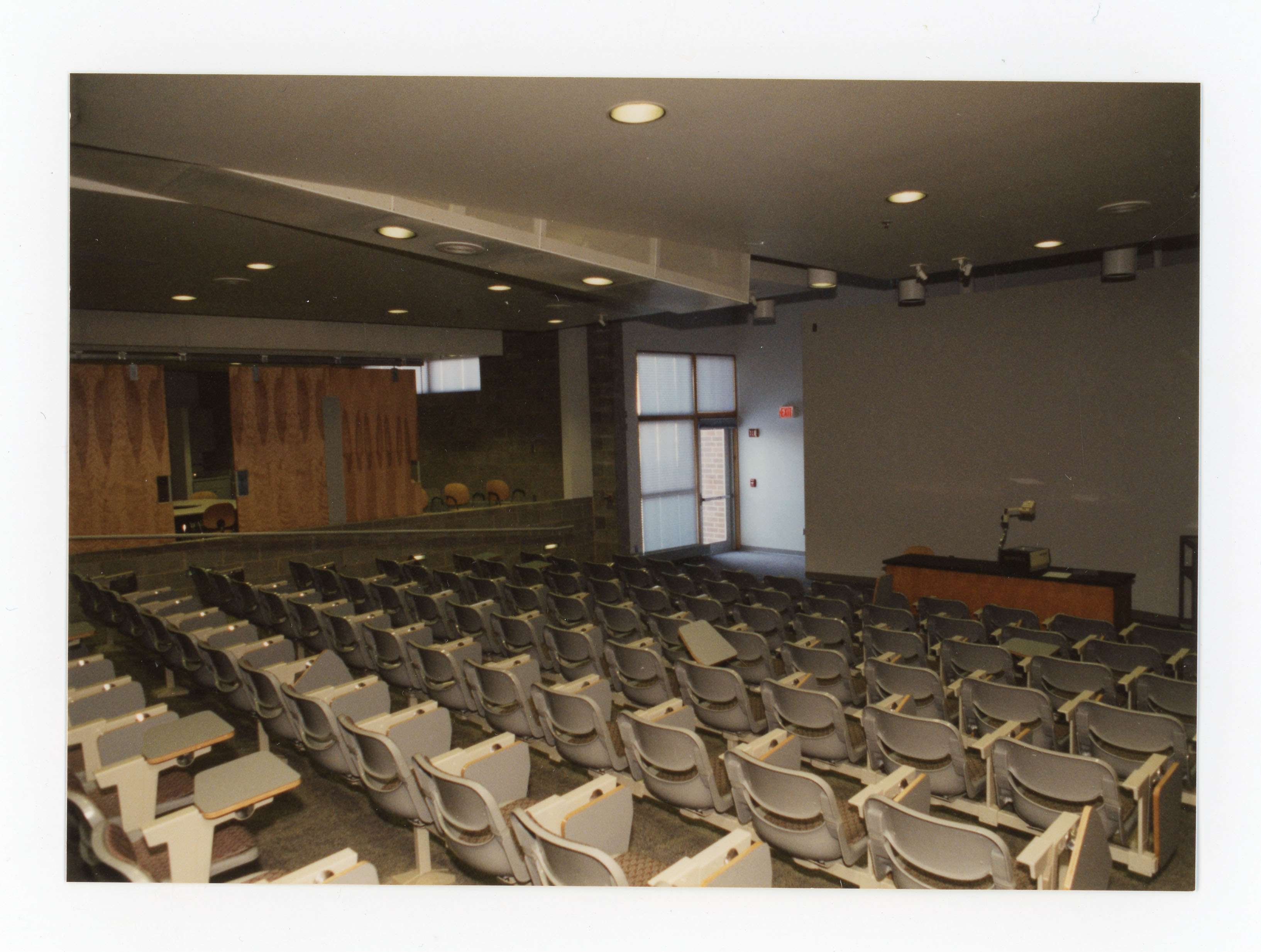
The CEEE contains classrooms; a resource center for energy, environmental, and science materials; and other offices and studios. Classes in science education and science general education are held in the building.
Originally compiled by Library Assistant Susan Witthoft; edited by University Archivist Gerald L. Peterson, July 1996; substantially revised by Gerald L. Peterson, with research assistance by Student Assistant Matt Burington and scanning by Library Assistant Gail Briddle, January-February 2003; updated January 28, 2015 (GP); photos and citations updated by Graduate Assistant Eliza Mussmann, May 3, 2022; content updated by Graduate Intern Marcea Seible, June 2025; updated by Library Assistant Hannah Bernhard, January 2026.