
Campbell Hall (1950)
As World War II came to a close, President Malcolm Price knew the postwar enrollment surge would bring a greater need for student housing at the Iowa State Teachers College. The first response was the construction of Sunset Village in 1946-1947. These military surplus metal-sided buildings were intended to provide temporary housing for about 144 returning veterans and their families. The second response resulted in an addition to the west end of Lawther Hall in 1948, which provided an additional 110 rooms for women.
In October 1948, the college purchased about 20 acres of land bounded roughly by 19th and 23rd Streets, and Merner Avenue and Hudson Road. The college initially planned to erect three buildings: a Student Health Center, a new laboratory school, and a new women's dormitory.
Changes in elementary teacher certification requirements made a new women's dormitory a necessity. In 1946, new elementary teachers needed only 12 weeks of college-level teacher training. However, by 1952, new elementary teachers needed a full two years of college training. Women made up the overwhelming majority of those who sought elementary education training. Since they would be studying on campus for longer periods of time, the college needed to provide more living quarters for them.
Postwar inflation delayed construction of the new women's dormitory. Bids were sought several times before the college found a plan it could afford and would meet its needs. In April 1950, Nemmers, Clark, and Spooner, an engineering and architectural company from Des Moines, provided plans for a $750,000 project that included accommodations for three hundred women.
The structure would be built on the corner of 23rd and Campus Streets. Its red brick and limestone style would be similar to Bartlett Hall and Lawther Hall, but it would have a flat roof. The building would include mostly double rooms with a few singles, two guest rooms, a library, three living rooms with fireplaces, and lower-level recreation and laundry facilities. Wildes Construction Company of Waterloo was the general contractor. Construction was delayed due to difficulty in obtaining structural steel for the project, but the administration still hoped the building would be ready for occupancy by fall 1951.
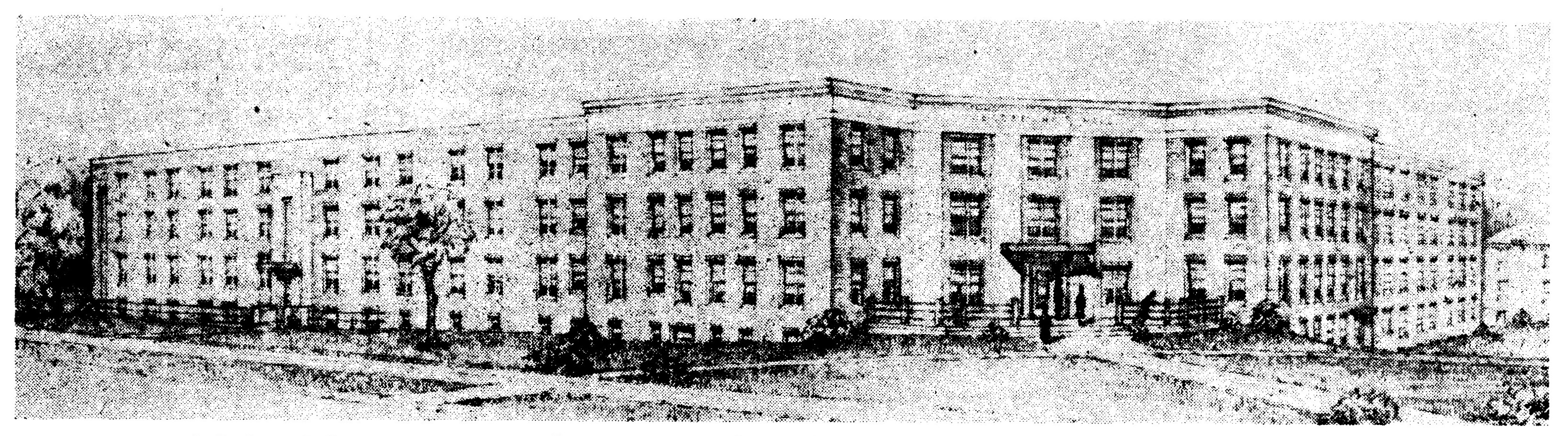
In March 1951, the Board of Education (now Board of Regents) approved the name North Hall for the new building. Administrators and students planned a smooth transition to North Hall. In April 1951, following the election of corridor chairmen, students who would reside in North Hall began to develop the governance structure for the new building. In that same month, the college accepted bids for furnishings.
As late as June 1951, plans seemed still to be on track. North Hall would be the home for junior and senior women. They would be housed two to a double room and one to a single room, a significant improvement over crowded Bartlett and Lawther Halls. The rooms would include built-in drawers and wardrobe style closets. The light birch furniture would consist of two desks, two straight-back chairs, one easy chair, and single beds provided with the capability to be converted to bunk beds. The floor would be asphalt tile. Each room would have a telephone, the first such arrangement on the ISTC campus. The phone would likely result in an additional $3 charge for each room. North Hall would have its own kitchen and dining room, where breakfast and lunch would be served cafeteria style, and dinner would be served family style, with residents taking turns as servers.
By August 1951, it was apparent North Hall would not be ready for fall occupancy. January 1952 seemed to be the earliest possibility for occupying even a portion of the building. The steam tunnel, which would bring utilities to the building, had not even been started. Work on this portion of the project would extend well into the fall.


Women who had been eagerly anticipating life in the new dormitory instead doubled up in Lawther Hall. However, they organized and governed themselves as if they were in their new dormitory. In essence, they became a dormitory within a dormitory. Dean of Women Sadie Campbell said, "Our North Hall organization is living and working intact in the east end of Lawther Hall." Students Elizabeth Clarke and Jean Hinds were selected as the first North Hall directors. These women organized a full program of teas, pajama parties, recreational activities, and Christmas celebrations in the fall term for those who would live in Campbell Hall.
Some students were not pleased with the construction of a new women's dormitory. In November 1951, Loren Hannan wrote a letter to the College Eye in which he maintained men had more serious housing needs than women. Hannan was a resident of Stadium Hall, makeshift quarters for men which had been patched together in the campus football stadium, O. R. Latham Stadium. Five men lived in each of Stadium Hall's twenty-four 15 by 24 foot rooms. Hannan complained conditions were noisy and not at all conducive to study. He believed women should continue to be doubled up in Lawther and Bartlett Halls, and the new dormitory should be designated for men.
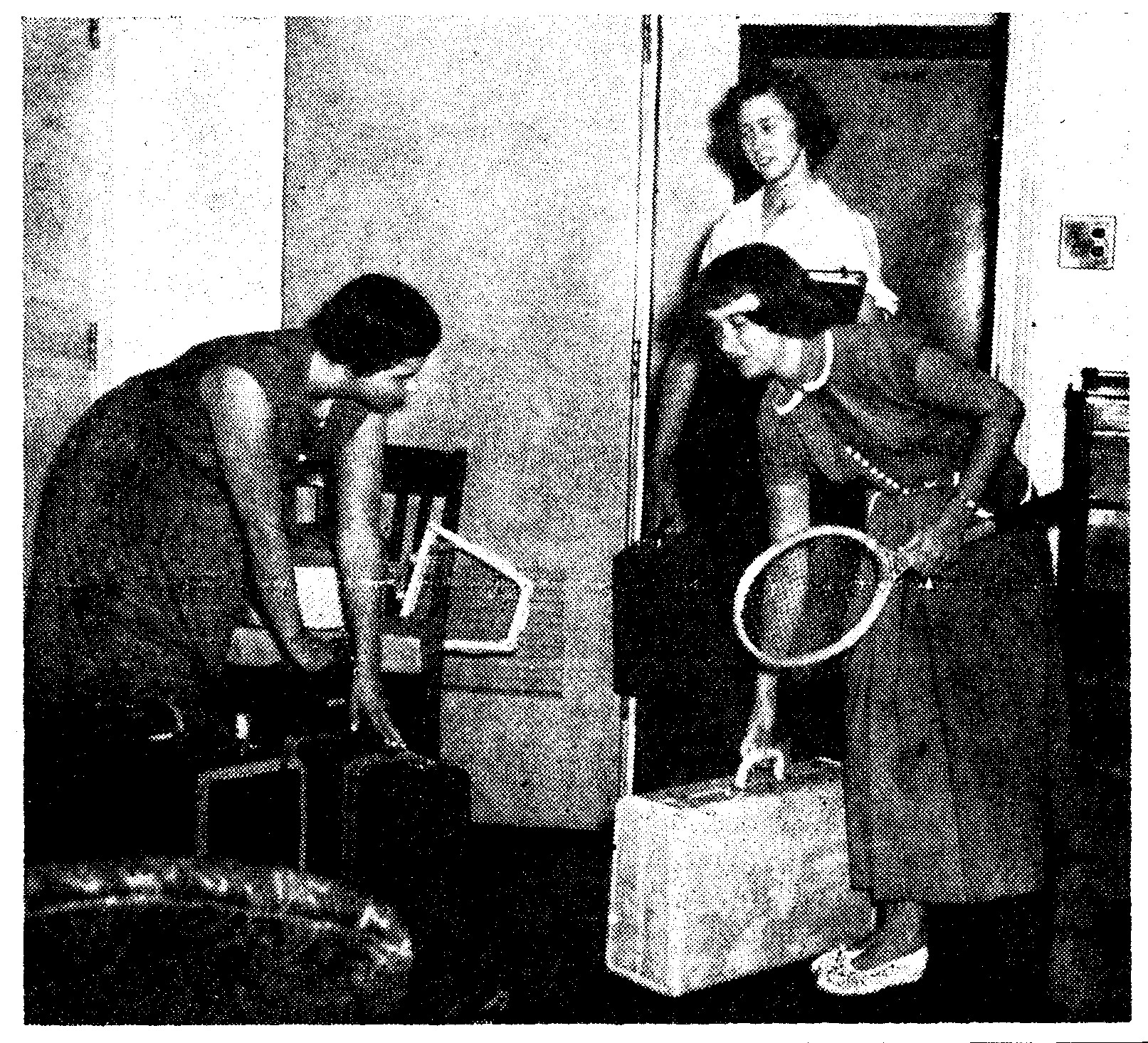
Construction progressed slowly. The North Hall women of 1951-1952 stayed in Lawther Hall for the whole school year. North Hall would not be ready for occupancy until fall 1952, a full year after the anticipated completion date. On May 23, 1952, the Board of Education passed a resolution changing the name of North Hall to Campbell Hall in honor of Sadie B. Campbell, who planned to retire on July 1, 1952, after 23 years as Dean of Women.
Campbell was instrumental in developing and expanding the dormitory system and student government so they better served the welfare of students. As Campbell herself said about the residence, "North Hall represents the realization of a dream in which the women of this campus will have the most unusual opportunities for progressive social growth as they continue their education from the freshman through the senior year."
In fall 1952, women finally moved into Campbell Hall, which ultimately cost about $1 million. They enjoyed their new home and continued to develop a full round of educational, social, and recreational activities, including a regular program of hosting monthly dinners for selected faculty members. After retiring and moving to Denver, Colorado, Campbell remained involved in the dormitory’s planning process. In December 1954, she returned to campus for the formal dedication, which provided her a first glimpse of the dormitory with students in residence. Campbell had a busy visit with many teas, receptions, brunches, and visits with old friends. During the dedication ceremony, she accepted the portrait of herself which would hang in Campbell Hall.


College enrollment continued to grow. In March 1962, the Board of Regents authorized negotiations with an architect for an addition to Campbell Hall. Architect Robert DeVoe of Cedar Falls began work in June 1962. In May 1963, the Regents accepted a bid of $950,000 for the addition, which could accommodate another 200 women with additional dining facilities. Jens Oleson and Sons of Waterloo was the general contractor for the project. Authorities hoped the dining facilities would be ready by fall 1963 and the additional dormitory space would be completed for fall 1964. Both plans went according to schedule. The dining facilities were complete for the fall 1963 term; some Lawther Hall women were assigned to eat at Campbell Hall, too. The new addition housed an additional 355 women. To mark the occasion, Campbell Hall residents held an open house on October 11, 1964.
In 1966, plans were announced for another new dormitory, which would ultimately result in the Towers Complex. Initial plans called for a single high rise dormitory to be built just north of Campbell Hall with a connection to the Campbell Hall dining facilities.
In March 1966, the Regents approved a $2.88 million project which would include a 600 bed dormitory with shared dining facilities at Campbell Hall. By October, the Regents were planning a two or three high rise dorm complex with its own dining and recreational facilities, and the proposed connection with Campbell Hall was dropped.
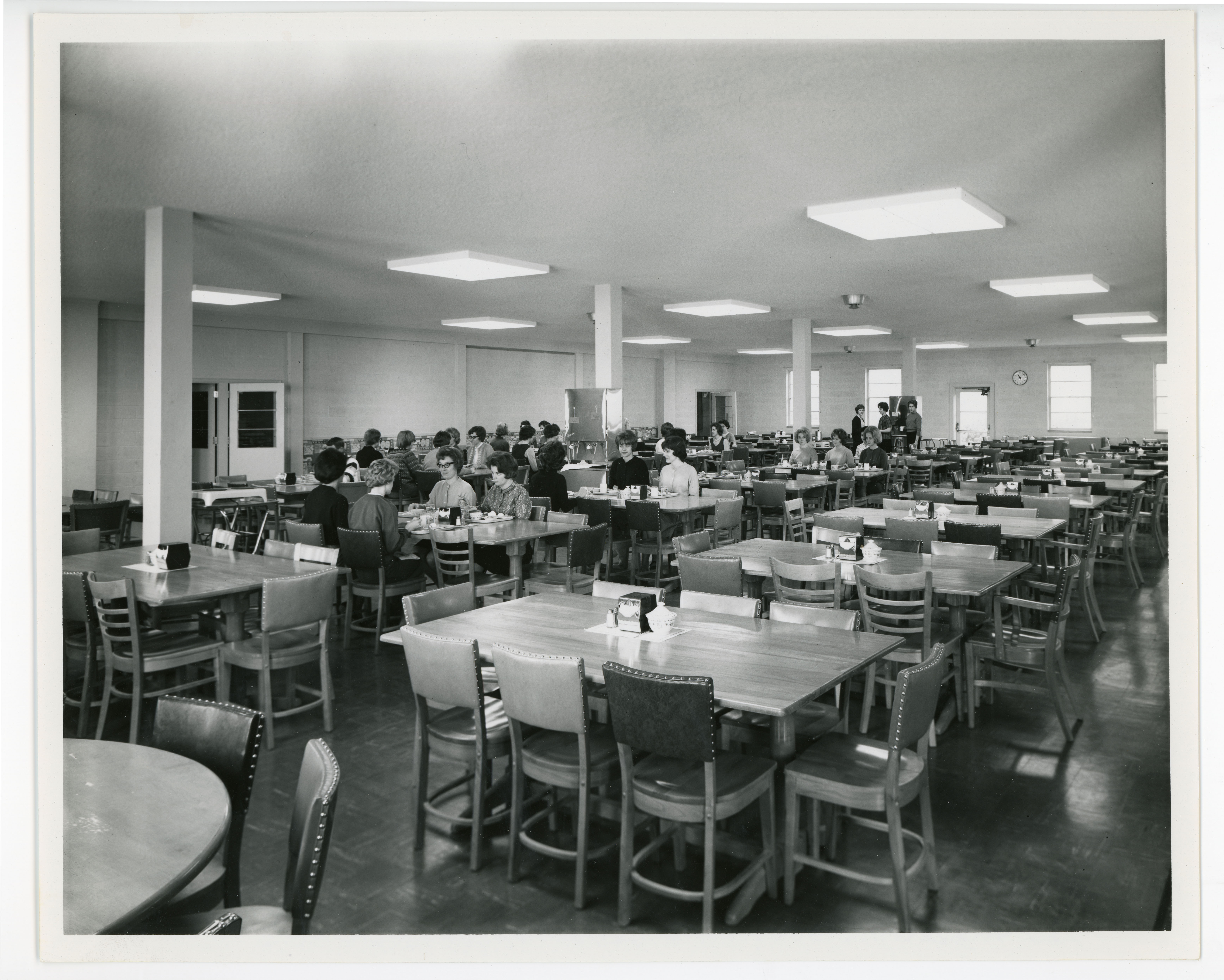
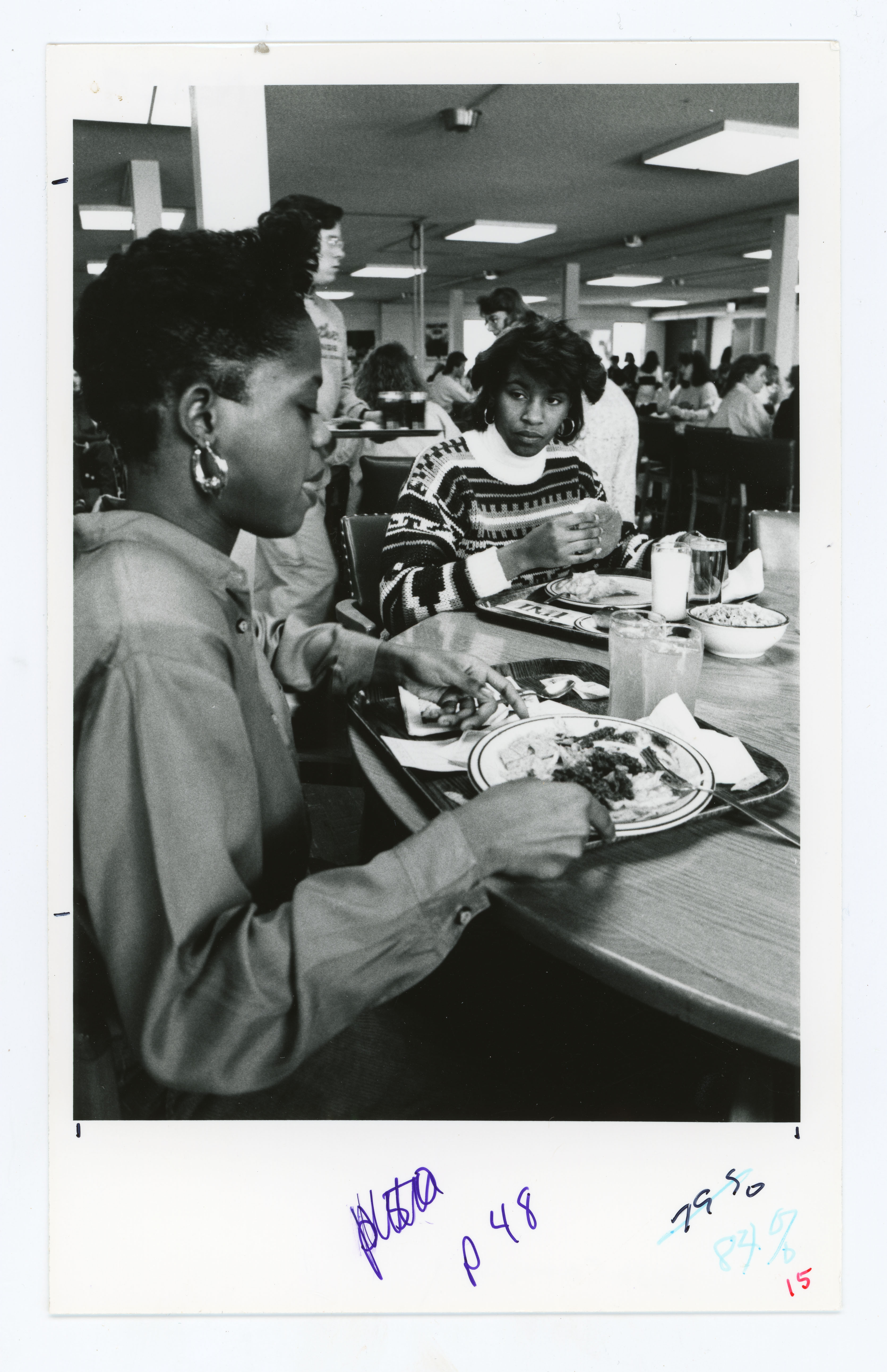
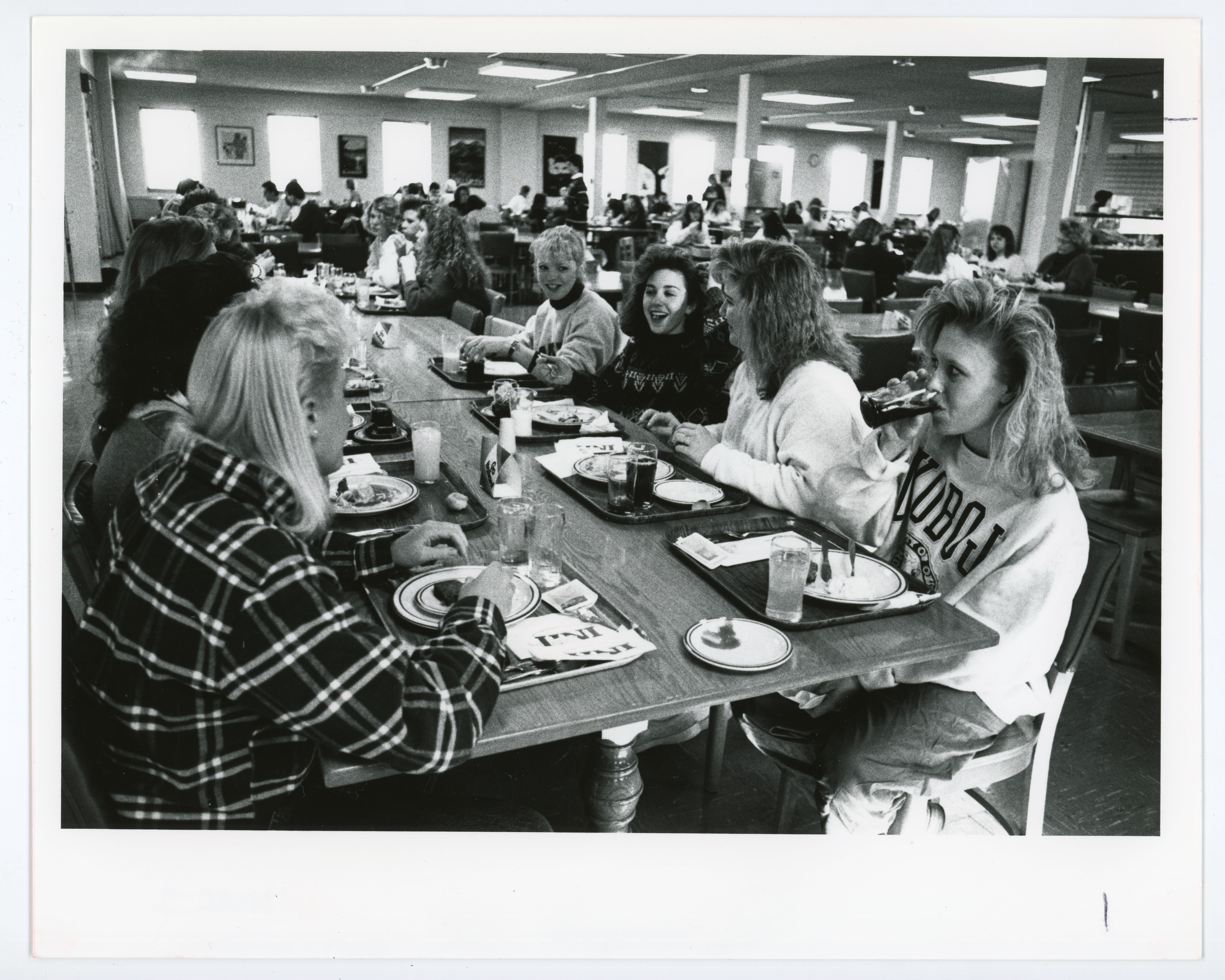
In the 1970s, Campbell Hall struggled with the issue of 24-hour visitation. Despite several hall votes in favor of the liberal visitation policy, 24-hour visitation was not approved until 1979. Issues also arose regarding the Campbell Hall dining center, a popular place with residents known for its homey atmosphere and high-quality food. Food service administrators proposed closing the dining center on weekends, due to the relatively small number of students who remained. Residents were unhappy at the prospect of leaving the building and walking to other dining centers. By 1999, there was discussion about closing the Campbell Hall dining center completely. Despite protests by some students, the dining center did close in fall 2000. It was later converted into the campus bakery, previously located in Redeker Center.
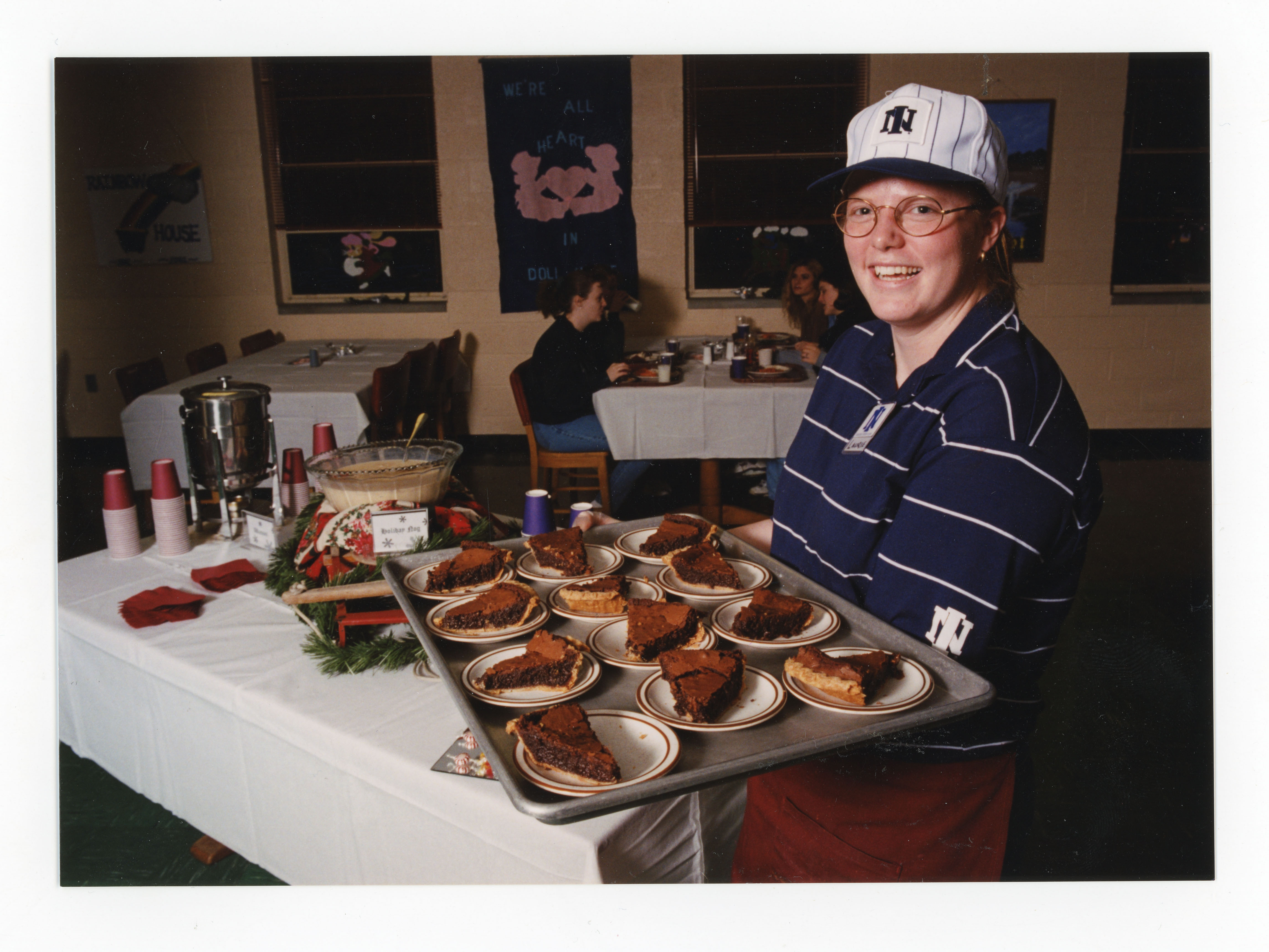
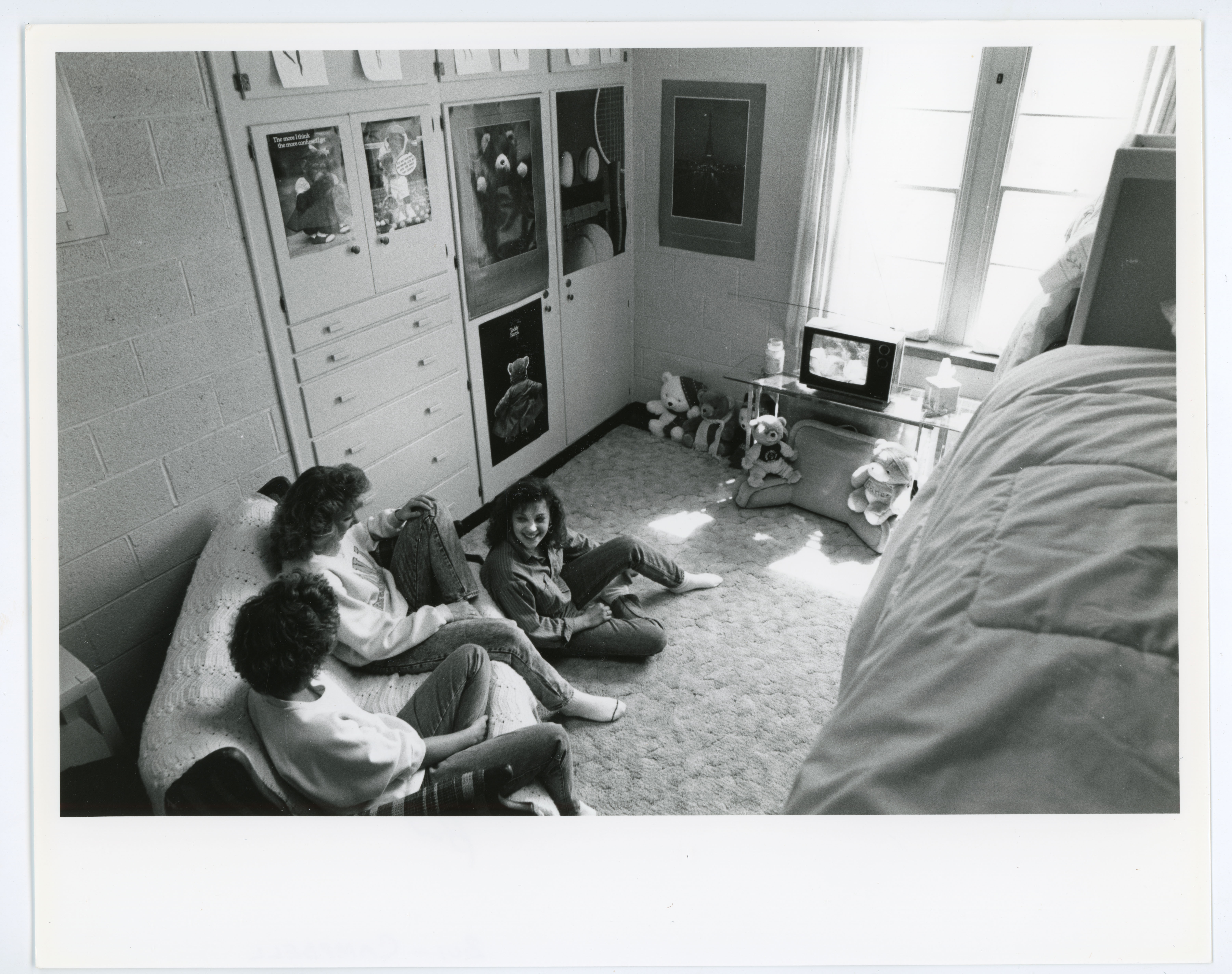
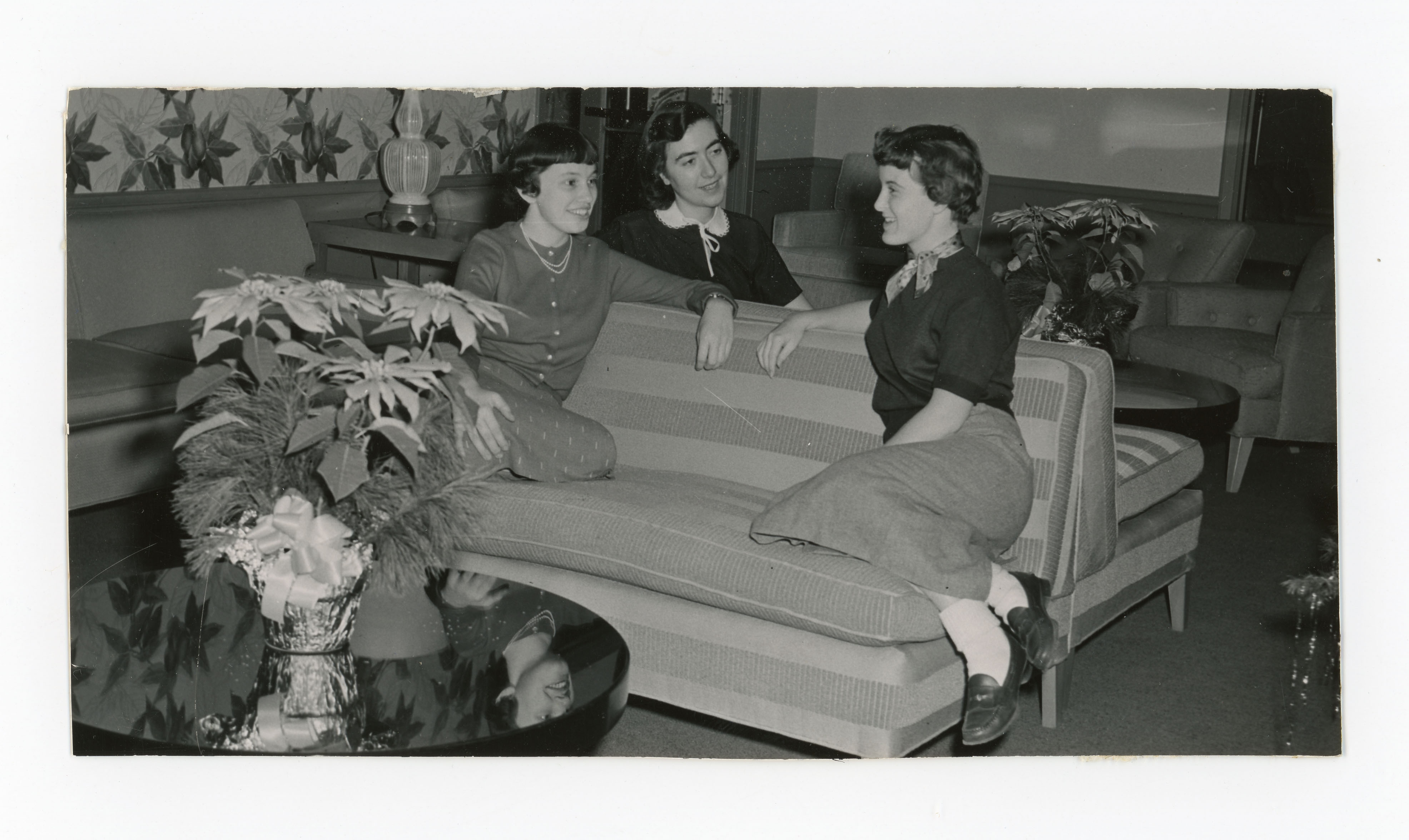
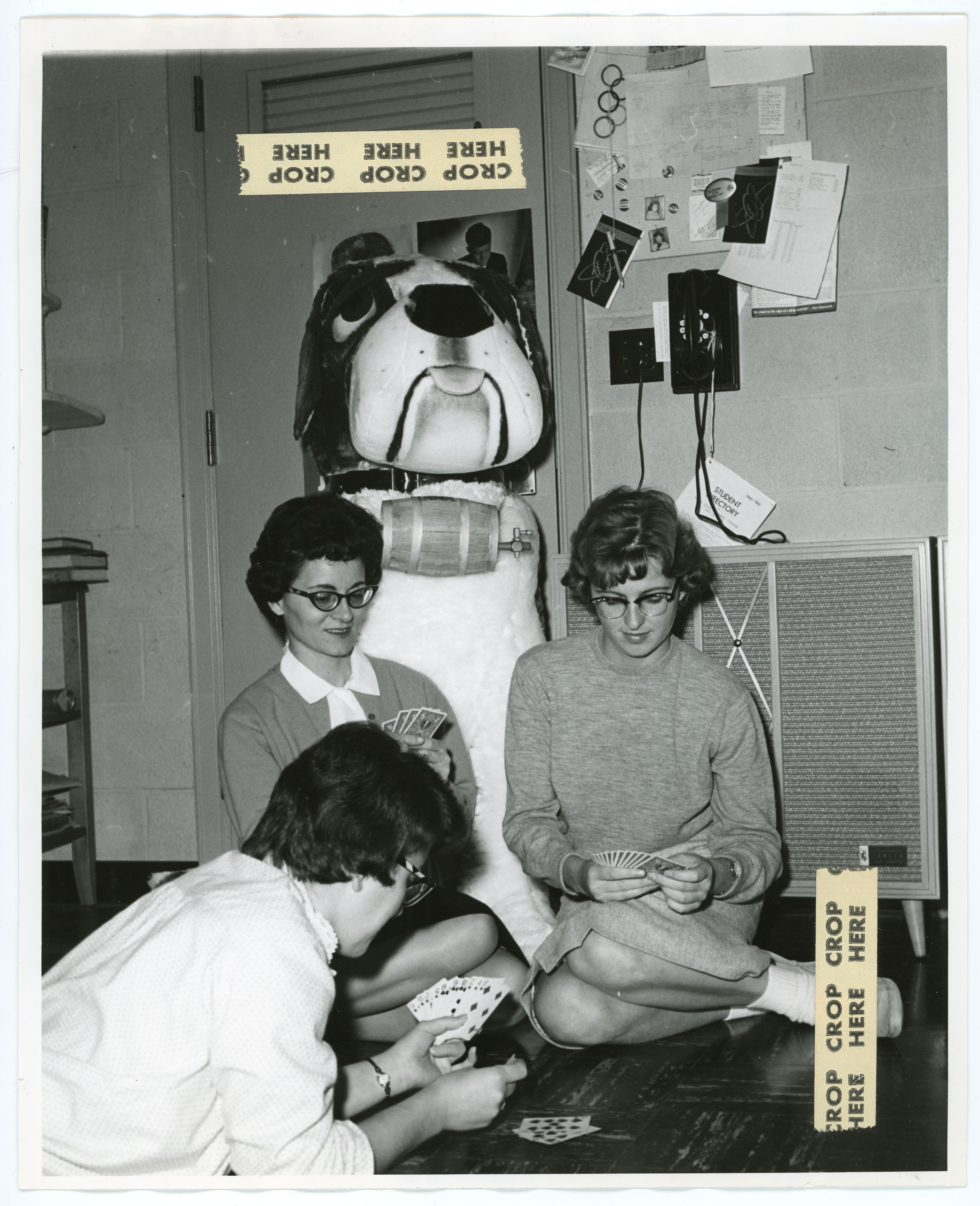
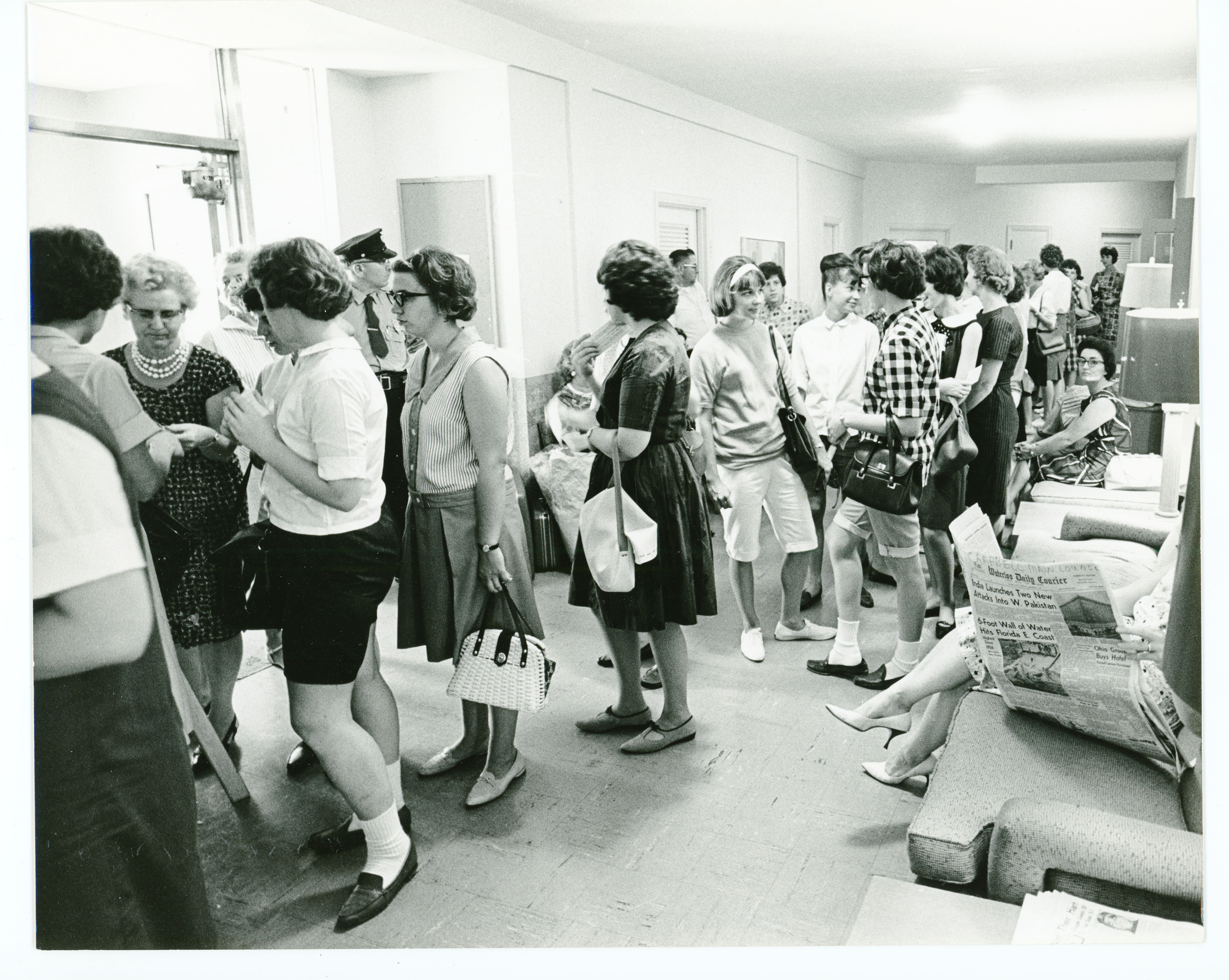

In fall 2000, Campbell Hall was reorganized as a co-ed dormitory with fourteen houses, eight for women and six for men. Hall coordinator Jeanne Keyser reported, "Things are going very well. The houses are starting to pair up and plan events together."
During 2020-2021, when the Covid-19 pandemic was at its height, Campbell Hall became the designated dormitory for students who were in quarantine or needed to be isolated. Once the danger passed, the building stood empty for nearly three years. Finally, in 2025, the Board of Regents voted to raze the aging structure. At nearly 70 years old, it needed several costly repairs and renovations to bring it up to compliance with modern building codes. Campbell Hall did not have a fire suppression system or a passenger elevator, and it did not meet all ADA requirements. Ultimately, razing the dormitory meant the end of an era, but it saved the university millions of dollars.


Compiled by Library Assistant Susan Witthoft and edited by University Archivist Gerald L. Peterson, July 1996; substantially revised by Gerald L. Peterson, with scanning by Library Assistant Gail Briddle, September 2002; updated January 28, 2015 (GP); modified January 24, 2025 by Graduate Intern Marcea Seible; updated by Library Assistant Hannah Bernhard, January 2026.